5 Advanced Preaching Strategies for Today’s Digital Age

August 29, 2024 00:20:18
5 Advanced Preaching Strategies for Today’s Digital Age
REACHRIGHT Podcast
5 Advanced Preaching Strategies for Today’s Digital Age

Aug 29 2024 | 00:20:18

/

Show Notes

Preaching in the modern digital age has undergone a significant transformation, merging traditional methods with innovative technologies to reach broader audiences. As the world becomes increasingly interconnected, pastors are adapting to digital platforms like social media, podcasts, and live-streaming services to spread their messages.

This shift not only expands their reach beyond physical congregations but also allows for more interactive and engaging experiences. Through digital media, preachers can connect with diverse demographics, offering spiritual guidance and fostering community in new ways. Online platforms enable real-time interaction, allowing followers to participate in discussions, ask questions, and seek personal advice.

But just because it’s opened the door to a multitude of new possibilities, it also comes with its challenges. Not many preachers or other leaders are technologically savvy, and a lot has changed over the past few decades.

In this podcast, we want to cover everything you need to know about preaching in the modern age. We’ll also go over 5 advanced preaching strategies that will be effective in today’s world.

Ready to learn more? Let’s jump in.

Estimated reading time: 11 minutes
Preaching in the Modern Age

Preaching in the Modern Age

Before we get into our 5 strategies, let’s cover everything you need to know about preaching. We’ll go over sermon history over the past few decades, what preaching in the digital age looks like, and why it’s important to adapt to change.

Preaching: An Evolution

Over the past few decades, preaching has experienced a remarkable transformation, adapting to societal changes and new technologies. Traditionally, sermons were delivered in a church setting, where pastors spoke to congregations gathered in pews. These sermons focused on interpreting biblical text and encouraging people to live according to the teachings of God. However, as the world has evolved, so has the way people receive and engage with spiritual messages.

In the past, preachers relied heavily on the same way of delivering sermons, often using written notes or memorized speeches. The introduction of audiovisual technology in the late 20th century marked a significant shift, allowing preachers to use microphones, projectors, and even recorded music to enhance their messages. The role of the church planter also became more prominent, as new churches were established to cater to growing populations and diverse communities.

The influence of the Holy Spirit remains a central element in preaching, guiding preachers as they deliver their messages. However, the methods have expanded to include more dynamic and interactive approaches that resonate with modern audiences.

Preaching in the Digital Age

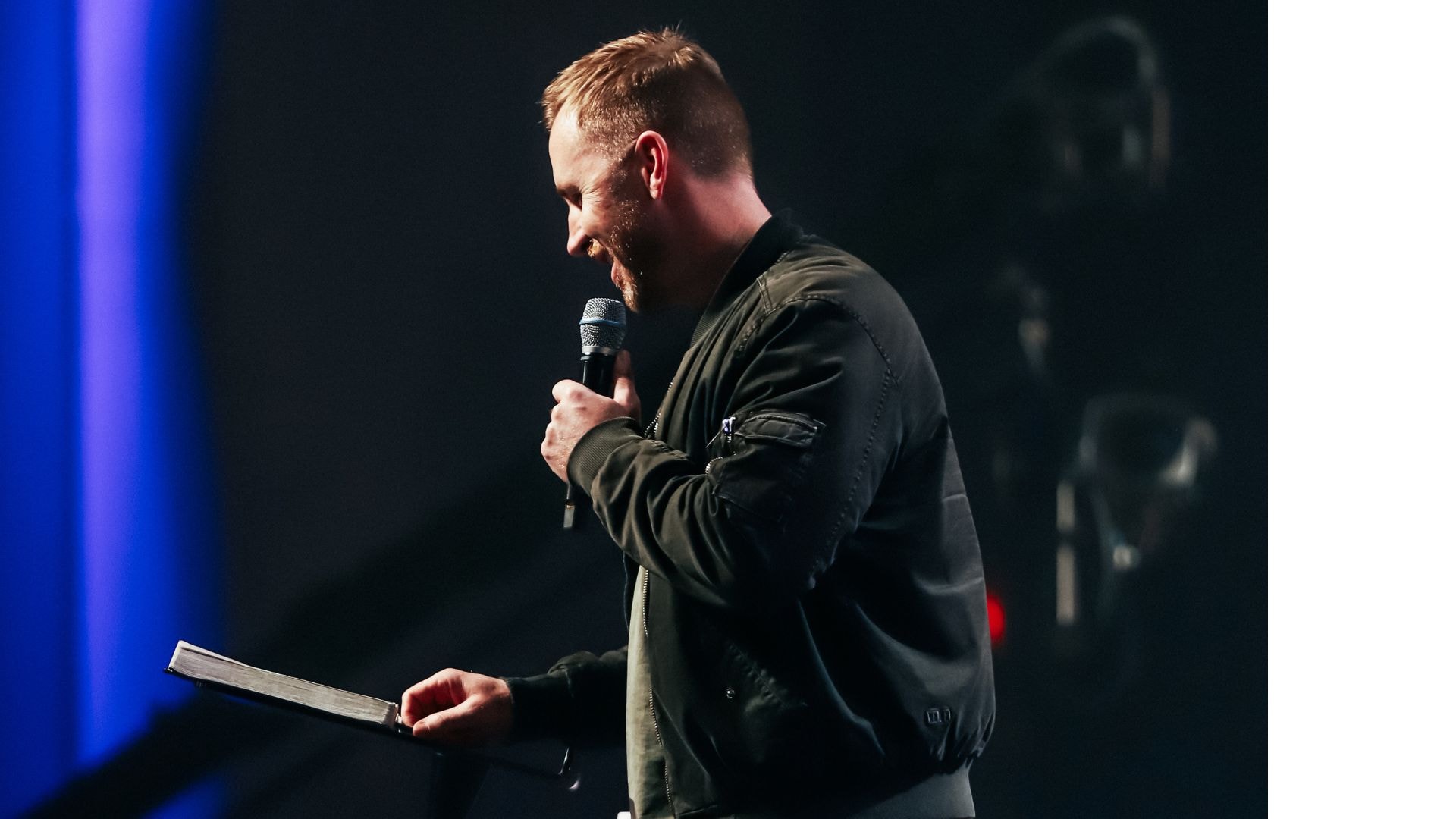
Preaching in the digital age looks very different from traditional sermons. Today, many preachers use digital platforms like social media, YouTube, and podcasts to reach a large portion of their audience. This shift allows sermons to extend beyond the walls of the church and into the homes and devices of people worldwide.

Live streaming services enable preachers to connect with viewers in real-time, creating a virtual congregation that can interact with the sermon through comments and discussions. This new approach also allows for the incorporation of multimedia elements such as videos, graphics, and music, making sermons more engaging and accessible.

Social media platforms offer preachers a space to share bite-sized messages, inspirational quotes, and daily reflections, reaching individuals who may not attend church regularly. Podcasts provide a convenient way for people to listen to sermons on the go, allowing them to integrate spiritual guidance into their daily routines.

The digital age has also made it easier for church planters to establish new congregations and connect with like-minded individuals worldwide. By utilizing online tools, they can gather support, share resources, and collaborate with other church leaders to spread their message effectively.

Adapting to Change

Adapting to change is crucial for preaching in the modern world. As society and technology evolve, so do the needs and expectations of congregations. By embracing new methods and platforms, preachers can ensure that their messages remain relevant and impactful.

A large portion of the population now relies on digital communication for information and connection. By integrating technology into their preaching, pastors can reach a broader audience, including younger generations who are more accustomed to consuming content online. This approach also allows for greater flexibility, enabling people to access sermons at their convenience and pace.

Moreover, adapting to change allows preachers to address contemporary issues and challenges that resonate with their audiences. By staying current with societal trends and concerns, they can offer guidance and support that is both timely and meaningful.

According to Barna, millennials are now attending church more than ever, and even more than Gen X and Boomers.
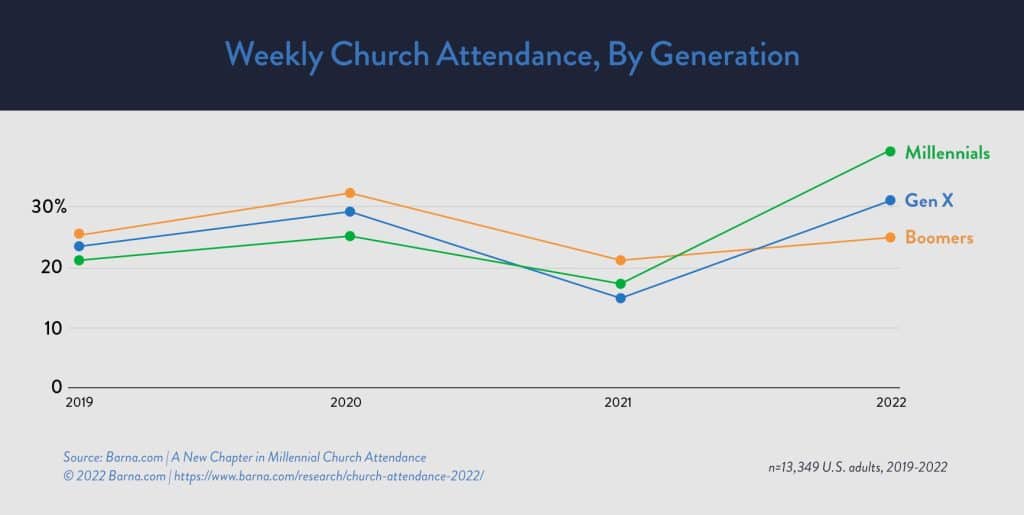
Source: Barna

With younger and younger people becoming common in church, it’s important for our methods to move with the times.

Ultimately, the goal of preaching remains the same: to inspire, uplift, and guide individuals on their spiritual journeys. By evolving with the times, preachers can continue to fulfill this mission, ensuring that their sermons remain a vital source of comfort and wisdom for all who seek it.

Top 5 Advanced Strategies for Preaching

Top 5 Advanced Strategies for Preaching

And that’s everything you need to know! Now, let’s jump into our list of the top 5 advanced strategies for preaching in the modern day. Feel free to use as many of these strategies as you want to enhance your sermons. These are all here to help you preach sermons to your community better, but none of them are hard-and-fast rules. Find what works for you!

1. Leverage Multimedia Tools

Here are some ways to effectively use multimedia tools in a sermon series:

By integrating multimedia tools into a sermon series, preachers can create a more engaging and impactful experience, helping their messages resonate with audiences both in-person and online.

2. Utilize Social Media

Utilizing social media can significantly extend the reach and impact of preaching in the modern age. Platforms like Facebook, Instagram, Twitter, and TikTok provide excellent opportunities to connect with people beyond the walls of the church. By sharing content online, preachers can engage with a broader audience and create a sense of community throughout the week.

Social media allows for the sharing of sermon highlights, inspirational quotes, and meaningful bible verses that can encourage and uplift followers. Posting short video clips or live streams of sermons can attract those who might not be able to attend church in person, making it easier for them to access spiritual guidance and support.

Here at Reachright, we can help you with Sermon Sling. This is our tool to help preachers take clips from their sermons and put them on social media to reach more people than ever before.

Engagement on social media is key to building an interactive community. Preachers can ask questions, prompt discussions, and invite followers to share their thoughts and experiences related to the bible and its teachings. This interaction fosters a sense of belonging and encourages people to engage more deeply with the content.

By consistently posting and interacting with followers, preachers can maintain a meaningful presence in the digital world. This approach not only spreads the message of the church to a larger audience but also creates ongoing opportunities for spiritual growth and connection in everyday life.
3. Engage Through Livestreaming

Engage Through Livestreaming

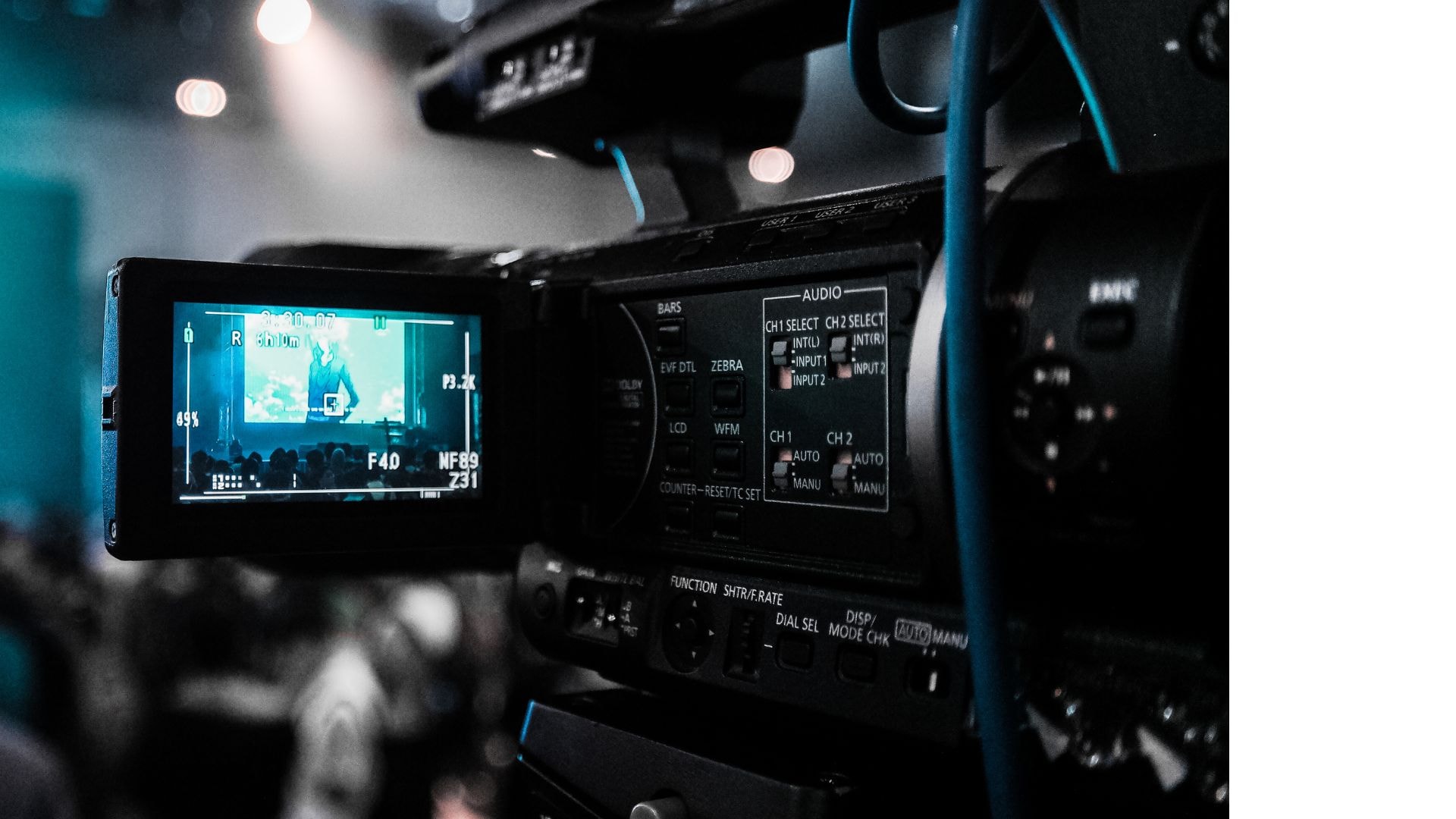
Engaging through live streaming is an effective way to reach and connect with a wider audience in the modern age. By broadcasting sermons and events online, preachers can bring their messages to people who might not be able to attend church in person. This approach opens up new opportunities to engage with congregants and create a sense of community, regardless of physical location.

Livestreaming allows preachers to interact with viewers in real time. Congregants can participate by commenting, asking questions, or sharing their thoughts during the broadcast. This interactivity helps create a lively and dynamic environment that mirrors the in-person church experience. Viewers feel more connected and engaged when they can actively participate and see their contributions acknowledged.

Platforms like YouTube Live, Facebook Live, and Instagram Live make it easy to broadcast sermons and events to a global audience. Preachers can use these platforms to share worship services, bible studies, and special events, reaching both regular congregants and new viewers.

When pastors embrace live streaming, they can extend their reach, build a sense of community, and make their messages accessible to anyone with an internet connection.

4. Create a Podcast Series

Creating a podcast series is a powerful way to share sermons and spiritual discussions with a wider audience. Podcasts allow people to listen to messages at their convenience, whether at home, in the car, or during a walk. This flexibility makes it easier for individuals to integrate spiritual growth into their daily lives. Here’s how to create an engaging podcast series:

5. Use Data Analytics

Using data analytics can greatly improve the effectiveness of sermons and church outreach efforts by providing valuable insights into the audience’s preferences and behaviors. By collecting and analyzing data, preachers can tailor their messages to better resonate with their audience and increase engagement.

Data analytics helps preachers understand their audience demographics, such as age, gender, and location. This information allows them to craft messages that are more relevant and appealing to different groups. Analyzing engagement metrics such as likes, shares, and comments, can also reveal which sermon topics and formats generate the most interest. By focusing on content that resonates with the audience, preachers can make their sermons more impactful.

Additionally, data analytics can optimize social media strategies by identifying the best times to post content, ensuring it reaches the largest possible audience. By measuring audience growth over time, preachers can evaluate the success of their outreach efforts and make informed decisions about future strategies.

Through data analytics, preachers can connect more effectively with their audience and enhance their overall impact.

Preaching Strategies

Preaching Strategies

In conclusion, preaching in the modern age requires embracing change and leveraging new tools to effectively connect with a diverse and digitally-savvy audience. By incorporating multimedia tools, engaging through social media and livestreaming, and utilizing data analytics, preachers can create dynamic and meaningful experiences that resonate with their congregations.

These strategies not only help expand the reach of sermons beyond the church walls but also foster a sense of community and connection among followers. As society and technology continue to evolve, it is essential for preachers to adapt their approaches to meet the changing needs and expectations of their audience. By doing so, they can ensure that their messages remain relevant and impactful, guiding individuals on their spiritual journeys and helping them navigate the complexities of modern life.

Ultimately, the core mission of preaching—to inspire, uplift, and guide—remains the same, but the methods used to achieve it must evolve with the times. Let us know any other strategies you think of in the comments below!
More Resources on Preaching

View Full Transcript

Episode Transcript

[00:00:00] Speaker A: Preaching just isn't what it used to be. Back when I graduated from Bible college, social media was just getting off the ground, and the digital world is nothing like what it is today. And so our preaching techniques and strategies should probably be different from what they were 15 or 20 or even five years ago. In this conversation, we're gonna unpack some of the digital things that churches are doing to get better engagement in their preaching. Let's do this. You're listening to the Reach write podcast, the show dedicated to helping your church reach more people and grow well. Hey, guys, I'm Thomas. [00:00:40] Speaker B: And I'm Ian. [00:00:41] Speaker A: And today we are talking about five advanced preaching strategies for the digital age. Kind of the theme is we want to talk about some things that maybe we're changing up a little bit to make sermons and kind of our sermons more useful using digital tools. So I think it should be a good conversation for us. Ian? [00:00:59] Speaker B: Yeah, useful or engaging. And, yeah, you definitely want people to be into your sermons if you're preaching them on a regular basis, or even if you're not preaching on a regular basis, if you preach every so often, maybe you're not always on the pulpit, but you are ever every so often. Kind of like myself, how I have been in the past. And so, yeah, we want to give some tips, some ideas that can do anything to help people respond to the gospel in your messages. And I'll kick us off with this first one, if that sounds good. Thomas? [00:01:32] Speaker A: Yeah, let me add one more bit. Not to rush you through stuff, Ian, but let me add one more bit of context to this here. I'm just thinking about the theme today. While we're talking about sermons, I think most of the feedback we have is how we can use our sermons outside of Sunday mornings. There's a little bit of Sunday mornings, like, advice that we have on things. But what I'm finding is that the impact of our sermon for most churches, I know for my church, we're reaching more people outside of Sunday morning services than we are in our Sunday morning services, when you incorporate all the ways that we're using our sermons digitally. So these aren't all for the faint of heart. I'm not saying that all this stuff is going to be easy to pull off, but I think that you have such an enormous audience if we really capture this right and use some of the digital tools we have at our disposal. So now, without further ado, please. [00:02:25] Speaker B: Now I can. Okay, great. No, no, that's a good. Good to preface it with that. You're right. So, no. And the first is, you would think, kind of a no brainer or not to at least be doing some of this, at least is leverage multimedia tools. What do we mean by this? Things like visual presentations, video clips, music and sound effects. I thought that that one was funny. I actually would like to see that more at my church. I think that that'd be fun and entertaining to have some sound effects that come in there. And that might be a good thing to keep people engaged or, you know, keep their attention on the message. And then, of course, other interactive elements. Maybe it's polling software. We talked about that a little bit on another podcast. Like if you, if you have the ability to man that and get that data and have the software set up to maybe do a quick poll that you even can talk about the results during the message. But of course, we've known of things like when we get back to the visual presentations, like PowerPoint and other display images and those types of things. Video clips I liked as well. Again, I'm hung up on this. Music and sound effects. I want to hear funny noises during my pastor's messages. Next time I might have to share this with him or the media team at our large church. Hopefully it makes it to him. But other than that, the video clips I do love, some of my favorite sermons are, is when maybe you pause for a second and there's a short video. It could be a testimonial, it could be a clip from a movie, even that kind of ties to the message. But it's engaging, it's enter, it's entertaining. And so, yeah, those are a few ideas. [00:04:07] Speaker A: Yeah. So I was thinking back and I feel like there was a time, this is probably like the early two thousands or so, where it was so revolutionary, the idea of having a movie clip in your sermon where like, and I can't tell you how many times I've seen like, the Lord of the Rings, like, fellowship of the ring scene. Like, I probably have seen that in a sermon like 810 times maybe where like, they, you know, the whole scene where they all come together and you could have my bow and my axe and they're all kind of telling the story of like, you know, that's what the church is and that with all of our forces together, we can do more than we could ever do on our own. And so I feel like it had its heyday. I don't see it as much. I don't know. Do you guys do that often at your church? Do you guys have like a movie? I know you guys do like your summer at the movies? We used to. [00:04:56] Speaker B: We've stopped doing that, but I did. [00:04:58] Speaker A: You okay? [00:04:58] Speaker B: Yeah, I liked that. But I can maybe see how you can't. That may get old. [00:05:04] Speaker A: No, I'm not even saying this isn't a critique on it. I just, I feel like I'm. It seemed like there was a season before the summer at the movies thing was the thing that a lot of churches do. There was like this push where I think sometimes we even like, forced movie clips into our services just to be like, I'm a cool pastor. I put movie clips in my sermons, typically, so I see it less and less now. But I do think that there is a place for, certainly video testimony. Videos are incredible. I think you have to really moderate your length on that and really make sure that, you know, if you have, like, a testimonies. By their nature, they tend to be things that people like to go long with. And so really editing strongly on that is important. I have a question, though. At your church, Ian, not just in the sermon portion, but there's. I imagine there's a few videos every week. Like, you guys do video announcements still, right? [00:05:59] Speaker B: Video announcements, video promos for events. Of course. Again, as I've shared, I'm in a very large church that my family and I remember that we love, and. But yes, we always have some sort of video incorporated. And not always within a sermon, but before, mostly before, obviously, during announcements, kind of even before leading up, uh, to worship. Not much there, but things going on on the screens and those things, for sure. [00:06:31] Speaker A: Yeah, yeah. Good stuff. So, anyway, we think that using multimedia, using these kinds of things, it can enhance your sermons, uh, especially on Sunday morning. There are ways you can, uh, make it even better, um, afterwards with that, too. Which brings us to our next one, is utilizing social media. [00:06:47] Speaker B: Yeah. [00:06:47] Speaker A: Um, I think that, uh, every church probably at this point, knows that social media is a valuable tool. I think many churches use it incorrectly still, in that we use social media the way that it worked ten years ago, when it was great for promoting events and getting info out to your people. And when you post something, you could trust that most of your followers would see it. Just to be clear, those days of social media on every single platform have come to an end. You know, I think most of us probably got our start in social media on Facebook, for churches. [00:07:25] Speaker B: Yeah. [00:07:25] Speaker A: And when you posted to Facebook, you could, everybody would see it. But now, if you post, hey, you know, VBS incoming this week, make sure you sign up. Very few people will see that even if you have great video or pictures to go with it, and the people that see it oftentimes are not even people that are within your church. They're people from your outside community and all over the world. And that's the way the algorithms are built now to do that. So this is the heyday for using social media and using your content think sermons to push out to social media. And the best way to do that today, we're recording this in mid 2024. The best way to do that is through short form vertical video on TikTok, Instagram, and Facebook reels and YouTube shorts. Uh, those platforms are incredible for distributing that content. Listen to this. Our church hadn't had a tick tock account until about two and a half months ago, and as of last week, it became our most popular platform. [00:08:30] Speaker B: Wow. [00:08:30] Speaker A: In just two and a half months. We've been on Facebook for 15 years or something. Yeah, we've been on Instagram for probably eight or nine. And then in two and a half months of posting, posting TikToks on TikTok, we saw an enormous return on that. And that's a number of followers, number of views that we're seeing. It almost instantly became our most popular platform. So the potential is out of this world. And I think it's something that every church should be really having a strategy that focuses on that right now. [00:09:01] Speaker B: Yeah, totally agree. Something we consult, and I consult with churches day in and day out. It's not enough to be using social media, it's how you use it now. And like you said, with content shorts, those things. So, yeah. Next one is engaging people through live streaming. Okay, so we've said constantly here that we don't believe every church should do live streaming. So there's a lot that goes into it. The quality of how it's being recorded, your production, all of that. If it's not top notch, and not just top notch, I don't mean just high end. Like, you have to have all the highest end technology to do it, but you just have to be set up well for it and for it to be delivered well. And there's a lot that goes into that. However, it is still something that can be very effective when done right. Obviously, it's something that, whenever I can't make it to church, for whatever reason, I tune in and I watch live. And I actually prefer that over going back and getting a message later now. So, I don't know, it makes me feel like I actually didn't totally miss church. So maybe it was more of a, you know, we didn't make it today, and as long if I'm watching live, I'm still a part of the, you know, the normal service time that I go to. And the people that are there, I'm still hearing that and receiving that and engaged at the same time they are. Or just that that's the normal time. Yeah, maybe it's just something for me, but. [00:10:34] Speaker A: But, yeah, I've heard that sentiment before. There's something to be said for the synergy of everybody doing it at the same time. [00:10:40] Speaker B: Yeah, but again, it's something that my church does a very good job of and very good. [00:10:45] Speaker A: Right. [00:10:46] Speaker B: Well, production of it. But we have always said, you know, definitely, we always recommend, at least on demand sermons after they've been recorded, to have those out there, at least at a minimum with audio. [00:10:58] Speaker A: But, yeah, yeah, yeah. That's something we say, is that every church should be having their video on online. That's a good thing to do. I don't think that every church should burden themselves with having to do live video and the challenges that come with that. And it's very hard to put your best foot forward without enormous resources in that specific area, so it's not for everybody. I think the emphasis I'd like to put on this live streaming is engaging people through live streaming. So just having a live stream that's going out, uh, isn't enough. I think you actually have to have engagement stuff that makes live streaming valuable. I mean, streaming is a very, very popular platform. Ask your kids if you're. If you have kids, and chances are they follow streamers out there. Some of the most popular people in the world are streamers, so the medium itself is fantastic. But what's so great about streaming is the engagement that happens with the chat. My, you know, my twelve year old son refers to his mom and dad, me and my wife, as chat sometimes, for whatever reason, because they're so into live streamers right now. [00:12:05] Speaker B: Yeah. [00:12:06] Speaker A: So I just, you know, we. We nip that in the bud as quickly as we can when that happens. But, yeah, it is something I think is a potential opportunity for the right kind of church. And when you do it, make sure you're engaging with the chat when you're doing it. [00:12:20] Speaker B: That's good. That's funny. [00:12:21] Speaker A: So, all right, next one up is create a podcast series. Uh, so let me say what I don't mean by this, and then I'll talk about what the opportunity here is. So I don't mean taking your sermons and just putting them out as a podcast, well, it probably makes sense to do that. Um, if people want to have it delivered that way by podcast, it just means that it's like, technically what podcasting means is it's a. A RSS subscription that automatically gets sent out to people and they subs, they can subscribe so that your sermons get automatically downloaded or added to their library as things to listen to next. So, sure, we should be doing those kinds of things, but I think the opportunity really lies not so much in just the podcasting and putting your sermons out that way, but maybe making some kind of a companion piece to the podcast where someone has the ability to maybe ask questions. Maybe you use a podcast where members of your church can ask questions about Sunday's sermon, and then you use that to kind of do follow up responses or you do a deeper dive into the passages you talked about there. Those are some of the things that I see working well for churches right now. But I don't know. What do you think, Ian? [00:13:35] Speaker B: Yeah, no, I totally agree. It's actually pretty neat. We just have partnered with a church recently with our services. We're doing a website and some other things for them. This pastor is really big on his podcast and doing series for those, and he's a very creative guy. Like, he just told me this week that he was preaching on dinosaurs and the Bible was the topic, but he does a lot of topical stuff, but he's known for that. And he has people tuning in from all over the country to his podcast and his sermon content. And it makes it, I think, exciting when you're talking about, you know, themes and having episodes and those types of things. It could really help build a following. And obviously, when you build a following, more people are being blessed by your sermon content and your messages and your media, and will they engage with your church and more importantly, engage with the gospel and the Lord. So, and that is kind of a segue into this last one, I want to say, because this same pastor that we're working with uses data analytics, and that's our final point with this, is that should you use. We said this at the very beginning as one of the questions that one of the intros we gave is, should a church use data analytics for their messages? Well, what this particular client of ours and pastor does is he looks at where people are watching or listening from all around the country, and he has learned that he has a lot of people in Texas, Alaska, and then there was one more state. It may have been Tennessee. I could have the states wrong. I know the Alaska and the Texas that won, but there were three or four particular states, and he was kind of seeing, he was understanding which kind of messages people from these individual states were really tuning into more. And he will now craft a lot of his messages around understanding who is listening, what content they're after. And it's given him more ideas for ongoing sermon series and things that he's doing. So I thought that was neat. Pretty cool that this church signed on around the time we're doing this podcast. And it's not something that I see every pastor doing, but I think it's very smart, and I think it will also help, you know, how to lead more people to Jesus just by understanding what they're listening to, what they're watching, and what they're responding to. [00:16:24] Speaker A: Yeah. [00:16:24] Speaker B: Yeah. [00:16:25] Speaker A: So I think you can't use data for everything, right? So, like, because the data may wind up showing you things that, like, you can't do. So you might find that, like, hey, everybody seems to listen or watch our sermons less often when we're talking about sin. So it's like, okay, well, we're not going to, like, let's stop talking about. [00:16:46] Speaker B: Yeah, yeah, yeah. Right. [00:16:47] Speaker A: That's a very. Yeah. It's a very calculated way of making a decision like that. [00:16:52] Speaker B: Yeah. [00:16:52] Speaker A: Some churches do it, you know, they sure. Famously, some churches don't talk about things people don't want to hear because fewer people show up, and that's just not the way to lead a church. So that's not our advice at all. [00:17:03] Speaker B: Correct. [00:17:03] Speaker A: That being said, there are some things you will find that have a positive correlation to more people watching and people staying tuned longer. And I don't really recommend that you just double down and only preach on those topics. But I do think there's a place to focus on making more content on those kinds of topics. So, let's say, and I've seen this at our church, is that when we do content around, like, sermons, where we clip parts and we turn them into long form or short form videos that are about parenting stories or parenting advice, we see an uptick in the number of people that view and their watch time and those kinds of things. So that is a signal to us that that's the kind of content that people really are resonating. It's resonating with people. So we want to double down and make more of that kind of content. So at our church, what we do is, with our social media team, I have a monthly meeting where we go over our social media report card and we take a look at this. And then we kind of look at, hey, did we have any bangers? Did we have any like, of our videos that just really did well. And then we kind of look for any trends like, oh, we noticed that oftentimes when we talk about family issues, we tend to do we have better performance? And so let's double down on that kind of content. Let's clip that kind of content more often. [00:18:25] Speaker B: That's good. [00:18:26] Speaker A: And focus on that. There is definitely a use for that. Please hear me. I'm not saying that you don't talk about things that aren't popular. You do need to do that. I can see there's a logical thing. If all I'm making social media clips about things are kind of those heartwarming, positive type stories and not some of the more challenging things, it might be perceived that our message is more kind of like a seeker, sensitive, hard topics or whatever. But I think, yeah, I just think that in the end, the people, you're going to be given a certain audience. These algorithms are designed to give people the content that they're looking for. And so if you want to have a wider reach, you'll probably want to create content around those things while you keep preaching exactly what God calls you, has called you to preach. That's kind of my take on it. [00:19:14] Speaker B: Yep. I think that's a, that's a good way to sum that up. You're right, that could get you into trouble if you're going strictly by the feel good data analytics. [00:19:23] Speaker A: Yeah, totally good stuff. So anyway, that's it for us. I think today, the five things that we're seeing, these aren't for the faint of heart, they're a little bit more advanced kind of techniques for kind of expanding your reach digitally. I hope it's been helpful for you. If it has, it would mean a lot to us if you would hit the subscribe button. If you're watching on YouTube or wherever you're getting your podcasts, or if you're watching on our site, also drop us a comment. We know that we have lots of pastors that watch and listen to this podcast here. So my guess is you have some things that are working at your church, especially digitally, that are helping you guys reach a wider audience with your sermons and turn it into a broader reach. So we'd love to hear what you guys are doing. Also, any questions you may have, we use this as a source for future podcast episodes, so drop us a question down below. Thanks for being a part of the Reach ride family and we'll see you next time. [00:20:16] Speaker B: See ya.

Other Episodes

Episode 0

July 11, 2024 00:25:48
Episode Cover

Church SEO Copywriting: 8 Tips for Engaging Online Content

In today’s digital age, having a strong online presence is crucial for churches looking to connect with their community and reach new members. Church...

Listen

Episode

October 09, 2025 00:24:12
Episode Cover

Why Your AI Prompts Suck (And How to Fix Them)

AI tools are everywhere. Whether you’re using platforms like ChatGPT, Claude, Gemini, or another generative AI system, you’ve probably seen firsthand how powerful these...

Listen

Episode 22

December 03, 2020 00:30:42
Episode Cover

6 Things Your Church Needs To Know About Gen Z

In today’s episode, we discuss six things your church needs to know about Gen Z. Generation Z are already busy making their mark on...

Listen