Speaker 0 00:00:00 Working with pastors all over the world, we see some of the same mistakes being made over and over again. In this conversation, we're gonna unpack the five biggest mistakes that we see churches making left and right. We hope this conversation helps your church reach more people and grow. You're listening to The Reach Right podcast, the show dedicated to helping pastors and church leaders reach people the right way. Hosted by me, Thomas Costello. And with me, as always, is my co-host, Ian Hyatt. We're here to help your church see more visitors and grow ready
Speaker 2 00:00:43 Dump, dump, dump. Ready to get dump, dump. Ready to get.
Speaker 0 00:00:52 Hey guys, welcome to the Reach Ride podcast. I'm your host Thomas Costello. And with me as always is my co-host
Speaker 3 00:00:58 Ian Hyatt. What's up, Thomas?
Speaker 0 00:00:59 Not much, man. Excited. We're talking today about five huge mistakes that church leaders make. Uh, so we'll be talking about that a little bit today. I did my best, uh, Donald Trump. Huge there. I, I emphasized the age a little bit too hard. It's more of a why in the beginning there when you're talking about it. So anyway, big mistakes that we see, churches and church leaders, ones that we see them make. So should be a good conversation, right?
Speaker 3 00:01:25 Yeah, I think so. Absolutely. Should be helpful. We're not always negative, but it's gonna help.
Speaker 0 00:01:30 Yeah. We don't do this to <laugh>, to pile on pastors. You know, we're, we're four pastors. We are pastors. Yes. That's what we do. We, uh, we help churches and, uh, we lead churches ourselves. Um, so I think this should be a good conversation, but I just, um, watching this especially kind of in some of the organizational and leadership type structure, uh, some of those things, we see a lot of common mistakes that frankly, I have done myself. So Sure. In a lot of ways, this is a confession of, uh, of me and some of my pastoral mistakes and hoping that our audience doesn't have to repeat some of those same mistakes.
Speaker 3 00:02:05 Yep. Exactly. Exactly. Awesome. Same here. We've all made these mistakes,
Speaker 0 00:02:09 So, well, that's it. Well, let me get the first one then that we uncovered here. Uh, it's, um, it's overcommitting themselves and their teams, the first mistake, overcommitting themselves and their teams. Uh, I have, um, I have been, I have done this before. I can, I can definitely relate to this. I have overcommitted myself. Uh, I think what pastor hasn't, um, and usually it's, uh, a lot of times our spouses that will let us know when we're overcommitting ourselves because we don't quite feel it the same. But, uh, our spouses or our kids, or those that love us the most, they're the ones that start to notice in the time that we have or our attitude. Some of those things start to change, but I will say that I probably have done it a lot where I have over-committed those that are around me. I mean, Ian, you've worked with me and I guess in a sense for me at Reach right here Yeah. For, um, well, we've, we've worked together, uh, in different roles, but, uh, for what, a decade or so now in different places, and we've been working together in this stuff, and so I'm sure there have been times where I've done this to you or other people on our staff where I've expected more than you're, that you are, than you're able to give. And it's leading to other challenges and every
Speaker 3 00:03:17 Day. Yeah. Every time,
Speaker 0 00:03:18 Single day. That's right.
Speaker 3 00:03:21 You kidding, kidding? Of course. That's
Speaker 0 00:03:23 It. We expect greatness. That's exactly, that's right. What it is around here. So, no, but I, I think that understanding, for me, what has been important is understanding that not everybody is wired the same way that I am. And I think all of us have this tendency to assume that I do something other people should be wired to do the exact same thing. Uh, you know, to me it's life giving sometimes. And my wife makes fun of me to, you know, be watching YouTube videos late at night about how to do better SEO stuff and how to, how to work better in Excel to, you know, do <laugh>. I spend time doing that and I have to realize that, you know, I, I'm not the same like I I my wife, sometimes she'll look at me and she just kind of has this look of like disgust when she sees what I'm watching <laugh> not that she's like, it's, it's not like I'm watching porn or something like that.
Speaker 0 00:04:11 It's like, it's disgusted, right? It's like, I cannot believe that I married this bizarre person that's sitting here at 11 o'clock at night watching videos on how to do pivot tables better on Excel <laugh>. That's really, really weird, right? So, yeah. Yeah. I I think it's just kind of knowing yourself is the key to this. And I think church leaders, sure, we're all wired different, we know this from scripture that we all have different gifts and people are, yeah. We, we have different ways of doing things here. Um, I think that there, we need to have grace for our team members and understand that we're not wired the exact same way. Right? So I think, uh, that's one of the things that, a mistake that I've seen in my own life. Uh, I think just, uh, being thoughtful about this kind of stuff can really go a long way.
Speaker 3 00:04:52 Absolutely. No, that's a good point. And you know, obviously we all know it's scriptural that we have, uh, our own unique gifts that God has given us. We are all made in his image, but we are all very different and, uh, and intricate, right? And, and, uh, so I think that is good, um, for a pastor or a ministry leader to step back and kind of remind themselves that, Hey, may am I being unrealistic? Uh, you know, and, and I think it, what you reminded me of too, uh, not to continue on the spiritual track, but, uh, was a verse in Ecclesiastes that says, better one handful with tranquility than two handfuls with toil. And I think that speaks to moderation, right? We're called to, to where it's, uh, we should work hard. We should, we were just joking about, uh, you having two high expect we should expect greatness in ourselves and our staff and, and leaders, but not at, you know, the, the, the cost of someone getting burned out or just, uh, you know, being put, uh, having placed responsibilities on them that maybe are too much for them or outside of that.
Speaker 3 00:05:54 So I think you covered that well, Thomas, for sure.
Speaker 0 00:05:56 Yeah. Thanks, man. Get the next one.
Speaker 3 00:05:58 Yeah. Next one is that, um, we can treat members, church members like a commodity if we're not careful. Um, so let's just face it, you know, in ministry we have, uh, just like in a business, you have metrics, you have goals, you have, um, you have the things that are, I think, right in front of your face, uh, attendance, uh, number of attendance, number of baptisms, number of people in your small groups, number of people serving, all of that. And I think that when success comes, it's easy for us in ministry to, um, to begin to, you know, get a little bit prideful. And now it's good to feel good if you're doing great things. Hey, of course we give God the glory first. But I think sometimes we can get wrapped up in those in our own success and ministry, and then we begin to, uh, start, um, you know, not feeding our, if that's the right word, uh, our members, our, our teams, uh, our other staff, you know, we can begin to, to, to stop focusing on the things that matter most, like serving people, nourishing them. And so I think it's just that, that balance, uh, as we were just talking about and the point before of, you know, focus on the results, focus on what you can do better, but don't forget, at the end of the day, you know, if people are being treated like a commodity, you will begin to suffer. You know, your church will begin to suffer. You will begin to not accomplish goals. Yeah. Uh, and so, uh, that was a good reminder I think
Speaker 0 00:07:29 To me. Yeah. This, this is another one that I've been guilty of. You know, I think that this, you know, I already confessed my, that I'm a Excel guy. I, I, yeah, I like numbers. That's the kind of stuff that I do. I have all these things in my life charted out. And so my natural tendency is to, uh, start to think of ministry related things as, as numbers, as things that are trying to get to the ultimate goal. And it's so important to remember that people aren't a means to an end. People are the end. That is the, that is the finish. Like blessing and being someone who is a has an impact on people, is the job. It's not the number, it is the person. And so I am, I am very, at times in my life, very guilty of this. I think, um, there was a movement that went so far in this direction for a while where we went off the charts, like where we just like had this opposition to numbers.
Speaker 0 00:08:22 And I'm very much against that too. Like, I think, yeah, if you have a healthy relationship with numbers and numbers represent souls and life change, and each one of those, it helps you to measure some of that. We are very much for measurement, and we have all kinds of podcast episodes and blog posts about how to measure things in churches and what to measure Yeah. And who to measure and all those kinds of things. So we are definitely for that. But I just know that there's the tendency sometimes to think of people as a commodity. But remember, right, every time we do a baptism, it's, it's, you know, a a little mark on an Excel sheet or in your church management software saying a checkbox box. It doesn't even come close to capturing the impact this is having on someone's life. This person has decided to go in front of the entire world and brought their family there to get dunked as an adult in some cases, and come out of the water soaking wet in a church service for the whole world to see. Yeah. Right. Like, that's a huge thing that someone's decided to do to follow Jesus. It's bigger than a check mark. Uh, so yeah, I don't know, just helping me think about the things in that way. It helps me with that. But yeah, that's a good one, Ian. I think, uh, making sure that we know people are not commodities.
Speaker 3 00:09:27 Yep. Good. Well, why don't you get the next one.
Speaker 0 00:09:29 Next one, uh, is failing to lead leaders. Uh, another one that I've fallen victim to, I think is failing to lead leaders. I think for me, my tendency would be when I would bring people around me, whether it was in within church or even in my, our early days here at Richard Wite, I would try to bring people around that, um, that on our team, or we hired people that were, um, that I could train to do what I did. And I get that right. That's a kind of normal tendency, I think for, for pastors. A lot of times that's the way we would hire someone who does youth ministry is someone that, you know, I guess technically I could go and do youth ministry, but I don't really wanna spend every Wednesday and I don't wanna go to camp anymore, or, you know, do those kinds of things, right.
Speaker 0 00:10:15 So, um, we, we tend to hire people that could do what we do. And instead, what I have found, and we've had so much success as a company, and really it's been the foundation of our growth over the last couple of years, is finding people to lead that are actually much better than me at those tasks. Yeah. You know, and so we just got to a point where I realized that having people to help with the writing load, like that was hugely helpful for me. And when we hired, we didn't look for someone who was, who I could train as a little bit worse than me, that I could train to be better, but someone that was a much better writer than I was to help carry the load of that. Now, that's not to say we have help with writing that does that to say I'm not touching every one of our right posts and reading them and, and getting involved in an editorial kind of role on things, but bringing some of these people on is a huge help.
Speaker 0 00:11:05 Same thing goes for like our video editing team here. Yeah. So I, I know very little about video editing, and so finding people that were dynamite at this kind of stuff. Yeah. It has been a huge help for us, a huge to our company to be able to find these kinds of people. So it's, what's what's been the pivot is it's, it's moving from leading workers to leading leaders. Yeah. We want to lead the people that are going to be other leaders or are really great at the skills that God has given those people there. Yeah. So, um, I, that's been a huge pivot for me. And some mistake I see a lot of churches make
Speaker 3 00:11:37 Yeah. A agreed. And, uh, I think we often also can think in, in ministry that if someone's a leader, well, okay, they don't need to be led. They're the leader of, of whatever ministry or whatever they're doing. And, uh, reminded me of a role that I actually really love to search, observe in at my church, which was, uh, for a season I was a small group advisor. So I had, uh, when I, before joining the church, we've been a part of now for years, you know, focused a lot on discipleship and, and led successful small groups and helped the church grow, uh, with creating more small groups. And so, uh, when I joined the church, when my family and I joined the church we're at now, I had started, uh, in that season, there was a new small group pastor and, uh, just started one of our more successful small groups that we saw the church saw a ton of fruit, uh, with.
Speaker 3 00:12:29 And, uh, and it was very fulfilling to me. And so from out of that, they had asked me to be almost a leader to other small group leaders. And I really enjoyed that because a lot of times small group leaders, though, they're doing a good job of that, they need a resource, they need, uh, a shoulder to, to cry on, so to speak. And, uh, that's true, uh, need to gleam insight that maybe they're not seeing. So, uh, anyway, one example of that, uh, not that that's a position you need at your church out there, but uh, be thinking of ways to lead leaders. So I like that. Yeah. But, um, the next one, okay, the next one is, one mistake is building a barrier between secular and spiritual. I think for years now, churches have struggled with this. You know, we've always done it our way, you know, or we've seen success with, uh, knocking on doors or, um, handing out tracks.
Speaker 3 00:13:17 I'm not saying there's still not a place for that, though times have changed greatly. Um, it reminds me of what scripture, uh, came to mind with this, is that the Apostle Paul said, you know, be all things to all men so that we would win some. And I think what that means is that don't, the message stays the same. We know that biblically the message is the same, but the methods have greatly changed for successful churches. And when I say successful churches that are growing and leading more people to God. Uh, and so I think it's good to step back and don't just assume because something's done in this secular arena that it cannot work for your church. Um, so, uh, so just because we've always done it this way, oh, you know, businesses only do marketing. That's one of the things that, uh, I think we still see as a mindset out there. Um, which, which makes us sad because we do digital marketing for churches, and we've seen churches grow immensely from what we do here at Reach. Right. And so, um, that's not to say we're scrapping everything, uh, a church does, uh, you know, for growth and, and, and ministry when we come in and consult them. But it, you gotta broaden your eyes and, and look at, okay, be open to things like digital marketing and not just that, uh, other methods of ministry.
Speaker 0 00:14:35 Yeah, that's good stuff. Um, to me, the obvious like source of this, and I, I think I made this mistake a lot in my younger years. Um, we would be quick to like, this line of secular and spiritual was very pronounced, I feel like in the nineties and when I was, was becoming a Christian and early two thousands, you know, the thing that young Christian men did, or women too, I would assume is that, uh, you know, sometimes at the behest of our youth pastors or parents is you would take all of your non-Christian music and you would dispose of it, or you would give it away, but that would, you kind of wondered, should I give it away? Is this causing someone else to go to hell? Is that okay? You know, that kind of stuff. We thought about those things, but, you know, in reality, I feel like that's such a perfect example of how we tried to make this kind of like a line of demarcation between Christian and not was whether or not you listened to Metallica or to Pearl Jam or something like that.
Speaker 0 00:15:30 In my case, that was the stuff that I would, I was having to wrestle with there. But yeah. Um, you know, I, I have found, I've come full circle on this. I think this is a mistake that I, uh, ha I don't make very often anymore, uh, is letting the Lord speak to people, uh, and their own conscience on these kinds of things. And I'm happy to offer advice, you know, if music is causing you to stumble, you probably gotta take a hard look at that, right? But in most cases, or in many cases, at least, it's not the case. Like, that's not doing that. I, I can tell you this. So at our church, um, that I was pastoring in Madison, Wisconsin, um, as of a couple years ago, uh, we were well known for having pre and post-service music. Uh oh, yeah. That was completely secular. Uh, there was totally secular music. It was a very on point on style for the time. It was the right kind of music. And I cannot tell you how
Speaker 3 00:16:20 Many, it wasn't Satanic heavy metal or anything.
Speaker 0 00:16:22 No, not the stuff you listened to. Of course it wasn't like that <laugh>, but No, it's, uh, it was, uh, I remember there was, uh, chance the Rapper on there. Yeah. And there was, the Killers were on there, and we had all kinds of stuff. It's just things that were, you know, it, it wasn't obscenity laced. Uh, but at the same time, it wasn't distinctly Christian. It was a lot about, it was, uh, there was songs that were love songs and things were there, but it was definitely of a different stop. But the point of all this is, it's different for if you're in, uh, New York City versus Atlanta versus Portland versus rural Oklahoma, you're gonna choose different music for this. But my point is that we saw people at least a couple of times a month come up and say, after they visited that they would comment in their comment cards. They would tell me directly that it was so cool to hear a song that they wouldn't expect to hear at a church, at a church at this church. Imagine like the stuff that they're actually listening to already,
Speaker 3 00:17:15 My guess is it made them feel more comfortable to ease into your service too, before you th them with a hard message.
Speaker 0 00:17:21 I'm kidding. That's right. When we, we, we smacked them over the head with the gospel of Jesus. Yeah, that's exactly right. No, but I, I just find that these lines, I think it's a mistake if we are, if we are adding things to the gospel, is what we're doing, and say, Hey, if you are willing to follow Jesus, uh, you know, confess with your mouth that Jesus is Lord, and believe in your heart that God raised him from the dead and get rid of all your Metallica, then you'll be saved <laugh>. Like, if we do those kinds of things, we're, we're doing exactly what we're called to, to not do in the gospel. So, um, I think that it's, uh, it's a mistake that I see churches make sometimes, and it, I get it. It's with good intentions. I know that like, there's been things in, again, this goes back to us projecting a lot of times the things that have been hard for us.
Speaker 0 00:18:04 We project those onto other people and assume that my struggle is the same as everybody else's struggle with things here. Yeah. And, um, I remember very distinctly when I, I was a kid and my, uh, my parents called in our pastor and he gave me the, uh, Hey, I heard that you really like Metallica. Well, if you like Metallica, you are gonna love this new Christian band named Petra. You're gonna love them. Nevermind that they were around for like 10 years already. But yeah, he, he was doing his best trying to figure that out. And he's trying to relate and yeah, it was definitely done outta love. Uh, I don't fault him for it, but these are the kinds of things that I think are, are mistakes that we can make there. Yeah. So I love it. That's good. That's it. All right. I'm gonna get the last one here.
Speaker 0 00:18:44 It's judging by appearance. Uh, the mistake the churches make or church leaders are making is judging by appearance. And this is kind of obvious, right? Like, you know, we, most of us have learned that like, you know, tattoos are no longer a good way to judge someone because Right. You know, like most cool pastors have tattoos obviously now, and Yeah. Uh, you know, I'm not a tattooed person, but it's something that, um, you know, I think we've learned some of these obvious ones. Yeah. But I find myself falling victim to this here. Here's one way that I do it, cuz we just did a, we just, um, released our posts that we do every year Yeah. About church statistics. Uh, and we found that, um, this is what one, one that was really surprising me. And I harken back to that, that one in five people are watching church services online, uh, at least once per month.
Speaker 0 00:19:32 And so I know one thing that I'm likely to do is that when I don't see someone in church, a lot of times I'll start to wonder, well, what on earth happened to that person? Not really. I don't really think that, but I'll, that's, I'll kind of assume that again, I'm, I don't want to overstate it. I'm not sitting there thinking that person's no longer a Christian or at their faith is in jeopardy or something like that. But I still do have this thing where I wonder, Hey, where is, where's Joe today? I haven't seen him here. And like, I, I just think that there's so many different avenues where people are able to have an encounter with God to grow their faith to live in community. And a lot of times these happen invisibly to everybody else. Right. And so if we're just judging based on what we see, I think it doesn't tell the whole picture.
Speaker 0 00:20:14 Here's the thing, back 30 years ago, the only place that people could really encounter Christian or spiritual teaching really at all is in Sunday services. And Yeah. And people going to church and having that kind of experience. So this is totally changed if we walk in with the assumption that people within our church are unable to grow outside of my teaching as the pastor of this church, we are sorely mistaking here. Here's the scary thing is there are much, much better good biblical teachers than me and all of us online, right? Yeah. There's people that are much better communicators. I, I know that some of the people that I've learned the most from, I've never met them in person, right. I've only listened to them online. And so I think that it's very easy to get caught up in this thing kind of a, in what we see in our churches and not know that spiritual development is happening in all kinds of channels outside of church in a lot of cases. I think it's just important to remember.
Speaker 3 00:21:09 Yeah. And it reminds me of kind of what we saw becoming a thing. Uh, I would say a bit pre pandemic and of course during the pandemic was churches would measure results by not just physical attendance, but what we call engagement. Right? Right. And someone who may not be there on Sunday, they, they may have not been able to make it that Sunday, but they may be active in their small group. They may, they may made their small group Wednesday and then they gave online. You didn't see them give online, but they did it. And like you said, or they watched a message. So there's a lot of ways these days for people to stay engaged in bear fruit and serve even if they're not there in person. So I'm, I'm glad you covered all of that. It made me think of, uh, what guys like Carrie Newk and other experts in our industry have mentioned is that, hey, just cuz someone may not make it every Sunday, uh, or isn't physically at some sort of an event or something, doesn't mean that they're not engaged in contributing to your church.
Speaker 0 00:22:08 So true. You, I'll use one more example just to kind of help. Um, so you, you guys don't pass a plate anymore at your church?
Speaker 3 00:22:15 No, we don't. Long time. Yeah.
Speaker 0 00:22:17 No, no. We, we didn't. Uh, and then we did again, um, like, so we started to, maybe four or five months ago we started passing the, the buckets again. Yeah. Um, but that's one of those things where like, I I, I haven't given like a regular tithe and offering in a church service in like 10 years at this point. Same here. It's been same year.
Speaker 3 00:22:36 It's
Speaker 0 00:22:36 Been a long, long time. And so, uh, unless there's, there's been a couple of times where there's been special offerings or something we've felt impressed to give, to put into that bucket. But almost always I'm grabbing that bucket and just passing it. And most of our churches doing that. I mean, we just passed another statistic from that post is that we just passed, uh, the in-person versus online giving online is definitely higher now. And I think that's partly because of the pandemic and some things that happened there. But, um, the point is, is that a lot of times I think people used to be uncomfortable to have that bucket go by and not put something in like it was something that made them feel like, oh, I'm, people are gonna think. It's kind of like when we go to a grocery store and they ask at the end, Hey, would you like to donate a dollar for, uh, for whatever this is?
Speaker 0 00:23:21 And you're just like, yeah, you look behind you in the line there <laugh> and you're like, is someone gonna notice? And you just quietly say, no, no thank you or, or whatever you would do. It's kind of like that, that there's like a, um, this tendency to judge or feel like we're judging based on what we say with these kinds of things. And so I think it's a mistake. It's something we should be moving away from. So I think it's a agreed, a good point there, but, well good. I hope it's been helpful for you guys. Uh, the, these are the five mistakes that we are seeing most often here. Hopefully as we're starting out 2023, this will be a helpful, uh, kind of kick to get past some of those mistakes there. Yeah. If you're making, let us know in the comments if you are making any other mistakes that you see a lot of churches make, we'd really be interested to see that. And maybe, we'll, we'd love to hear about your mistakes. We'd love to hear about the places that you're failing, cuz we told you about all of ours here. So <laugh>, that's, uh, that's, uh, helpful there. So anyway, thanks guys for being a part of the reach ride family. If this has been helpful, please rate, review, subscribe, let us know in the comments that helps the algorithm to uh, kind of boost a little bit more. And we hope to catch you next week.
Speaker 1 00:24:23 Thanks
Speaker 0 00:24:24 For listening to the Reach Wright podcast. We hope this episode will help you reach people the right way. Looking for more resources for your church, check us out
[email protected]. If this episode has been helpful to you, it would mean the world to us if you would rate, review and subscribe on iTunes or wherever you get your podcasts. Thanks again for listening and we'll see you next week.
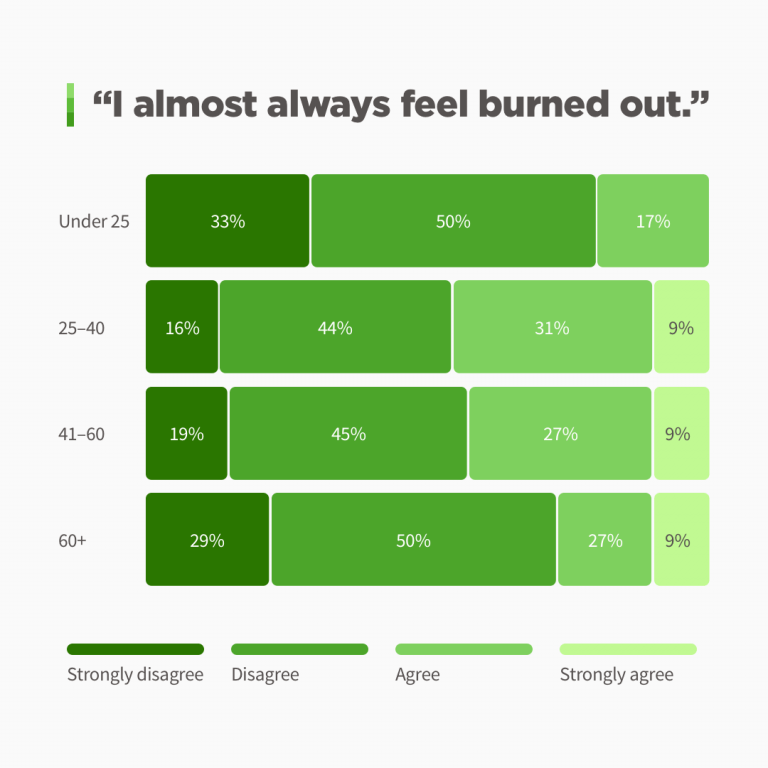 Pastors Mental Health Report