8 Pro Church Videography Tips to Captivate and Engage Your Congregation

February 29, 2024 00:25:14
8 Pro Church Videography Tips to Captivate and Engage Your Congregation
REACHRIGHT Podcast
8 Pro Church Videography Tips to Captivate and Engage Your Congregation

Feb 29 2024 | 00:25:14

/

Show Notes

In a post-Covid, constantly technologically advancing day and age, church videography is becoming more and more prevalent by the day. Whether streaming Sunday services or sharing inspiring testimonials, creating captivating church videos is becoming essential for churches that want to engage new members or keep the attention of old ones.

With the right techniques, even the simplest setups can produce professional-quality content that resonates deeply with viewers. In this article, we’ll explore essential tips to elevate your church videography game. From understanding your audience to embracing authenticity and utilizing the power of storytelling, we’ll cover practical strategies to captivate and engage your congregation.

With these pro tips, you’ll be equipped to produce compelling videos that inspire, educate, and build community within your church. Let’s dive in and discover how you can take your church videography to the next level!

Estimated reading time: 11 minutes
Taking Church Videography to the Next Level

Taking Church Videography to the Next Level

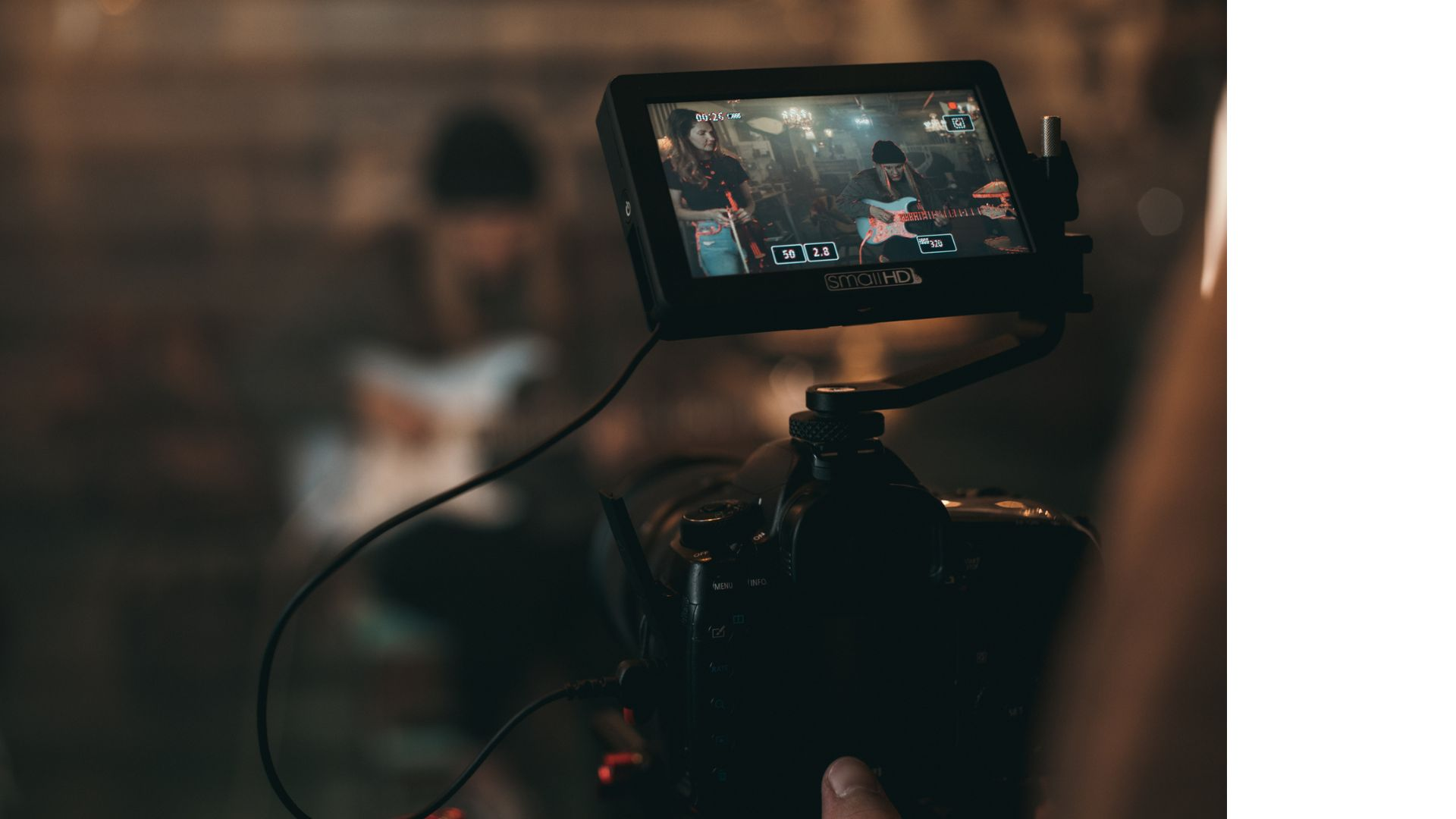
Taking church videography to the next level requires attention to detail and a commitment to excellence in church video production. Before we get into our 8 pro tips, let’s dig a little bit deeper into what church videography is meant for in today’s day and age, and why it’s important.

Why Care About Church Videography?

So what’s so important about church videography? Well your church should prioritize videography to effectively communicate their message and engage with their congregation. Video content allows churches to reach a wider audience beyond their physical walls, connecting with people from different backgrounds and locations.

Through videography, your church can share sermons, worship services, and inspirational stories that resonate with viewers on a personal level. Staff members play a crucial role in creating and managing video content, leveraging their skills and creativity to produce compelling videos that reflect the values and mission of the church.

By investing in videography, churches can strengthen community bonds, foster spiritual growth, and make a positive impact in the lives of their members and beyond. In today’s digital age, embracing videography is essential for your church to stay relevant and effectively communicate its message of faith, hope, and love.
Live Streaming

Live Streaming

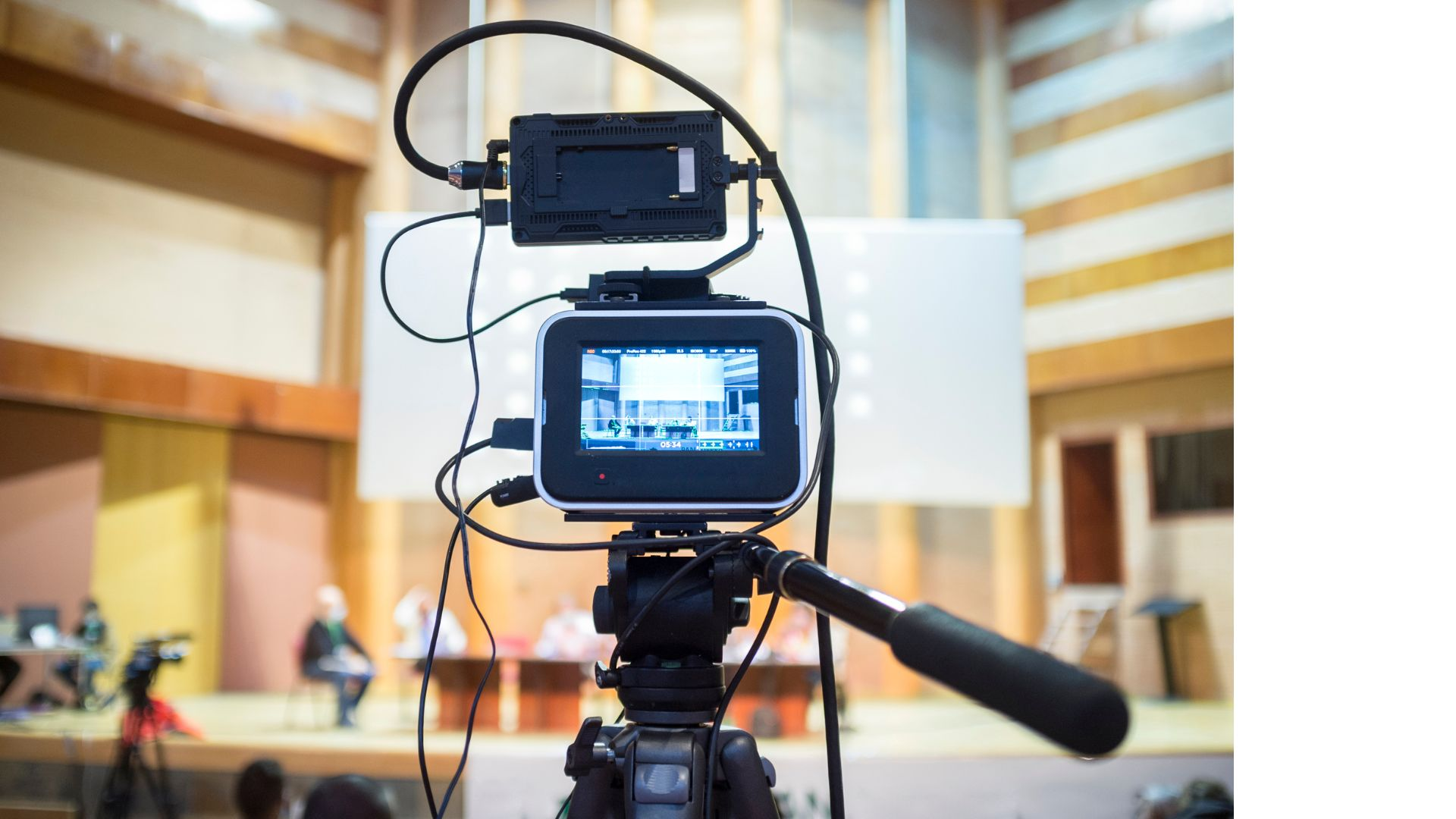
Nowadays, many churches have embraced live streaming as a powerful tool to reach their congregation and beyond. Live streaming allows churches to broadcast services, events, and special programs in real-time, enabling members to participate remotely from anywhere in the world.

Most churches started service live streams during Covid while everyone was in quarantine, and that changed up the game even to this day. Many people prefer watching live streams to attending in-person church, whether due to schedules, health, or other reasons. This means that a possible huge chunk of your audience is missing out if you aren’t live streaming.

All the tips we share in this podcast relate to live streaming as well as any other sort of church videography. We highly encourage you to start to live stream your church services (and other church content!) because of the modern environment.

Maximizing Resources

Video production is expensive, we get it. But none of our pro tips rely on you having the highest quality equipment, it’s about what you do with it. Maximizing your resources is essential if you are looking to elevate your video production capabilities without breaking the bank. You’ll want to wisely leverage the talents and skills of staff members and volunteers, empowering them to contribute creatively to your church videography efforts.

Encourage collaboration and brainstorming sessions to generate fresh ideas and innovative approaches to video content creation. Explore cost-effective solutions such as repurposing existing equipment, utilizing free or low-cost editing software, and seeking out partnerships and sponsorships with local businesses and organizations.

By maximizing resources and fostering a culture of creativity and collaboration, your church can take its videography to new heights while staying true to its mission and values.

Next-level Church Video Production

Taking church videography to the next level requires a combination of technical expertise, creative storytelling, and resourcefulness. By embracing live streaming, engaging storytelling, and maximizing resources, churches can create compelling video content that inspires, educates, and connects with their congregation in meaningful ways.

With dedication and vision, your church can leverage the power of video to spread the message of faith and community to audiences near and far.
8 Pro Church Videography Tips

8 Pro Church Videography Tips

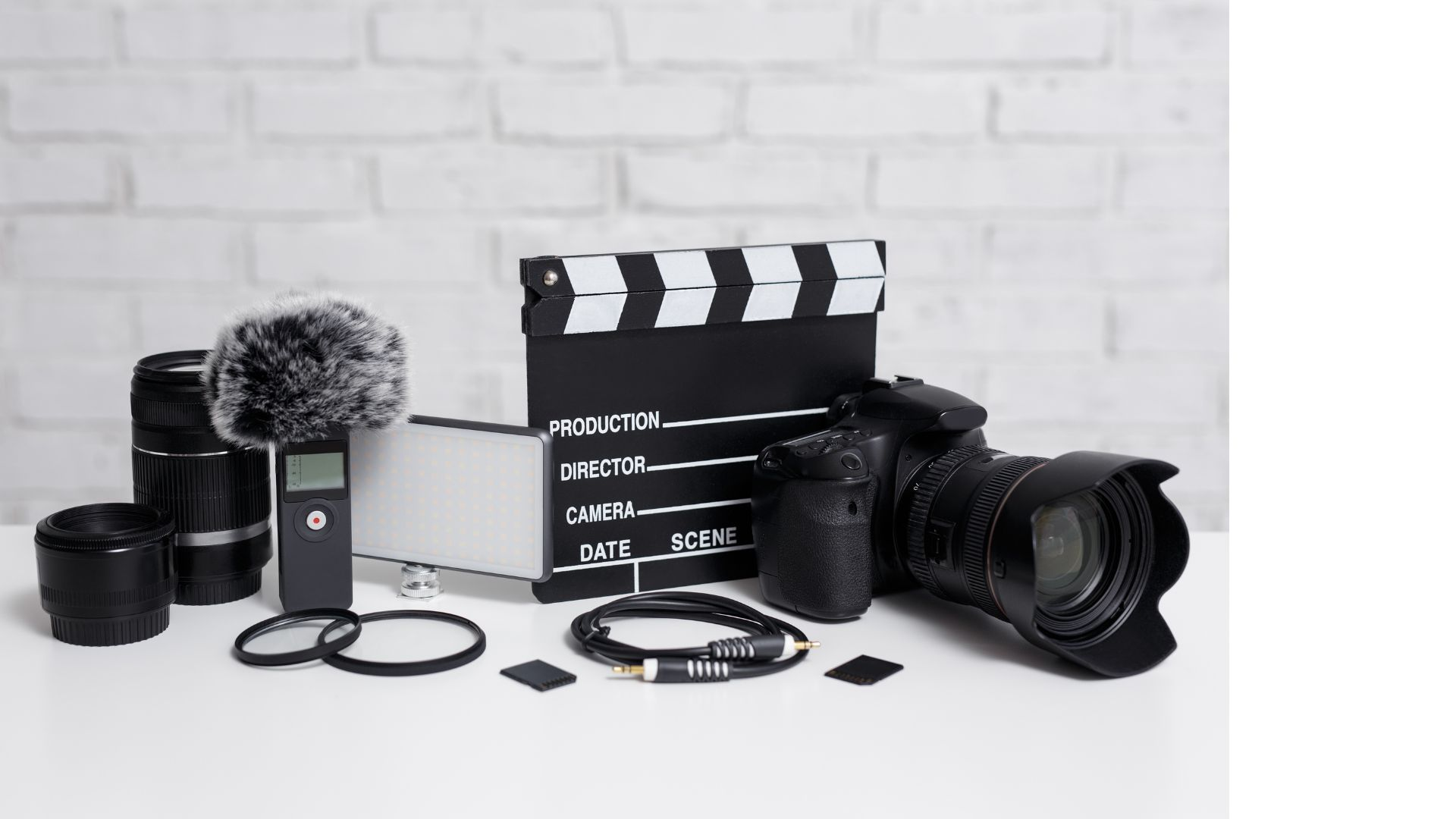
Here is out list of the top 8 pro church videography tips for you and your team. These tips work for churches of all sizes with all different styles and levels of video experience. We encourage you to take these tips to heart and start to implement them in your church videography.

Let’s jump in.

1. Plan Your Content

Firstly, planning your content is crucial for creating impactful videos that resonate with your audience. It starts with understanding what makes sense for your church and its goals. Consider the message you want to convey and how you can best communicate it through your videos.

Determine the best use of cameras and equipment to capture high-quality footage that engages viewers. Whether you’re sharing sermons, testimonies, or community events, having a clear plan ensures that your content aligns with your church’s values and mission.

Additionally, think about the future of your content. Will it be shared on platforms like YouTube or social media? With that sort of knowledge you’ll know what aspect ratio you should shoot in, if you need to shoot B-roll, etc.

By planning ahead, you can create videos that are relevant, compelling, and ready to reach your audience wherever they are.

2. Make the Most of Your Equipment

Secondly, making the most of your equipment is essential for producing high-quality church videos. Start by focusing on audio quality; invest in good microphones and ensure clear sound to capture sermons and music effectively. When dealing with low-light conditions, adjust camera settings or use additional lighting to enhance visibility and clarity.

Pay attention to audio levels to avoid distortion or background noise that can distract viewers. Familiarize yourself with your camera’s features and settings to optimize its performance for different filming scenarios. By maximizing the capabilities of your equipment, you can create engaging videos that convey your message clearly and professionally, fostering a meaningful connection with your audience.

Remember, even with basic gear, thoughtful use and understanding can make a significant difference in the quality of your church videography.

3. Focus on Storytelling

Focus on Storytelling

Storytelling is the heart of engaging church videos. Every video should have a story that captures the essence of your church’s message and mission. When recording events, look for the narrative thread that ties everything together, whether it’s a worship service, community outreach, or special occasion.

Start by identifying the key elements of your story and how you want to convey them to your audience. Use visuals, interviews, and narration to bring your story to life, drawing viewers in and making them feel a part of the experience.

When focusing on storytelling, you can create videos that inspire, educate, and uplift your congregation, fostering a deeper connection and sense of belonging within your church community.

4. Optimize for Online/Mobile Viewing

Optimizing your church videos for online and mobile viewing is crucial for reaching a wider audience. Start by considering the aspect ratio and resolution of your videos to ensure they display properly on various devices. Keep shots concise and engaging, capturing viewers’ attention from the start.

When editing, choose a format that is compatible with popular online platforms like YouTube and social media. Incorporate multiple angles and perspectives to add visual interest and depth to your videos. Consider adding subtitles or captions to make your content accessible to all viewers.

By optimizing your videos for online and mobile viewing, you can expand your church’s reach and make a meaningful impact in the digital world, reaching people wherever they are.

5. Make it Personal

Making your church videos personal is key to connecting with your audience on a deeper level. Share personal stories, testimonies, and experiences that resonate with viewers and reflect the heart of your church community.

Use real-life examples and relatable anecdotes to illustrate key messages and values. Incorporate interviews with members, volunteers, and staff to showcase the diverse perspectives and voices within your congregation. When filming events or services, focus on capturing genuine moments of emotion, joy, and connection.

When you make your videos personal, you create a sense of authenticity and intimacy that strengthens the bond between your church and its members. Viewers will feel valued, understood, and inspired to engage with your content. And in the end… isn’t building community the whole point?

6. Include Visual Variety

Include Visual Variety

Including visual variety in your church videos is essential for keeping viewers engaged and interested. Use a mix of different shots, angles, and perspectives to create visual interest and appeal. Incorporate close-ups to highlight important details and emotions, wide shots to establish context and setting, and medium shots to capture interactions and expressions.

Experiment with camera movements such as panning, tilting, and zooming to add dynamism and energy to your videos. Introduce visual elements like graphics, text overlays, and transitions to enhance storytelling and reinforce key messages.

By including visual variety, you can create engaging and dynamic church videos that capture the attention of your audience and leave a lasting impression.

7. Keep Consistent Branding

Keeping consistent branding in your church videos helps viewers identify and connect with your church’s identity and message. Use the same colors, fonts, and logos across all your videos to create a cohesive and recognizable visual style.

Maintain a consistent tone and messaging that reflects your church’s values and mission. Whether you’re sharing sermons, testimonials, or special events, ensure that your branding remains consistent throughout. Consistent branding builds trust and credibility with your audience and reinforces your church’s unique identity.

When you keep your branding consistent, you create a cohesive experience that strengthens your church’s presence and impact in the digital space.

8. Never Stop Improving

Finally, we want to challenge you to never get comfortable and never stop improving. There are always better ways you can engage your audience and convey your message effectively.

Continuously seek feedback from your congregation and viewers to understand their preferences and areas for improvement. Stay updated on the latest video production techniques, equipment, and trends to keep your content fresh and relevant. Invest in training and development opportunities for staff members and volunteers to enhance their skills and expertise in video production.

Experiment with new ideas, formats, and styles to keep your videos engaging and exciting. Be open to learning from your mistakes and iterating on your content to make it better with each iteration.

By adopting a mindset of continuous improvement, you can create church videos that inspire, educate, and uplift your audience, fostering a deeper connection and sense of community within your church family.
Church Videography

Church Videography

Church videography serves as a powerful tool for connecting with congregations and spreading messages of faith and community. By implementing the tips discussed in this article—such as planning content, maximizing equipment, and focusing on storytelling—churches can create compelling videos that resonate with viewers.

Embracing live streaming and optimizing for online viewing further expands the reach of church videos, fostering a sense of connection among members both near and far. It’s important to remember that consistent branding and continuous improvement are key factors in enhancing the effectiveness of church videography efforts.

By prioritizing authenticity, creativity, and engagement, churches can create impactful videos that inspire, educate, and uplift their communities, strengthening bonds and fostering spiritual growth for years to come. With dedication and vision, church videography can serve as a powerful medium for sharing the message of love, hope, and unity with the world.

We pray you have success and fulfillment as you continue to improve your videography. God bless you and your church!

Further Resources on Church Videography

View Full Transcript

Episode Transcript

[00:00:00] Speaker A: A lot has changed in the last few years, and video is now more important for churches than it's ever been before. But a lot of churches don't have a team built up that's really great at videography. And in this conversation, we're going to unpack eight tips that'll help take your church's videos to the next level. Let's do this. You're listening to the reach, right? Podcast, the show dedicated to helping your church reach more people and grow. [00:00:30] Speaker B: Well. [00:00:30] Speaker A: Hey, guys, I'm Thomas. [00:00:31] Speaker B: And I'm Ian. [00:00:33] Speaker A: And today we are talking about church videography tips to help you better engage and captivate people's attention. So I think this is one of the more important topics that we can talk about now because video has become, like, just in our time. Ian, you and I, working with reachrite and doing what we've done. Video has gone from something that very few churches did to almost every church needs to do or does, and to varying degrees of success, I would say. [00:01:02] Speaker B: Right. [00:01:03] Speaker A: But there's no understating the importance of video now, am I right? [00:01:08] Speaker B: Yeah. Oh, you're definitely right. As a matter of fact, I was just thinking of when you said it, Thomas was back in the day when we started first consulting with churches and helping them with websites and other various church marketing. It used to be that only like the 3400 member church and up as far as average weekly attendance, could pull off doing some video. And now I see all different small churches, big churches alike, that can too now, at varying degrees, of course, but can pull it off. And with technology now, and even quite simply a smartphone, you can pull off a lot more than you may think. So, yeah, I think it's good. I think every kind of church, big, small, everything in between, they have some real opportunity with this now. [00:01:55] Speaker A: Yeah. And there's lots of different ways that we can be using video. I think when we think about this, most churches think about their sermons. That's the first thing that comes to mind, is videoing your weekly services, or specifically the sermon portion. And you and I were doing this right when the pandemic happened. And that's when every church in the world started saying, oh, no, we need to start doing our sermons online and let's get those filmed. So there was an urgency that everybody adapted that then, and that's why there was this run on cameras and microphones and all this stuff, because everybody, not just in churches but all over the world, had to start doing these things digitally. But I think that it's bigger than just we talk about this today specifically. It's more than just filming your sermons that we're talking about. So I think things like content for your church website, for visitors, things like background and broll footage on your big welcome video, maybe like a more delivered welcome speech that would be on your website. So a video produced for first time visitors. We're talking about one of the biggest opportunities is making video content for social platforms. So we're talking about reels and TikToks and YouTube shorts, that kind of content, which I think is only growing in its importance. So there's those videos, there's other promotional videos that your church might be doing. We just released a video last week about church highlight videos. So those videos from camp or other things that have happened with students or VBS or something where you want to make a video highlighting an experience that happened off site at the church or at some other place there. So there's no shortage of. We can't list all the different kinds of videos, but I think that every church now should be really taking a look at how we can use video to make a bigger impact on our members and on people that are not yet members of our church. And so in this conversation, we wanted to give you eight tips that we've picked up and we've kind of worked with our video editing team here as well at retrieve to kind of come up with some of these ideas that are things that you need to be thinking about as you're really exploring and moving into doing more video as a church. So I think it should be a good conversation for us today. [00:04:12] Speaker B: Agreed. And we needed the help from our video editing team, didn't we? [00:04:16] Speaker A: Yes, we did. Well, here's the thing that I know that I play a big part in. You and I, we film our own content here in our offices and our own studios and things, but we have editors that help on the back a lot. But here's the thing that I think I'll start with this first one. The first tip is to plan your content and really be diligent about planning the content that you want to be putting out there. One of the things we talk about in so many of our episodes when it comes to making content is this idea of consistency. If you are going to be putting out your sermons, if we're just talking about that, that's one thing. But if you're going to be doing regular short form videos on YouTube, shorts or reels or on TikTok, you want to do that consistently. Because here's what we found is that in every church I've worked with, if the idea is that, hey, we're just going to make a reel whenever we kind of feel like it or want to do it, you're going to make like one or two reels and then you'll make a reel again in like four months. So nobody ever really feels like, because it's a lot of work to make this kind of content and to do it well, it just takes a lot to make it happen. So you need to actually be consistent. And the way that you can be consistent is by coming up with a plan for your content. So here at Reachwrite for our videos, we have a spreadsheet for really all of our content. And for us it's podcast episodes like this, long form videos, six different reels and short form videos every week, blog posts. There's so much that we do as far as content here at Reachwright, but for a church, you have your sermons that you obviously have some kind of a schedule there. And I think it's a good way to compare it is that most pastors don't operate on a, on Friday, I'll figure out what I'm going to preach this coming Sunday, kind of an approach. If you do, God bless you. I couldn't do that as a pastor. That's really hard. Most of us have some kind of a forward thinking schedule of, hey, we're going to talk about these topics in these passages on these days from this book of the Bible. This person will be speaking. And the further out that's planned, the better off we are in a lot of cases. So the same thing goes for your video content. Have a plan of the things that you want to be putting out there, the videos you want to be creating, the shorts you want to be making that kind of stuff, and then all you have to do is execute the plan. That's one of the keys to staying consistent, I'd say. [00:06:38] Speaker B: Yeah, and it makes it attainable. If you don't have a plan, then what is the saying? If you don't plan to win, you plan to fail. Right? So there you go. So next one, this is a good one. Make the most of your equipment to encourage churches. The first thing I would say is, yes, if you can invest in high dollar video equipment and editing and software and all of that, then that's great, but you don't have to. So you can make the most of what you do have. So we were just joking about how it used to be only the larger churches that could pull off video years ago. But now we would recommend something more than an iPhone. But let's just say you even just have an iPhone. It's more about the person shooting the video and the editing that you do. And you'd be surprised how many apps and software apps there are out there, or just what's built in to your phone already that can really make good quality video on a phone. Or maybe it's not just a phone, maybe it's just not a super high end camera or something like that. So make the most of it, though. That does mean that if you are on well, whether or not it's a large budget or not, especially if you are investing in high dollar equipment, you definitely want to make the most of it and make sure you're editing things well. But even on a lower budget, make sure audio just the way that it's being shot, background stuff is dealt with and cut out. So you can really make sure that you can do these different kinds of things to make it effective. [00:08:13] Speaker A: Ian, a few years ago, you and I went to a church conference. We used to go to a lot of conferences, and we would talk about back when we just did church websites as our primary thing that we did as a company there. We would go to conferences, and I remember we went to one called the WFX conference, where they would sell, like, it was basically stage and equipment and those kinds of things. And I remember one year we went to it, and we were right across from some company that was basically doing sound and video setups for churches. And I remember they had all their latest and greatest stuff, and there's like these $400,000 cameras and these things that are on boom stands that are. It's just incredible. But I got to tell you, the vast majority of content that we watch on online platforms is not shot on enormous cameras that are costing hundreds of $1,000. They're shot on usually, like, mirrorless cameras, dslrs, sometimes iPhones or pixel phones or whatever, samsung phones. All of the cameras, like basically any camera you have on a phone is so good today compared to what they were, to compare to even what great cameras were ten years ago. It really is out of this world. The things that are at our fingertips. So if you were to invest in some areas, the things that a lot of times we miss is we think about, oh, we got to have a really good camera, and you don't have to buy expensive things in these areas. But I think two things is microphones and lighting. Those two things make an enormous difference. There's no way an easy way to kill a video is just bad sound. And the sound coming from whatever camera you're using is not good enough for any kind of normal talking head video or even like, crowd sounds. You need some kind of another microphone. It doesn't have to be expensive. You could buy decent wireless ones. I know I use a rode microphone. There's the DJI microphones. They're 100, $200 to have decent microphones you can use. And you probably already have one if you're preaching with a lapel mic or some kind of a wireless handheld or something. So you want to put in a little bit of money there and then some lighting. You and I know that that's something that we just got some new lights that you're using for the first time there today and working out some kinks with, but it makes all the difference. Let me just show our audience here real quick. So the kind of lighting, let me just kind of as a bit of a demo without lighting. This is what it looks like where we are here. So the camera will adjust over time, but it makes an enormous difference having the right kind of light set up on things here. So make the most of the stuff that you have. It doesn't have to be expensive. We have maybe $200 worth of lights in here. So I think between a phone and a few hundred dollars, you could make killer videos if you know what you're doing there. So, good stuff. [00:11:05] Speaker B: Yeah, that is good. [00:11:06] Speaker A: All right, next one is focus on storytelling. This is one of the keys to anything. It's really the equipment and the plan and all that. None of it really matters if you can't tell compelling stories. So whether you're talking about testimony, videos, or the reason why a first time visitor should come on your welcome page, or you're making some kind of a reel, the only reason why people watch is because they're going to be engaged with the content. So don't neglect this is that every time you're going to do a video, don't just think about what you need to get across. So, for instance, if you're doing a welcome video for your church website where someone can see before they show up for the first time, you don't just want to tell them, hey, it's at 10:00 it's at this address. And that's it. You want to tell the why. You want to tell the reason and the story behind it, and you want to do it in an engaging way that makes them say, I feel like I could go to this church and I relate to this person because that's what people engage with is the stories that they hear. So focus on the story in that spreadsheet of different topic ideas or videos you want to make. Put the story in there, write it out. This is what we want to talk about as our story. You don't have to write out every word of it. I don't think that most churches should be reading scripts for these kinds of videos. But you do want to have at least an outline of the things that you want to talk about and the stories you want to tell so you can go in and really have something to say that's of interest to people. [00:12:33] Speaker B: Yeah, storytelling, we always hit home on that when it comes to just creating content in general, if you want to be so. Yeah, not much more to add there. Thomas, you covered that actually pretty in depth there. Next one's a big one. I would say you want to make sure you optimize for online and mobile viewing. So obviously we know most people are coming by way of smartphones and mobile devices. And now the big thing with video is long form video for shorts, reels. You want to make sure it's optimized for that again. So just like everything else, just like people are googling and getting onto your website on a social media, they're going to be viewing your video from mobile as well. [00:13:14] Speaker A: Yeah. If you want to stay young, if that's your goal, as someone who's in his first half of his ways, to feel young is to stop holding your phone like this when you take pictures and instead hold it like this when you take pictures with one hand and just shoot vertically. Because kids, I learned this from my own children, that this is something that, because I think like everybody else, I took pictures horizontally most of the time because that's what we do. But in most cases, for social media platforms specifically, it's going to be better. When you create these things in a vertical format, you'll have better things. Now, obviously, we're recording this in horizontal format because our primary place that we put it is YouTube. And you'll notice that some people see this content. We repurpose a lot of it for shorts and TikToks and those things. But because we're in the middle of our screen here, we can be cropped out and it usually works pretty well on a vertical device as well. So anyway, flip your phone. It'll help you feel younger and you'll make better content that way. [00:14:16] Speaker B: My 15 year old daughter saw me doing a horizontal video or a photo at a sporting event. And she was like, dad, why are you holding your phone that way? Loser. I know. So you're right. So I made that adjustment quickly to be cool. [00:14:32] Speaker A: We're going to become Fred Flintstone, all of us. Horizontal holders, basically. All right, next one is make it personal. Your videos. People care about the people that are in your videos. I talked about telling stories, but make the stories personal stories. And that's where you really get the stakes that are involved. And by stakes, I mean like the reason why it matters is because of people. In the end, people. You might have a really beautiful building. And it's good to have what we'd call an establishing shot a lot of times, which is usually like a picture or a video of your building or a drone shot of your campus or something like that to set the tone of what we're looking at. But in the end, what people are going to engage with on your content is the people and what they feel. People like them, their experiences and what surprised them and those normal human emotions. So it's pretty simple. But just remember, in every single video, ask yourself that question, how are we making the stakes personal in this? How do we make it matter for the people that are in the video? And then also, how do we make our audience, how do we make it personal for them? How do they get invested with it? So that's a little piece of advice we found to be helpful. [00:15:45] Speaker B: Here it is, same thing. Like we said, we got our start helping churches with just websites back in the day. And that was the number one thing we would say is don't just have on your home page. And I still see this to this day after a decade and seeing thousands of sites. Don't just have a shot of your building. Let's make it personal. Let's get more people in there. Same thing with video, and it's not always people, but it needs to be engaging and it needs to be relatable. So that's good. [00:16:14] Speaker A: Next one. [00:16:15] Speaker B: This one's an interesting one. Include visual variety. When I say that, you definitely want know keep things spicy with variety, as they say, and have a lot of different kinds of shots, angles. This could be kind. This I think. Correct me if I'm wrong, Thomas. This will have a lot to do with while there is editing. You can do has a lot to do with the person that's actually taking the video, understanding different angles and those things to mix it, right? [00:16:45] Speaker A: Yeah, yeah. I think, you know, we do a pretty simple podcast. So for these videos, it's just one camera dead on. We would love to get to a place if we had more staff and people to do it. But having multiple camera views of the same subject, I think that's a great way. If you're doing like a testimonial video, I would really encourage you to have multiple camera angles there. So usually one that's going to be dead on, and then you'll want another one that's coming in at like a 30 degree to 45 degree angle from the side, where they're not always just looking right at the camera at any given time. It just adds some variety there. I think the big thing here is plan on having lots of footage of life at your church to be used as broll footage on all of your videos. So there's lots of ways to do this. And I think that the mind today, if you were to do a welcome video, again, back to that example where it's just a pastor looking at a screen, at a camera for 90 seconds, talking like this, I think that wouldn't do as good a job of engaging as having 4 seconds of the pastor looking at the camera and talking. And then maybe a different angle of him talking. And then broll footage of kids having a blast, having a water balloon fight at the last youth group event, and then people hugging in the foyer, and then that same pastor dunking someone in the water and pulling them out in a baptism. That's going to engage someone much more. And again, it's back to that storytelling and some of those things that happen there. But you want to think about these kinds of things in your videos. And again, you need to have a plan for that. So always go in. Before you even start filming a video, think about what are some interesting ways to create some other angles or broll footage that we could possibly use in the production side of things here. So the truth is that you're not going to use a lot of this footage. There's a lot of stuff that's going to be wasted. That's okay. You're not paying for film like they used to 20 years ago. It's all just digital, and you can delete it and be done with it. But you will want to have broll footage. It'll make things much more interesting. And we talked about this in David's video that he did last week. Starting to create a catalog of b roll footage at your church. Every time you create, know have little three second clips of worship happening, or people on their knees or whatever makes sense in your church context, having that there ready to go. This stuff can be used in multiple videos. You can use the same footage at other times and it's totally good to do that. So anyway, have a lot of variety. I think that'll help people. [00:19:18] Speaker B: That's good. [00:19:19] Speaker A: Awesome. All right, next one is keep consistent with your branding. This is really important, especially for social media channels, is you want to have a consistent look on all of your videos so that people will know, oh, this feels like a first baptist video. So that when they've seen you before, they'll know, oh, I know what this is, and they'll be more likely to stick around on things. So what this looks like is using consistent fonts. Whenever you use fonts on your videos, use ones that are consistent. If you're going to use other colors in your video, use those consistently. So maybe you have certain words stand out in your text and you use green. We'll use your brand's green for that video every single time or whatever your church's color is and make sure that always stands out that way. Maybe you have branding can be like more than just the look and feel. It can be the things that you say. So if you have a certain vision or parts of your values, maybe you have a few core values as a church and you want to be using those in all of your videos. That's a good idea. Is asking yourself, hey, which of our values does this video move forward when we put it out there? So some of those kinds of things just helps it to feel familiar to your audience. And it'll help people stay more engaged if you do stay consistent with branding. [00:20:37] Speaker B: Well, yeah, and let's face it, you're trying to get people's attention and it's a challenge to do that in the sea of videos that they see all day. So I completely agree, Thomas. If you have some consistency and familiarity, it makes you more memorable. And again, with everyone being in a rush if they see that. And I've seen this with my church, by the way. Like if I'm on social media and I'm scrolling down, I know what my church's video looks like and I am basically less likely to engage with that than to just keep thumbing down. So it really makes a big difference. Good. Last but not least, never stop improving. We kind of chuckled when we were talking about this point earlier before doing the podcast, but honestly, it made me think of just what we've tried to do here with all of our efforts. Like, it is easy. We've done, what, 183 some od podcasts, Thomas. And it's easy to kind of just get in the grind. But we got a comment, maybe it was a year ago or so that someone just said, you know, Thomas, your video quality is just so much better than Ian's. What's going on over there? What can he do differently? And this gentleman was right. And I've had the challenge of having different lighting. I've had the challenge of being a lot whiter and getting drowned out or washed out. So all that being said though, I've really tried to up my game and things like painting my wall behind me, things like investing in better lighting and trying to figure things out. It really. It's those little things and we always are trying to improve that. Even if you get a plan, like we've said, if you get a plan and you stick to it of certain video content, always be thinking, how can we improve this moving forward? And it makes a big difference. If you're going to put in the work, why don't you want to continue to invest in making it better? [00:22:34] Speaker A: If you take a look at our earlier videos, it was laughable how much, especially me, they were. [00:22:43] Speaker B: Too. [00:22:43] Speaker A: But yeah, I was looking at a little Easter egg for people that are maybe watching our podcast. I was wearing this exact same shirt in the first video that we ever did at Reachrite, I think, I don't know if it's the first one on our YouTube channel, but if you want to go and take a look, you'll find like a 1 minute video of me just talking. And it's terrible. And I have intentionally not deleted it's. It's on there for everybody to see because we want to be open about this, that our earlier know, it's laughable now. The things that we did, you and I had these giant headsets on our heads when we started this stuff here. [00:23:20] Speaker B: And the thing is, video game headset that I had to use the PlayStation. [00:23:24] Speaker A: Exactly. So you realize that when you first start out, you don't have a big audience, and so it's okay and you start doing this. And this is the same for everybody. You can go back and look at Mr. Beast's videos when he first started, and they're laughably bad by today's standards. And the things that he does today know, clearly one of the best, at least YouTube video producers, he is the best at that. So it's really kind of a trip to think about. But that's my encouragement to you, is if you're just getting started in this as a church, just realize that you're not going to be the same today. And every single time you make a video, you have a chance to improve and do better. And if you stay consistent with it, you will get better at these things. So yeah, just trust that, trust the process and know that you're going to improve every single time. And that's totally okay to do that. [00:24:15] Speaker B: That's it. [00:24:17] Speaker A: Good. Anything to say as we wrap up, Ian? [00:24:19] Speaker B: No, you can do it. And it's worth know for pastors and ministry leaders, it's worth taking the time to plan it out. It's worth making what investment you can, or again, making the most of what you're using already. So we hope this encourages some churches to get creative out there. And at the end of the day, this is to engage more people, to lead them to what the Lord is doing at your local congregation. So that's what the main goal of all of this is for. Right? [00:24:45] Speaker A: So engaging people with the gospel. That's exactly right. So hey, if you have any questions, it's not just Ian and I. Our whole editing team here at Reachwright, they're happy to chime in on any questions you may have. So drop us a comment down below, hit that like and subscribe button button. Yeah, we'd love to see some of the. If you have any questions on how to better do church videos, you're looking for some feedback on yours, drop us a line, we'd be happy to chat more about that. So thanks guys, for being a part of the Reachwright family and we'll see you next time. [00:25:13] Speaker B: See ya.

Other Episodes

Episode 0

August 06, 2020 00:37:58
Episode Cover

8 Ways Online Services Should Be Different From In-Person Services

In today’s episode, we do a deep dive into some of the challenges churches face as we switch over to online services. Just because...

Listen

Episode 0

August 10, 2023 00:26:29
Episode Cover

How to Make Your Church Website More Eye-Catching

In the digital age, your church’s website is often the first point of contact for potential visitors. It’s the digital front door of your...

Listen

Episode

October 24, 2024 00:19:32
Episode Cover

Prioritizing Pastoral Self-Care: Balancing Ministry and Personal Wellness

Are you a pastor who struggles to balance your ministry responsibilities with your physical and spiritual health? If so, you’re not alone. Ministry is...

Listen