Episode Transcript
[00:00:00] Speaker A: If it's important to your church to reach people in 2024, you need to get serious about search engine optimization for your church. Because in the end, every person that finds your church on a search engine is someone that can visit your church and someone who can become a part of your church. And in this conversation, we're going to unpack some of the tips and tricks that we've picked up to optimize your church website to reach more people. Let's do this.
You're listening to the Reachwright podcast, the show dedicated to helping your church reach more people and grow well. Hey, guys, I'm Thomas.
[00:00:38] Speaker B: And I'm Ian.
[00:00:39] Speaker A: And today we're talking about essential SEO strategies for churches.
These are tips that we have found and implement for churches that will actually help your church see more visitors on your website, which will lead to more visitors on Sunday morning. And these are proven, tried and true. We wanted to get some of these details out there to you. The thing about SEO, too, is that it's changing all the time. The things that worked for us in 2017, 2016, the things we did for SEO back then, that stuff is a waste of time. Nowadays, the things we need to do now, I think are just totally different. And we want to unpack some of those ideas. What we see working for churches to help you see more visitors on your website and therefore grow your church on Sunday mornings, that's what it's all about for us. Yeah.
[00:01:28] Speaker B: And I like, Thomas, that right off the bat, you're emphasizing that SEO is about not just getting more traffic on your website, but then in turn more traffic into your church. Because I like that. Not only is that what it really is all about at the end of everything that a church should be doing online is to try to engage people. But often, I think SEO, because of the technical sounding nature of it, maybe pastors, ministry leaders can forget. At the end of the day, that's something to help you reach more people.
[00:01:57] Speaker A: So.
[00:01:58] Speaker B: I like that.
[00:01:59] Speaker A: Yeah, it's something we have to remind ourselves of, right? Because SEO is as funny as it sounds to say, SEO is about souls, right? That's what we're trying to do. We're trying to reach more people. We want to see more people hear the gospel message. And yeah, you're exactly right. When you're getting into the weeds of site speed optimization and keyword research and things, it's hard to remember that this, but it's very clear. Like the proof is in the pudding.
Maybe. I can't say for a fact, but I am highly like 99% confident that there are people that have become part of churches that I have pastored because of the SEO work that we did. And therefore, my faith leads me to believe that there'll be people in heaven because of SEO work, that their relationship started because of SEO work. I remember this is one of my favorite things I would ever hear from people when I was pastoring in Madison, Wisconsin, I remember that I heard this over and over again. People would come to church and say something to the effect of, it was so weird. I was just searching for something. Like, I remember one girl specifically said, I was just searching for events in Madison this weekend, and your church website came up, and I figured, like, I should probably come and visit a church now that I'm here. And she wound up coming and grew. She was a Christian already, but she wound up loving our church and becoming discipled. And just these kinds of stories happen over and over again. And I usually, as a pastor, would kind of like, play dumb a little bit, like, oh, that's so weird that that turned up for you when it was very intentional, that we were trying to attract people and get more people to see our content on the website through SEO. But before we get into the tips, Ian, I think maybe it's important that we spend a few seconds defining our terms. So I want to hit two things. So, first of all, if you're listening to this episode, and maybe you're frustrated already because you don't know what SEO is.
SEO. It means search engine optimization. So how do we optimize our website for Google specifically, but all search engines? So that when people search for things like churches near me or youth groups in my city, or even broader terms like homeless shelters or whatever ministries you may offer at your church, how do we make it so that our church and its best performing pages on our website show up when people do those searches? So there is absolutely science behind this, and there is lots of competition for these kinds of things. And when I say competition, the thing to remember is we're not necessarily competing with other churches. Really. In most cases, we're on the same team as them, but we're competing. Like, one example that I've seen actually work for one church is that they started to rank when people were searching for divorce. And should I pursue divorce? And the people trying to rank for those terms are divorce attorneys that get money when people go through with divorce. And so when churches can rank for that and compete against lawyers and people trying to encourage people towards divorce, what an amazing thing that is. Right? So we're competing for these kinds of key terms when people are out there looking for them online. So that's what search engine optimization is. One other little caveat. There's no way around this. When it comes to search engine optimization, the saying that content is king is very true. And just the fact is, without content on your website, I mean text content, actual words on your website, it is impossible to rank for anything when people are searching for it. So you need to find ways to consistently make new content on your website if you want to be serious about search engine optimization. Now, the good thing is that most of us, as pastors and church leaders, we create new content every single week. We're writing sermons, and you can take those sermons and turn them into transcripts, or maybe you already write a manuscript for your sermon, you can put that on your site and that will be kind of the content that you need to build a foundation for search engine optimization. So a couple of caveats. I wanted to get out of the way before we started, but that's good. Yeah. Anything to add to those two, Ian?
[00:06:10] Speaker B: No, I think it's. I find, as you know, I'm on the ground, talked to so many pastors that more pastors, ministry leaders are familiar with that term, but not everyone is yet. It is a technical term, so that's good to identify Thomas, for sure, before we jump into the specifics of it.
[00:06:26] Speaker A: Cool. Okay, we got that cleared up, so let's get into it. The first one we came up with is that in order to kind of the SEO strategy you need to focus on is utilizing keywords for search engines. You need to spend some time thinking about what are those keywords that people would be using when they're looking for organization or a church like mine. And if you stop right at the front like, and you say, well, they're probably searching for churches. That's true. Yeah, they're probably typing in church or churches or church in my city or church near me. Those kinds of terms. Yes, that's absolutely something that you need to be cognizant of. That will be probably the best term for your website. So you want to make sure you're optimized. And this is a mistake that I do see some churches make, especially churches that do not have the name church or the word church in their name. Right. So I for years pastored at a church called Hope Chapel, where we weren't called Hope church, we were hope chapel. And so it would be a major mistake for a hope chapel to write the word chapel, chapel, chapel over the site, because very few people are searching for chapels near me. Right. And if they are, they're probably looking for a place to get married, not a place to visit this Sunday. Right.
You want to make sure you're using that key term, but go beyond that. You want to do some research of what are some of those things that people might be searching for. So kids ministries and youth programs and seniors ministries and worship services and some of those kinds of terms, and you want to be using those on your site. So we've done other podcast episodes. We can link to them in the description that talk all about some of the ways we recommend churches do keyword research. But you need to be thinking about the words you're using on your site.
[00:08:14] Speaker B: That's right. And one other thing, you covered all of that? Pretty much. But one other thing too is having.
Think of it as content too.
[00:08:22] Speaker A: Right.
[00:08:22] Speaker B: Keywords are a part of content, like website content and copy. And having content that's of interest to people and of interest means that's what they're doing searches for. So it's a good thing to focus on and make sure you do your homework on worth its weight and gold.
[00:08:39] Speaker A: Yeah, good.
[00:08:40] Speaker B: Other than that, next thing is optimize your church website. Well, what does that mean? Well, what it starts with is you want to evaluate your website, see if there's any missing pieces, anything that you need to remove. But mostly optimizing, making sure that you have good images, video, those types of things. Adding a blog is something that we've always preached heavily on. Now, again, you have to count the cost when adding a blog because as we've said over and over again, a blog will take commitment and continual updating and work, but those things will optimize your website to also help you with SEO as well.
[00:09:20] Speaker A: Yeah, when I think of optimization, I think especially on the speed side of that side too. So that's a huge thing. Google comes out and says that this is one of the most important things if your site takes three or 4 seconds to load versus half a second to load. Right. It's not just that people will get bored and move on. That is true. But also Google tells us they are going to demote your ranking if it takes too long for your stuff to load. And this is something that churches are notorious for because we do things like we put like our big event slider as the main image on your site. And those big images, we want to make sure they're high resolution and looking good and they take a long time to load. We do video backgrounds, we do a lot of those kinds of things and they're all great. Well, not the event slider, but the video backgrounds are definitely great and those can be good, but you just really have to make sure that you have it optimized so that it loads as quickly as you possibly can. With those video backgrounds. The way we always set them up is that we do something that's called lazy loading, where it'll start with an image and then as you scroll down you'll actually see more of it. It won't load the entire thing. And for the video backgrounds, it starts with just a steel image and then we really compress those heavily. Remember, they're just in the background so it's not like it's the main video they're watching. We still want them to see the text, but they're catching what you see in those video backgrounds. Yeah, optimizing is a big deal. Yeah.
[00:10:50] Speaker B: Also good hosting as well, and not just the cheap hosting also provides good site speeds and load times too. So that's good. What's the next one, Thomas?
[00:11:00] Speaker A: Yeah, next one is engaging the online community. So you're engaging on.
So what this probably looks like for most churches is when you post sermons on your site or if you're posting blog posts or in your social media channels, make it a policy that everybody that comments, that you respond to them, you engage with them and not just hitting a like button on their comment, actually give them feedback. And it could be something really simple. Usually you want to respond in kind. So if someone makes some kind of a funny quip, you want to give them maybe a quip back, a sarcastic response. If someone puts an emoji, give them another emoji back. So you want to respond in kind. Typically the exception to that is if people are being really negative in the comments or maybe they write, that was the worst effing sermon I ever heard in my life. The best solution with that is just hit the delete button. Don't leave that on your site. Don't feel like just because it'll increase engagement that you have to leave it. You want to delete those. But yeah, just basically when Google sees lots of comments, whether they be on social channels or on your site itself, and lots of interaction, that's a signal to Google that there is a lot of community that's forming around this organization and you should start to see some rank increases when you do that.
[00:12:26] Speaker B: It's interesting you say that for a website because I know you and I again, we've had church web experience for a very long time.
It used to be a thing to have. Now a blog is. This is perfect for the example you're using, right? Because people are commenting and you can respond, but it used to be that. And I get this question still, this is why I'm asking this, Thomas, would it be good for a church to have a prayer wall on their website for this kind of engagement? Would that help with SEO?
[00:12:55] Speaker A: Yeah, absolutely. I think a prayer wall is something that, I think that the challenge with prayer walls is that getting enough critical mass for it to be something that isn't just, hey, one prayer every nine months gets uploaded on there. Right? Right. So if you can actually get the momentum behind it, and even small churches can do this. Right? So a church of 75 people, if someone, maybe ten people a month are posting some kind of prayer request on there, that starts to build some momentum on those things. But I have seen the other side of it, where too many churches are kind of stuck in that there was one prayer request from back in 2021 and that's the last time it was used. That is a detriment to you, and I think Google probably picks up on that too, is that this used to be a thriving community and not anymore. So something to be good to think about. Good.
[00:13:46] Speaker B: No, I appreciate that response, Thomas. And the next one would be used, local SEO. What do we mean? What's the difference between that and what we're talking about? What we're referring to in this instance is kind of off site SEO, meaning it's somewhat tied to your website, but this is doing some SEO work that's not necessarily on your website. Right. So there's local directories, there's online directories where Google is looking for a church's name, address and phone number to be consistent on a monthly basis. And so this takes a little bit of work off of the website is what we're referring to here, right, Thomas?
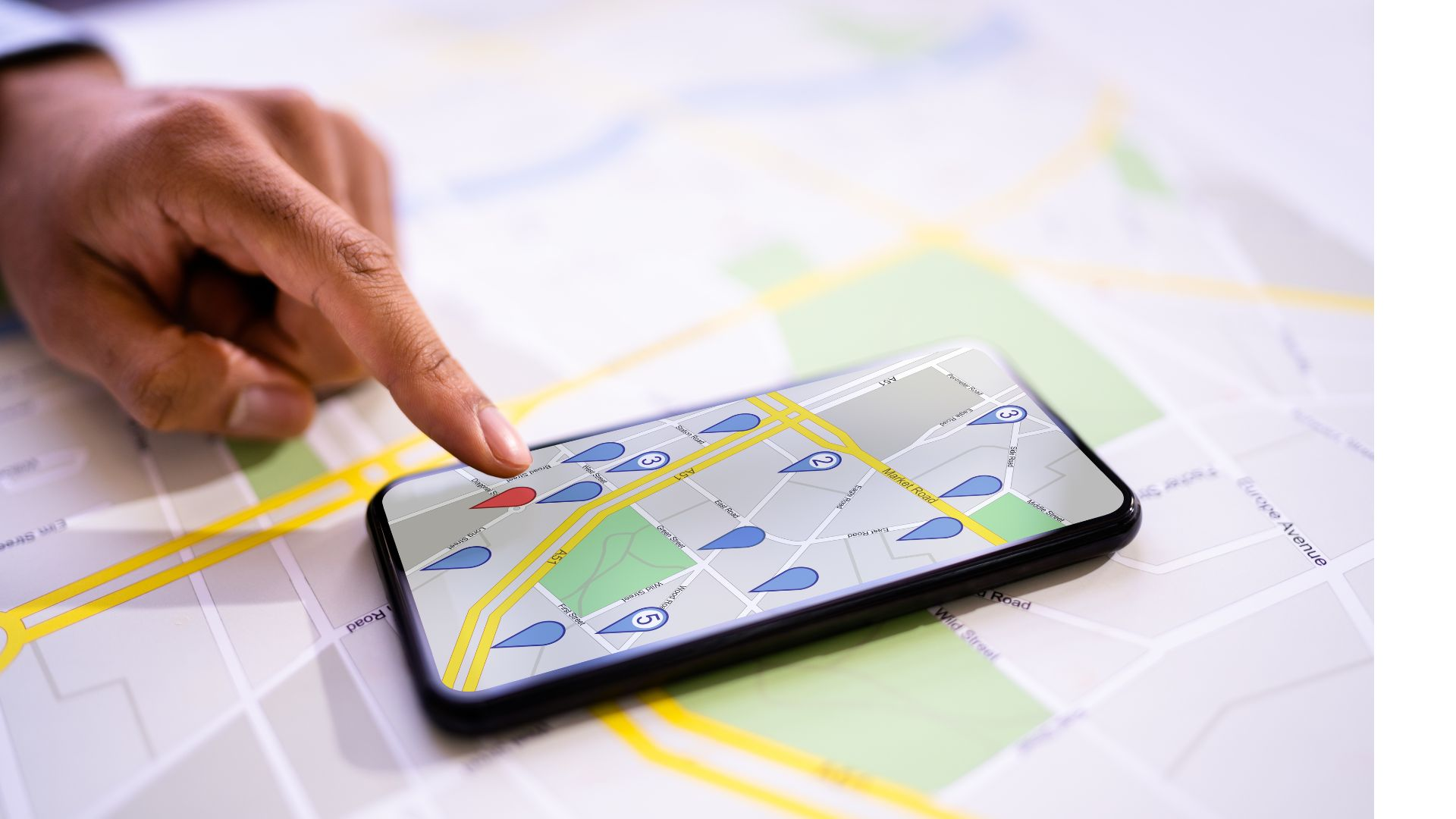
[00:14:24] Speaker A: Yeah, I think so. One of the biggest things is making sure you're in every directory that's available to you. We do this as a service for churches and I think right now we have something like 75 different directories that we wind up listing churches in to help boost their local SEO performance. I think another really big part of this, and again, this is also off your site, is getting people to leave reviews on some of those kind of those sites, like, know, Google reviews is the obvious one. But Facebook and Yelp, even for churches, as strange as that sounds, think of this as something that churches, as a way of delivering testimonies in kind of like a 2020s version of that, people can leave their testimonies and tell about what their experience at the church was and how it made them feel. And so getting those actually helps boost your local SEO. Now, to be clear, when we're talking about local SEO, we're talking about those links that are associated with Google Maps when you do a search, so typically on a normal search, whether it be for churches or plumbers or whatever it is, anything that has a local intent, where you're not just looking for an answer to a general question, Google will try to pick up on that. So I just got back from a trip to the Big island and we looked over and over again for restaurants. And so I would type in something, the effect of breakfast place near me into Google, and sometimes ads would pop up, but then right below that was usually what we call the map pack. So it's like three or four local restaurants tied to a map that Google thinks are the most important restaurants in my area for me to consider. And then below that, you have the organic SEO searches. So for churches, local SEO, it might even be more important than organic SEO, I would say, just because so often people, when they're looking for a church, are looking for a physical place that they can go to.
[00:16:18] Speaker B: Yeah, that's right.
[00:16:20] Speaker A: Really big. Those are the two things I would recommend. There's lots of other stuff you can do. You want to make sure your Google Business profile is really dialed in. But again, getting all your citations on those directory sites and making sure you have people leaving reviews from within your church, those two things will get you a huge leg up in that area.
[00:16:38] Speaker B: That's good. That's good.
[00:16:40] Speaker A: All right, next one is integrate social media. This has really kind of the same effect as the one we just talked about. But you want to make sure that all of your social profiles, so your Facebook, Instagram, TikTok, Twitter, YouTube, all those channels that you have those pages, your channel pages or your main pages, you have those dialed in with your name, address and phone number, and they're properly linked to your church's website. Because Google uses this as a signal for an organization to make sure that these are real people. One of the things that Google is looking for nowadays is they're looking for something called your Eat score. So they want to rank pages and websites that have high eat score. So it's your expertise, your authority and your.
What's the t? I'm not going to remember what the t is in the e score, but it's your technical ability. Basically what they're looking for is that they're looking for stuff that isn't written by AI bots. Right. So what this does is it's a signal to Google. If you have a Facebook page and a YouTube page and you have Instagram pages and there's lots of activity on there and they link back to your website, that's a signal to them that these are real people, a real business, a real organization, a real church, and not just some bot driven farm that's trying to game our system with this here. So you want to make sure you're linking up with that. So I'm going to get back to you on what the tea is in.
I don't remember.
[00:18:17] Speaker B: It's going to be eating at you.
[00:18:19] Speaker A: I'm going to look it up as you're talking about integrating social media or the next one if you didn't have any.
[00:18:25] Speaker B: Next one actually is backlinks. Building backlinks, right? Yeah, that's the one.
So building backlinks. So what is a backlink? Well, that is. Think of it as kind of like an online friendship. Right. So it means other organizations, these could be other local organizations that are linking back to your website. And this is very valuable for SEO because the more other sites reference your website, if you will, the more it's going to give you some search engine optimization know. And I'm sure you'll know of some more, Thomas. But these could be another local outreach organization your church has partnered with or has worked with another something local, community service oriented, maybe a homeless shelter or something like that. Or just could be other ministry partnerships that you have to just make sure that they are referencing you for a local church, if that's what you are.
[00:19:28] Speaker A: Yeah. All right, let me pause there and say trustworthiness is the t. So trustworthiness. And that's what I was getting at with the social media side of things.
It makes them feel like you're real. It's trustworthy. That's right. So there it is. Okay. All right, now, backlinks, these are other than content. This is the second most important pillar, I guess, of search engine optimization is Google. No matter what they say, they are really focused on how many other people and what kind of other sites link back to you. So I don't suspect that most average sized churches really give any thought into this. Right. And I get it. I didn't really put a lot of thought into backlinks and who was linking to us. It's nice to have if someone links to us and everything, but it really does make a big impact on your church. And so I think you're right. That's a couple of ideas, like local ministry partners, other churches, those are usually ways that you'll kind of build some backlinks. A couple of things that I think churches can do. Anytime you have a guest speaker, they probably have some kind of a website, whether it's their church website or their ministry, Parachurch ministry website, encourage them to maybe add the sermon that they preached to their website and link back to your church that way. That's an obvious kind of organic way to do these things here. One thing, this is kind of strange, but one way is offering reviews. So I know that's something that we do at Reachwright and I just kind of picked up on this. One of the interesting strategies is when I use a product, I'm always very quick to directly tell the people that run that organization what I think of their product, especially if I really like it.
For a while, we were using a company that helped us find writers, right? They helped us kind of connect with some people to help us write content here at Reachwrite for some of our clients. And I loved it. It was a great service. And I made a whole point of, hey, I just wanted to let you know I love your service. It's been fantastic for us.
We gave them actual numbers of what kind of increase we saw in our business here. And they took that review and put it on their website, on their testimonials page, and they linked out and they said from Thomas at Reachwright, and they put a link to Reachwrite and that's another backlink that we have. So there's little things like this you can be doing and trying. And we don't really encourage churches to game the system. I don't think you should ever pay for backlinks and say, hey, I'll give you $50 if you put a link to our site out there. That is something that is real. We've tested some of the waters with that here at Reachride. We're doing some tests right now with kind of, it's not quite as simple as like, hey, here's $50 for you to put it on our site, but we're paying for maybe people to write content that reflects some of the things that we're doing there. And it can be very expensive. But anyway, those are just some ideas when it comes to building backlinks. I think for churches, just organically doing these kinds of things is probably your best bet.
[00:22:36] Speaker B: That's good.
[00:22:37] Speaker A: All right, next one. Audit your website. This is an important practice to be in every, I'd say every year or so you want to get into your church website and take a look at the content that you have on there and make sure that it is all kind of serving the right kind of purpose where we're kind of trying to go. This is especially true for all of your fixed pages. So your home page, your about page, your ministries page, your giving page, all that stuff on your site, make sure those are all functioning properly, taking a look at it and making sure that everything's working the way that you hope that it would. And yeah, making any kind of necessary course corrections. If you're looking for some kind of an audit, we do free audits for churches. So if you're looking for that, hop onto our website. We'll put a link down below where you can get a free audit, especially of your local SEO situation and some of those things, but also on your on page SEO. But you want to be looking at this at least maybe once a year and seeing like, hey, what are some areas that we can improve? Can we go back and, well, one thing you'll usually find is that this one page or this one sermon we did is getting like 50% of all of our traffic on our website. What did we do right here? How can we build that so it gets even more traffic? And what can we learn from that one page and apply it to other pages that we have on our site? That's one of the cool things you usually uncover when we do these kinds of audits here. So that's something that's good you can do.
[00:24:04] Speaker B: It's just a healthy thing to do, too, because I've come across so many people that I ask questions about what they're doing or not doing on their website and they're like, I don't know, I haven't even looked at it.
It's healthy to obviously just make sure that your site is performing well for you and also just make sure nothing is wrong. But like you said, see what you're doing well and build on that. But also see what's missing and what you're not doing well and make sure that you implement that. Because even though you may not be looking at your website, 85% of new visitors will be for sure. So you want to make sure it's healthy for that. And also, of course, all of that leads to good SEO and being more visible to reach people, too good. Well, the next one is optimized for mobile. I think you'd think this is a no brainer. By now, I still come across so many websites that are not optimized well for mobile. If you have not done this, you need to do it right away. Most browsing will be happening by way of mobile devices, but this is also important for SEO. Google knows and other search engines know if your website is not optimized well for mobile and they're going to give precedence to the websites that are optimized well for mobile and give them a boost over yours. So making sure, number one, that your website is mobile responsive, that is the term for it, that it's going to respond to any mobile device that it's being brought up on. And then I think in addition to that, even if you have checked that base, because most themes out there now are mobile responsive, but you still may not be fully optimized for mobile. And depending on how your navigation is and how things are loading and how they're coming up on a phone or images missing on a phone compared to being seen on a desktop and so on and so forth, so healthy thing to do.
[00:26:04] Speaker A: Yeah, I think speed is the big thing for mobile optimization too. So obviously you want a responsive site that fits on a screen. They don't have to scroll left to right and those things, and you want them to be able to hold their phone vertically and be able to read with just a thumb, basically whatever you want to say. But beyond that, it's just a speed question.
The data seems to show that when people are not on wifi connections, but they're on just cellular connections, their data is slower. So getting those images really optimized for the size screen that they're on so they're not too large. That's what we're talking about typically. So speed plays a big part. That's good. All right, 9th and final is you want to track and analyze your data. So we recommend that you take a look at two things. I think I'd encourage you primarily towards one. So the first one is Google Analytics. You want to use Google Analytics to kind of see your overall data, but when it comes to search engine optimization, the primary tool we use to measure is going to be Google search console. And what this is is it's a lot like Google Analytics. It's just only traffic that's coming from search engines. So you want to be taking a look at this probably monthly, I would say, and seeing, hey, which pieces of content again are performing well, which ones aren't, which ones are losing traffic, and you're going to see all kinds of trends you're going to notice that your Christmas message from last year does really good in the month of December. You're going to notice that Easter stuff does good around Easter, but you'll see other things. I find that a lot of times when churches talk about topics that are more controversial, whether they be women in ministry or LGBTQ issues or whatever, it would be that those kinds of sermons will tend to get more traffic and that people are searching for this kind of content. They're looking for things in that area.
So you'll want to know this. I think this is important things to do, not that you would necessarily let that dictate what your preaching calendar looks like. We're going to preach about whatever's most controversial.
We're different in that way. But I think it's just helpful for us to know this. What are people searching for? And if we realize that half of our people that are visiting our site come because they saw a message that we preached on biblical marriage and what it means in 2024, well, that's going to say something about how we ought to approach things in our new believers class and what we should be talking about here. And so that kind of stuff. So there's so much data. I would definitely make sure you got things locked in with Google Search console. It doesn't cost you anything. Neither does Google Analytics. Really easy to install on most websites, but once you have that all connected there, you'll really be able to start to measure what is working and what isn't when it comes to SEO.
[00:28:53] Speaker B: Yeah, all that's well said. The only other thing I would add to that, too is if you're taking all. I'm glad we ended with this one because if you're taking all these other steps to make sure that you're optimized for SEO and doing the best job, why wouldn't you want to measure the results? So, especially if you're investing time and even finances into it, it's good to obviously measure and track what's working and what's not.
[00:29:18] Speaker A: So we have a ton of other resources on all this stuff here.
I think we've done podcasts and other videos on just about every one of these different points that we mentioned. So you do 184 podcast episodes. You start to get this stuff has been out there, but we wanted to update this. This is why we did it here in 2024. We wanted it to be something that is kind of the most up to date and most of this, there's a lot of resources we're going to link to down in the description here below. So if you want to take a look at any of these points deeper, chances are we have some content for you on that. I'd recommend you take a look down there if you do need any help in these areas. This is something that we do coach churches on all the time. We have services for churches that don't want to tackle it themselves. And if you're looking just for help on how to learn how to do it, we want to help you there. If you're looking for someone to just do it for you, we can help you there. But the one resource I do want to highlight is on our site, we do have that audit. It's a local SEO audit to see where your church ranks. It's one of those points that we mentioned that you should be doing regularly. Take the time, it doesn't cost you anything. It costs us a little bit of money to run the report, actually, but we want to do it as a blessing to churches out there. But just don't run 20 reports for no reason for all your friends if they're not going to look at it. But yeah, take advantage of that. Get that free report.
We do that as a service to churches. And if you're looking for some help at all, drop us a line. We'd be happy to help. Thanks, guys. Absolutely. Let me finish by saying drop drop us a comment. It does help with these search engine optimization algorithms, so drop us a comment. Hit the like button. Thanks for being a part of the Reachwrite family and we'll see you next time.
[00:30:59] Speaker B: See ya.