Episode Transcript
Speaker 0 00:00:00 Facebook advertising, or what's now known as meta advertising is one of the most effective ways to reach people in your community. But one of the keys to reaching people is building the right audience. In today's episode, we're gonna talk you through some of the tips and tricks we've learned in order to build the perfect audience for your, to reach the most people. We hope this conversation helps your church reach more people and grow. This is the reach right podcast. You're listening to the reach, right podcast, the show dedicated to helping pastors and church leaders reach people the right way, hosted by me, Thomas Costello, and with me as always as my co-host Ian Hyat, we're here to help your church see more visitors and grow,
Speaker 2 00:00:57 Ready to get ready to get.
Speaker 0 00:01:05 Hey guys, welcome to the reach, right. Podcast episode number 96. I am your host Thomas Costello. And with me as always is my co-host
Speaker 3 00:01:13 Ian Hyat what's up Thomas.
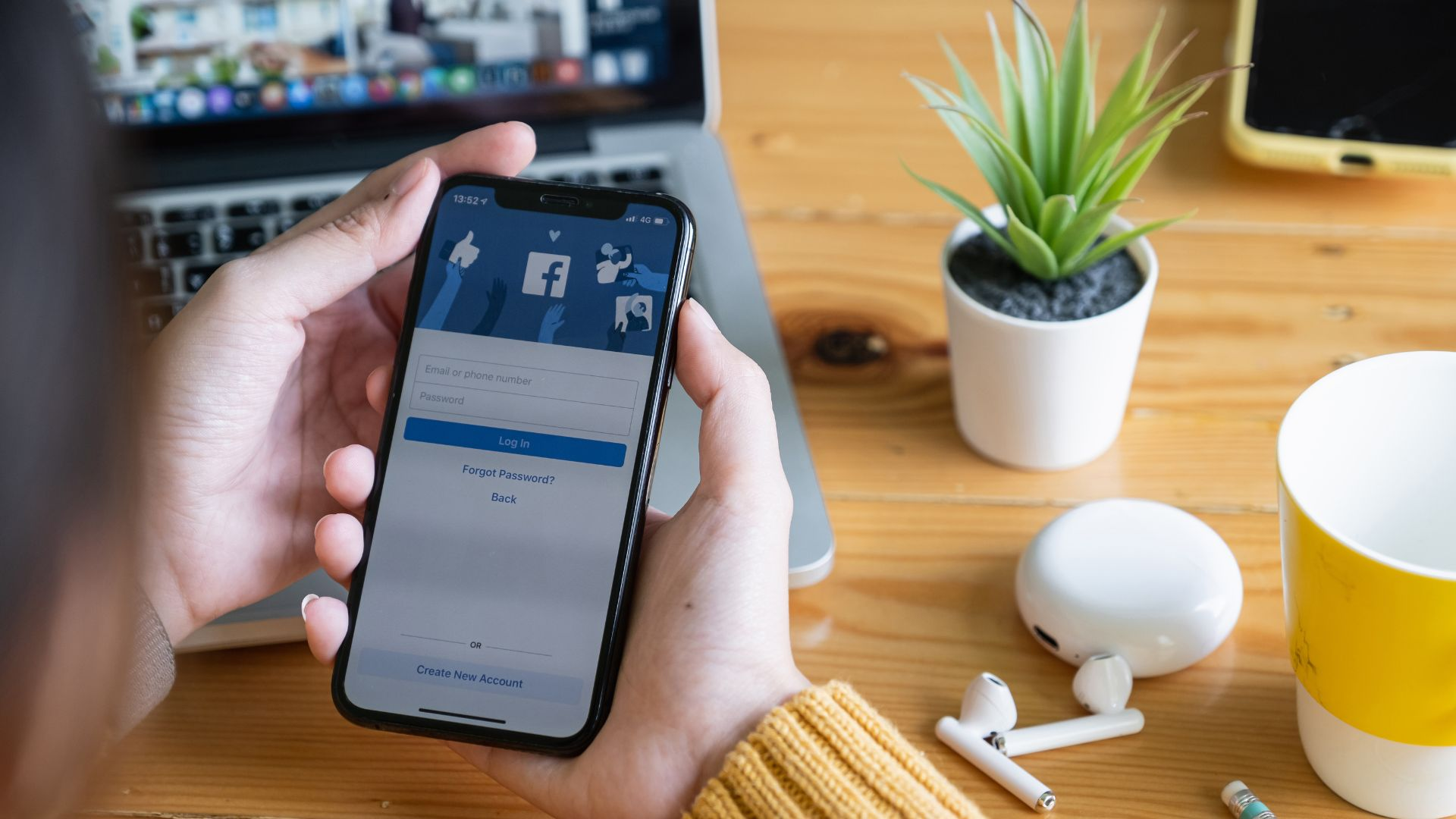
Speaker 0 00:01:14 Hey, not much Ian, excited to chat here today. We're gonna be talking about, uh, Facebook targeting for churches. Uh, this is something that I think is something that is really important. Yeah. Uh, and specifically we're talking about when churches are doing advertising on Facebook. Yeah. How do you build those targets? How do you build those audiences? Yeah. So that you're not spending money on people that will never come to your church or never. Right. Really? Yeah. Again, this is one of those things that I, I have a hard time saying it because, uh, there's nobody out there that will never come to our church. If we believe in a God that can do everything and raise the dead, anybody could always come and be impacted by the gospel and encounter us online. And so I guess a better way to say it for us is that how to make it when you invest in marketing on a channel like Facebook.
Speaker 0 00:02:06 Yeah. How do you make sure that the most people possible that have the best opportunity to receive the, the gospel are hearing your message on there, right? They're the ones that you're spending your money, reaching those, you have the best, uh, opportunity of impacting with the message of Jesus. Yeah. So we're gonna talking about that today. I think it's gonna be a good conversation. Um, uh, I think this is something that most churches probably should be doing because yeah. Facebook represents one of the best platforms to reach specific audiences. Yeah. And in comparison to other advertising platforms out there, it is dirt cheap. You know, I, what we've been doing, the we've been in the kind of helping churches do marketing industry, digital marketing, right? Yeah. We've been doing it since yeah. 2006, 2007. Yeah. Yeah. So we've been doing it for a long time and the world has changed, right? Oh yeah. In that time greatly.
Speaker 3 00:03:00 Yeah. Immensely. What, what
Speaker 0 00:03:01 Were people doing back when we started?
Speaker 3 00:03:03 Oh my gosh, well, websites were brand new. Uh, so if a lot of churches didn't even realize they needed a website, if they had one, it was like a postcard brochure that was left justified for a desktop. Uh, and, and as far as social media was concerned, Facebook wasn't even around when you and I started consulting, it was, it was my space. Right. And then, and then when Facebook came out, I would hear pastors say, yeah, we don't use space. So they would, they would combine the two, uh, you know, and say space. And, uh, and so it was pretty funny. So yeah, we saw kind of the origins and, uh, we've seen, we've seen a lot of shifts, uh, definitely since we've started. Yeah.
Speaker 0 00:03:45 But it, it baffles me to it kind of knowing about Facebook advertising, which to, to our audience that maybe isn't aware, uh, Facebook. And so I guess the technical term is meta now. Right. Cause that's the name of the parent company. Yeah. And when you, we talk about Facebook targeting, it also includes Instagram advertising. Uh, so don't hear just Facebook in this, it's the exact same platform when it comes to advertising, when you set up ads, it says, you know, do you want 'em on Facebook and Instagram? It's the exact same channel when you do these kinds of things. So right. But compared to what people used to spend on advertising, uh, and trying to get the word out there about their church in the past. Yeah. It is so dirt cheap and you can spend so little and still get results. I mean, you can, yeah.
Speaker 0 00:04:31 You could do campaigns that are like for $5 and you can get results of having people interact with your church, start conversations and, and have an actual impact. You know, when we started, it was the two big ones I think that were churches did direct mail. Like, so yeah, you would send, uh, you'd send big flyers out to people all over an entire zip code or your entire city. And the amazing thing about Facebook is not only is it cheaper, it also lets you get really specific. So where a direct mailer went to every single house in a zip code. Right, right. Facebook lets you target that exact same zip code, but only very specific people in that zip code. Yeah. That are the most likely to engage with your wi with your message and what you're right. What you guys are talking about there.
Speaker 0 00:05:17 So, so to anybody that would say that Facebook advertising is dead because cuz we hear a lot of the negativity around Facebook or right. You know, it's not what the young people are using because they're using, uh, I guess millennials use Instagram and gen Z uses TikTok and right. You know, by and large, that's kind of how that goes. That is very overblown when it comes to the advertising value of that platform. Because it does cover again, both face book and Instagram, Instagram has a lot of those features of TikTok and stories and that kind of stuff there. So, uh hu huge opportunity I think here for churches with this. So yeah, but let me say this here too, is that, um, I, we were doing some research for this episode and something that we found. So there's 2.9 billion users on Facebook. That's crazy, crazy.
Speaker 0 00:06:02 It's crazy. And that's like monthly active users. Okay. So that's not people that have downloaded it at one point and set it up. That's people that are on their monthly and listen to this 79% of those 2.9 billion people are on their every single day. Wow. So we're talking about 2.5 billion people, uh, that are on this platform every single day. And that's worldwide, of course that's all over the world, but that's, that's such an enormous reach that you have in this here. And so there are so many tools that we have at our disposal with this. And so today our goal is to give churches a leg up on how to create that perfect audience so that you're not spending money on certainly people that are, are, are outside of your range or don't speak your language. But even beyond that, how do we build this audience so that you're hitting the exact right population. Yeah. And the people that are most likely to respond to the gospel. So that's what we're gonna be talking about today.
Speaker 3 00:06:56 No, not I like that you, that, that we're stressing. This is about targeting mostly. Right? So I mean, again, you, you hit the nail in the head, you know, and God can have anyone come to your church, even people that you never thought would come or absolutely this type of person. So we're not ruling them out. But I think a lot of churches have learned, you know, being in their communities that they've been in a a while seeing the visitors that they have and the members that they have, you know, they've learned, okay, these are probably, you know, more likely people that would come these types of people would, you know, kind of fit our demographic, fit the, uh, demographic in their perspective community, uh, respective community. And so, you know, that's, uh, I think we're gonna really focus on that now. I know you, Thomas, you have a lot of experience with this, that you've, you've worked with our marketing team. Uh, we, we use Facebook for marketing and advertising. Of course we do. Um, so, um, I think it's gonna be really good for a lot of our listeners for you to be able to kind of shed some light on that. And I, I guess we have specific ways that we can target. Right. And so, um, should we jump into those and kind of start talking about some of those different methods and strategies?
Speaker 0 00:08:05 Yeah. Maybe I dunno if you wanna just kinda ask me about, um, maybe some questions our audience may have and who we can go
Speaker 3 00:08:10 That way. I think they, in, in this one, yeah. They'll, they'll gleam a lot from you, uh, particularly with this. So, so there's different types of targeting available. The, the first, I think we're gonna cover is core audiences, right? So this is maybe one of the more commonly used ones, right?
Speaker 0 00:08:25 Yeah. This is probably the easiest one. Uh, and, and so I, and, and again, I, I I've picked this up because I, I certainly have done, uh, Facebook campaigns for my church for other churches. I've done these kinds of things before, but I also have the privilege of kind of managing thousands of dollars every single month that we give to Facebook, uh, to kind of get, reach rights message out there. And we, we play with every little, uh, aspect of it to try and maximize our dollars there. And, uh, it's a big part of what we do here. So yeah. So I picked that up now, a core audience, these are basically different things that Facebook knows about you as a user. And it lets you target some of those things that Facebook knows about you with that are kind of built into their platform.
Speaker 0 00:09:10 So yeah, there's some obvious ones that every you need to always be you. So you only want to PE target people that speak languages that your church speaks. Right. Right. Of course, if, if someone only speaks, uh, Russian and you don't offer Russian services and they don't speak any English, well, we, we still hope that they come to know Jesus and we love them and, and God can give them the gift of interpretation of tongues. I'm sure. And yeah, and that kind of stuff can all happen. But we think when it comes to Facebook, advertising, your dollars are best spent on people that speak the same language as you. So if you are a Spanish speaking church, um, this is big for SP our Spanish brothers and sisters that speak Spanish there. If you're in the United States and 10% of your community speaks Spanish, you, you wanna make sure you're targeting those Spanish speakers only.
Speaker 0 00:09:59 And not people that only speak English right. With your advertising. You want to make sure that they're only targeting that way. So there's obvious ones like that. Uh, there's ones that are, um, like they're in your location. So that's gonna be a really important part of your core audience. Most churches are still a physical play where they're inviting people to come on a Sunday. And so targeting people based on that physical location, that's important. Yep. Beyond that, there are lots of other things that would, would maybe surprise you to learn that Facebook knows about you. Yeah. Uh, but are very valuable to us as advertisers or as people that are trying to reach our, of people. Now, uh, there has been a, a lot of there's there's been less and less available to us. So if you, if we did this episode five years ago, yeah.
Speaker 0 00:10:46 This is before the, uh, the 2016 election. Um, I, I think if we did this, then it would've been very different back then. You could have targeted people based on political leanings and there's all kinds of things that are in there by religious affiliation, some of that kind stuff. So they've, they've tried to move away from having some of these things that could be used for nefarious reasons. And the thought behind that is that people, they didn't want people to say, you know, I want to advertise my, my house that's for rent, but I don't want any Muslims living there. Yeah. So let's make sure we exclude them and only have only have Christians living in this house or something like that. And, and I, I get that now that was the challenge for us as people, that market mostly to, we help churches. And so we kind of limited us a little bit, but I understand why they had to do that.
Speaker 0 00:11:36 So now there's a little less in that core audience, but there are still tons of different ways you can target within there. So yeah, some of the ones that I think will matter most to our audience, uh, is that I think churches will probably do a lot of things that target families. Right. So Uhhuh, if your church does, uh, at Easter egg hunt on Easter Sunday, or right, you have a big harvest party or a back to school time, Facebook lets you look at those core audiences and not just get English speakers or Spanish speakers that live in my zip code or within five miles of me. Right. But also we can target people that have children that are in preschool or people that had, uh, children a few years ago or people that ha are, or there's one for soccer, moms, kids that play sports. It's very specific things that they have in there. Mothers of elementary school students or fathers of elementary school students. Yeah. You could target those kinds of specific areas.
Speaker 3 00:12:31 So it could be like interest two, like hobbies and
Speaker 0 00:12:35 Absolutely. Yeah. So if there's a specific hobby that you're looking at, uh, those are some ideas that you can target for. There are, there are also some opportunities to target people that are in major life change seasons in there. So Facebook knows things like people that are recently in engaged because that's the first thing you do is you make your engagement, Facebook official. You can target people that are recently married. You can target people,
Speaker 3 00:13:00 People in a relationship or it's complicated.
Speaker 0 00:13:04 All of those, you can target only. It's complicated people for
Speaker 3 00:13:06 Your singles ministry. Hey, they, they need, they need healing. They need help. It's complicated. They're
Speaker 0 00:13:11 Absolutely. But I think if your church offers divorce, even there's ways that you can target people that recently changed their status from married to single, you can target people that are in that kind of a life place. Uh, so there's a lot of functionality and, and things built into your core audience there. Um, you can also target people that have recently moved. So if you're someone that, uh, this is one of the times that people are most likely to come and visit a church is they're new to a community or they just had kids or in these major life change events. Yeah. They're most likely to look to for a connection to a church or look for spiritual answers in those kinds of seasons there. So I think that is what some of the ways that we have seen targeting really be successful. And what, again it does is that when you're harvest party or your Halloween party or whatever you wanna call it rolls around.
Speaker 0 00:14:00 Yeah. You wanna make sure you're spending money, not as a mass mailer to everybody at your zip code, but you can target only people that have kids that would seem like they may want to dress up their kids and come to a costume party at a church, which is a pretty small, so upset. Usually it's gonna be moms who have kids that are age one through about 10 or 12. That's kind of the range that you're, you're looking for there. And it lets you get laser focused and only show your ads to those people. Yeah. You a much greater return because you're not spending it on, uh, people on, on single dads Who will not, who probably shouldn't be coming to your harvest party
Speaker 3 00:14:39 Totally on. Yeah. That'd be interesting. What would the motive be there? So that's good
Speaker 0 00:14:44 So much.
Speaker 3 00:14:44 Yeah. Right. Good. And, and, and the next one, uh, and I found this one to be kind of interesting is custom audiences. So we just went over core audiences, but there's custom audiences. And as I was kind of educating myself on this, this in a way, and I know you'll kind of clarify, uh, in a way as, um, you can target people that, uh, have already had some sort of interest or connection with you or you could target people that they know, uh, these, that maybe have, um, already liked you, uh, your, your, or followed you or they, uh, downloaded your app or they went to your website. Right. Those, this is kind of the customization part of targeting.
Speaker 0 00:15:22 Yeah. So the, the, the custom audiences are ones that you yourself have kind of worked to build yourself. Uh, so a custom audience is typically going to be one of a few things. So your church, you probably have an email list, right? Yeah. This is probably the most common way to build a custom audience. Is you take that church email list. Let's say you have 500 people in your list. Yeah. Uh, and you upload that list into Facebook. Uh, and then Facebook is going to F find, uh, any of those emails of those 500 and they're gonna match them up with their records of those emails and find the profile that goes with them and then build your list from there. So yeah, if you have 500 people on your email list, chances are probably about 400 of them. We'll tie up with some kind of a Facebook account, and then you'll a list, a custom audience list that you've built within there.
Speaker 0 00:16:16 So it's great for people within your church. Uh, so if you want to be, uh, only sending your ads out to church members or here's one of the really cool things is that you can build a custom audience and then expand it by targeting their friends within you are within 20 miles of your church. So, wow. Let's do that. Um, the average person has 600 friends on Facebook. Uh, geez. So you take the, uh, uh, take the 500 people in your, that are on your church email list. You find 400 of them on Facebook. Uh, and then you find their 600 friends that are within there. Now the thing about this is when they start to see maybe something that you're advertising or they see one of your ads pop up on their feed, or yeah. Uh, in some other channel, they might see that little face of yours next to that says, Hey, Joe likes, uh, first Baptist church too.
Speaker 0 00:17:09 Or these seven of your friends already, like this place. Yeah. Maybe you should consider checking it out too. So it's kind of like a little, like a third party credibility builder where it kind of, uh, it helps someone realize, okay, so other people have already vouched for these guys a little bit. They like this organization, maybe I can too. Uh, so right. They kind of build that. So, uh, email is a primary way kind of using email addresses, just the, that like your Facebook page. It's another way too. So people that are local there that like your Facebook page, that's another way. Um, one of the most valuable ones is something called the Facebook or the meta pixel. And it's a little bit complex. This is something we can't get into the technical details on this call are in this conversation today. But what, what we do is you can upload this little bit of code onto your church website, and then it recognizes whenever a Facebook user gets onto your website.
Speaker 0 00:18:04 Uh, so let's say for instance, you have a big, uh, a big harvest party we've been using that analogy and you put out the event there and people have been going onto that event page on your website. They get on there, you can actually have it. So that Facebook looks at the code and kind of sees anybody that's a Facebook user that has been on that page, your website. Yeah. And they start to build a list of all those Facebook users that have been on this page of your site. And then you could start to send them little ads or, uh, little reminders of when the harvest party is coming up, or if they didn't sign up, you could encourage them to take the step and sign up to come doing some of those kinds of things. So yeah, a lot of functionality here within that custom audience thing, I think the pixel one is really valuable for kind of that
Speaker 3 00:18:52 Is
Speaker 0 00:18:52 Reengaging people that have already expressed or kind of shown that they're interested in something that you do as a church there.
Speaker 3 00:18:58 Yeah. That's really cool. Yeah. So this is definitely something I think a lot of churches could definitely take advantage of. And I think the last one we have is look alike audiences kind of a funny term there, but, uh, this is, uh, targeting people that, uh, who have similar characteristics to member members of your church or, um, yeah. Further, further expound on that.
Speaker 0 00:19:20 <laugh> yeah. So this one I would say is the most powerful. So this is what really the, the challenge with those custom audiences for churches. And, and this is, I'd say true for most small to medium size churches is that you don't have an enormous list. Right? Right. So you, you have, if you're a church of usually a church email list is about the same size as your Sunday attendant. So if you're a church of, uh, the average church of maybe 75 people in this country, you probably have a, an email list about that. Same is maybe a little bit bigger, but that is too small of a list to do most Facebook advertising. Right. If you're only reaching out to 150 people, uh, you just won't get the kind of reach that you're trying to get there. So what lookalike audiences do is they try to solve for that problem.
Speaker 0 00:20:06 And it is a super powerful tool we do almost exclusively at, right. We do almost exclusively look alike, audience advertising now. So what it does is it takes a list that you've made. So let's use the email, uh, address list that we talked about. Yeah. And let's say you have a hundred and, or let's say you have 200 people on that, just for easy math. Let's say you have 200 people on that email list. What it does is you upload that into Facebook and then it builds that custom of audience. And then what you could do is you can say Facebook, I want you to go and find me, uh, a lookalike, an audience that looks a lot like the people that I already uploaded. Yeah. So if you have those 200 people, what they do is they will find the people in a specific area that are the closest match to those 200 people.
Speaker 0 00:20:53 So they take a look at all these interests of your 200 people and they build like this. Um, they build this, uh, this avatar basically of this is what the average person that is on this list looks slack. As far as their Facebook profile, let's find the 1% of our Facebook users that are closest to what this list of people looks like. Yeah. So it's gonna be people usually with some of the same interest as your people. Uh, they have some of the same maybe like kind of beliefs or even like political leanings or yeah. People that are most like people in your community there, that's what they're gonna find. And so what this does is if you live in a town of, or a city, let's say you have a million people in your city, it's gonna find the 1% of people in your city that look most like the people that are already on your list or already in your church.
Speaker 0 00:21:43 So in general, we are best at reaching people that are like us. That's the reason why most churches kind of have the similar age ranges in them. A lot of times, similar political beliefs within churches, unfortunately, similar, um, ethnic makeups. A lot of times, that's why it's hard to be truly multicultural multi-generational. And so what this does is it really helps you target people that are most likely to part of this. Now it does not use race as a factor in this. It doesn't say right. You know, because all these people are, are white. Let's only target white people when they do this. And it, it's more interest and, and more based on kind of life place is what it's gonna be doing with that. Yeah. And so it'll take that and it'll really help you build a much bigger audience. So in your city of a people, you now have a list of 10,000 people, or you can adjust it up or down. You can say, Hey, let's find the 5% that look most like that. And then you have a 50,000 person list. Yeah. So it helps you to build that kind of a list that really are the people most likely to connect with your church.
Speaker 3 00:22:44 Yeah, no, that's good. And I hope, yeah, this is shedding clarity for a lot of, uh, our all audience and everything. I know that, um, I think the place to start is asking some ques, you know, for a church to figure out, I guess, which method or what, how they're gonna go about it. There's probably some questions they should sit down and ask with their leadership, their team and, or just think through before they, they take off on that. So I know we wanted to kind of cover what, what are some of those questions? I think the first simple one is, uh, who are you trying to reach? <laugh> right. So yeah,
Speaker 0 00:23:15 That's the one that everybody should ask first is like, right. That that's and you really gotta think outside of the box, I think a good way to do it is not so much look at what Facebook offers and try and adjust it, but you can take a look at like, okay, who is most likely to come into our harvest party or not even that who's most likely to respond to an ad for our harvest party. So you shouldn't spend your time advertising to, you know, to, to kids that for some reason, have a Facebook account, or if they're 16 year olds or something like that, or I guess you can get it at 13, you don't wanna be advertising the 13 year olds, right. It's the parents, they're the ones that are most likely to respond to this kind of a thing. So you, you have to kind of look at your event or, uh, your services and say, Hey, who, who is perfect?
Speaker 0 00:23:59 I, I know there's a lot of, um, challenge with this. I, I remember that Rick Warren, uh, he famous did something that I think a lot of our audience would know it's called the, their shape class, where they have, it's basically their, um, growth track or their, the way that they walk people through their assimilation process at Saddleback church. Right. And I, I don't know if they still do this or not, but they had this guy who was famous named Saddleback Sam, which is basically this avatar, it's this person that they kind of thought up that is the, the, the exact kind of person that Saddleback church was best able to reach. And it said things like he's really busy and that, uh, he is, he has, he's okay with finances. He's not really, he's not super wealthy, but he is not dirt poor. He either, and they kind of made this, this, uh, prototype person that they felt like they were best able to reach.
Speaker 0 00:24:51 And there's been a lot of pushback on that. And, uh, I think one thing funny is that I've been a part of churches that use that same curriculum because they offered that to, for sale to churches. And they had that picture of Saddleback salmon there. And he was just so funny looking with his old, old flip phone and he was holding it up to his ear. And it was just, it was a funny little thing there, but this is what you gotta be thinking though, who is this person who is the perfect person for us to be able to reach if we could, uh, market our services or our event to anybody who is that? And then how do we use the tools that we have at Facebook, some of those custom audiences or some of those default ones, how do we, how do we build around to best hit that kind of a person there.
Speaker 3 00:25:32 Right. Right. That's good. That's awesome. Yeah. And, uh, I guess summing it up, you know, it's, it's all about being strategic, right? Yeah. It's all about, it's about outreach. Of course, every church wants to do outreach. They wanna reach their target. So, um, yeah. Hopefully this has been a helpful thing for a lot of pastors and ministry leaders.
Speaker 0 00:25:51 Yeah. I'd say just, if I'd leave our audience with one thing is that you can get in here and try this stuff out for pennies, like dollars, let's say not maybe not pennies, but you could do it for dollars. Right. So we're not talking, you know, where in the past, I, if you wanted to do a mailer, you know, good luck doing it for less than a few thousand dollars, right. I I'm literally talking about, you have a harvest party coming up, you could put $10 into it. Yeah. And test the waters and you're gonna get more for the more you invest. Uh, you know, I think that, you know, you could put in, uh, $50 or a hundred dollars if you have the kind of budget to do things or thousands of dollars, you know, we put in thousands of dollars into our marketing here at reach wite because we've proven it by spending $10 a day or small amounts along the way.
Speaker 0 00:26:36 So you can try this out. And that is the best way to learn is to get in there, start using the system, uh, put in a little bit of money, put in, put in $25 to, uh, to try and build up the attendance at this event. And I've seen, I, I have led churches that have done harvest parties that have had hundreds of people come out for $25 of advertising on here because we did it right. We partnered with community centers and did the, those kind of things. So you can do very small budgets and have a huge impact. This is the kind of potential you have with Facebook. So yeah, I think the moral of the story is you're not gonna be perfect when you first start, you won't get the audience exactly. Right. We tweak our audience like every other month, I'd say, yeah, we're tweaking our target audiences because little things change. We have better reach. We're a B tech besting to see what has the best impact. So you can always be playing with this. But the way to start is put in $5, put in $10, give it a try, see what happens and keep improving from there.
Speaker 3 00:27:34 That's awesome. That's good stuff.
Speaker 0 00:27:36 Awesome. Good. I hope this has been helpful. Uh, I know this is something that brings a lot of confusion to a lot of, uh, our people that we work with, people that we insult, they don't know where to get started on this. So hopefully this is kind of a, a big kind of, uh, uh, an initiation and kind of getting you an idea on how we would be looking at this here. Um, if it has been helpful, let us know in the comments below, if you have any questions on some of the best practices or maybe some of the most effective ideas that we've seen for Facebook targeting, you could let us know down low. And then also if your church has done some Facebook, Instagram, yeah. Advertising, and you have an audience that has just killed it for you, that it really works well.
Speaker 0 00:28:13 Um, the great thing is because most of us are regional. We're not gonna be on top of one another and kind of taking your audience or competing with you on that. So let us know when the comments below you can, uh, drop a, a comment in there on a specific audience that is working really well for your church. I would love to hear some of your ideas on that. Absolutely. Thank you guys so much for being a part of our reach right family. Um, it means the world to us rate, review, subscribe, and we hope to catch you next week. Thanks for listening to the reach right podcast. We hope this episode will help you reach people the right way, looking for more resources for your church. Check us out online at reach Wright, studios.com. If this episode has been helpful to you, it would mean the world to us. If you would rate, review and subscribe on iTunes or wherever you get your podcast. Thanks for listening. And we'll see you next week.