Maximizing Impact: 5 Advanced Strategies for Church Google Ads

June 13, 2024 00:17:40
Maximizing Impact: 5 Advanced Strategies for Church Google Ads
REACHRIGHT Podcast
Maximizing Impact: 5 Advanced Strategies for Church Google Ads

Jun 13 2024 | 00:17:40

/

Show Notes

Google Ads can be a powerful tool for churches looking to expand their reach and connect with more people. By leveraging this platform, churches can effectively promote events, share inspiring messages, and engage with their community in new ways.

The key to maximizing impact with Google Ads lies in understanding how to create targeted campaigns that resonate with your audience. In this article, we’ll cover everything your church needs to know about Google ads. Then, we’ll cover our top 5 advanced strategies for maximizing your impact with these ads.

With our strategic approach, Google Ads can help your church grow your congregation, increase participation in activities, and spread your message of hope and faith more broadly than ever before. Ready to learn more?

Let’s dive in.

Estimated reading time: 11 minutes
Church Google Ads

Church Google Ads

Before we learn any advanced strategies, let’s cover exactly what Google Ads are, and how your church can use them effectively. We’ll also cover Google Ad Grants, which is a program that can be hugely helpful for nonprofits like churches.

Understanding Google Ads

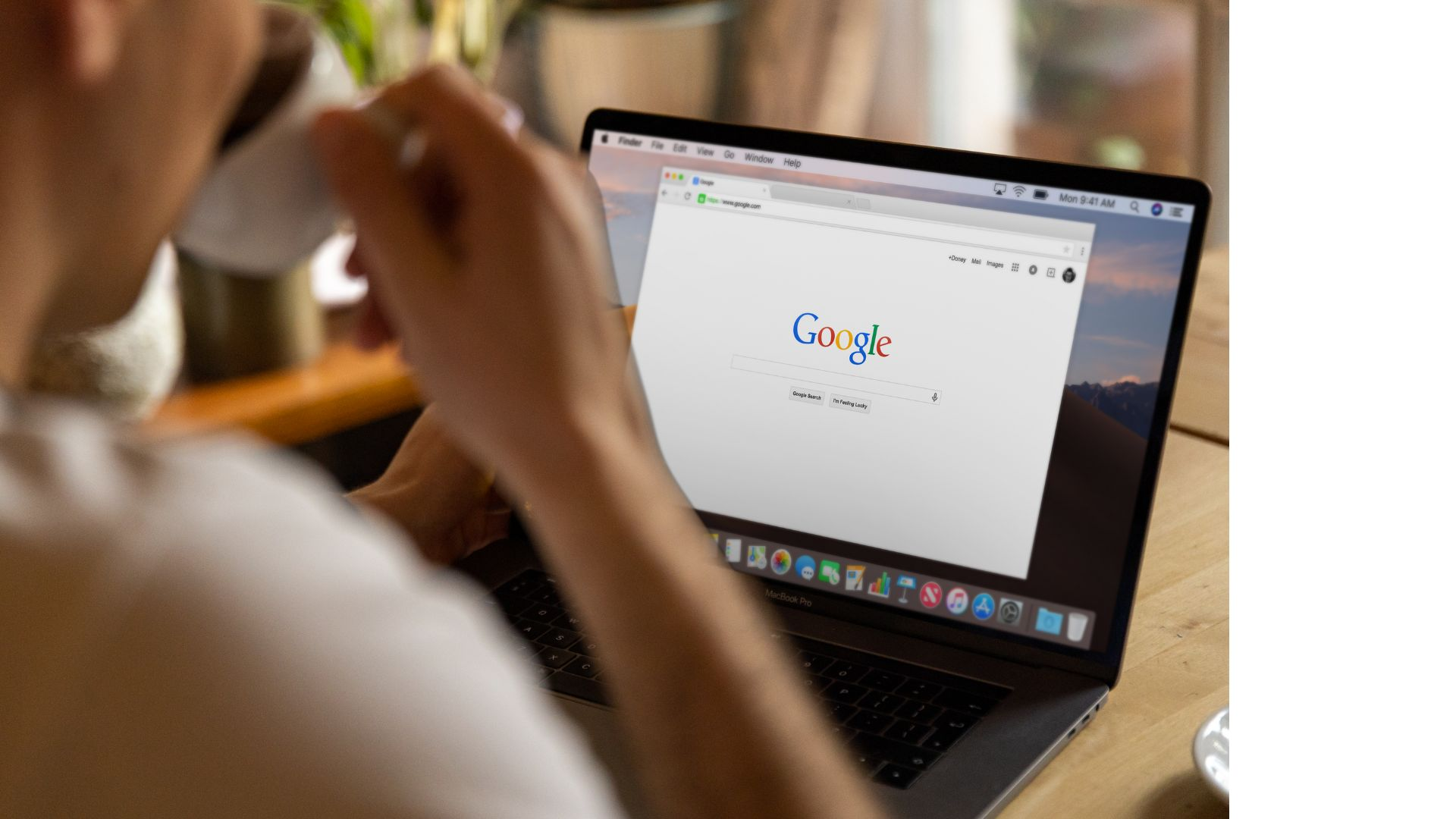
Google Ads is an online advertising platform that allows businesses, organizations, and even churches to promote their messages and services across the internet. Through Google Ads, churches can create advertisements that appear in Google Search results, YouTube videos, and other websites within Google’s ad network.

The idea is to help your church reach a broader audience by targeting specific keywords related to your message, events, or services. For instance, when someone searches for “local church events” on Google Search, your ad can appear at the top of the search results, increasing the likelihood that they will click on your ad and learn more about your church.

Google Ad Grants for Churches

One of the most beneficial aspects of using Google Ads for churches is the Google Ad Grants program. This program provides eligible non-profit organizations, including churches, with up to $10,000 per month in free advertising credit on Google Ads.

To take advantage of this opportunity, your church must apply for a Google Ad Grant account. Once approved for a Google Ad Grants Account, you can start creating ad campaigns without worrying about the cost, allowing you to focus on crafting effective ads that resonate with your audience.

The Google Ad Grants program is specifically designed to help non-profits expand their reach and visibility, making it a perfect fit for churches looking to grow their congregations and community impact.

Managing a Google Ad Grant Account

Managing a Google Ad Grant Account

Managing a Google Ads account effectively is crucial for churches using the Google Ad Grant. Google Ad Grant management involves overseeing your ad campaigns to ensure they perform well and comply with the program’s requirements. Here’s a simple guide to get you started.

First, set up your Google Ads account and ensure it’s linked to your Google Grant. This account will be where you create, monitor, and adjust your ads. As we’ve mentioned, the Google Grant gives you up to $10,000 per month in free advertising credit, but it comes with specific rules, such as maintaining a 5% click-through rate (CTR) and using geo-targeting to reach local audiences. This essentially allows you to produce free google ads instead of paid ads.

Next, focus on creating relevant and engaging ads. Choose keywords that people in your community might use when searching for a church or related activities. Write clear and inviting ad copy, highlighting unique aspects of your church like welcoming services or special events.

Regularly monitor your Google Ads account to see how your ads are performing. Use the analytics tools provided to track which ads get the most clicks and which ones need improvement. Adjust your keywords and ad copy based on these insights to keep your campaigns effective.

Compliance with Google Ad Grant management guidelines is essential. Make sure your ads are active, avoid single-word keywords, and ensure your landing pages are relevant and useful to visitors. Proper management helps maximize the benefits of your Google Grant, allowing your church to reach more people and grow your community effectively.

Google Ads for Churches

In conclusion, Google Ads and the Google Ad Grants program offer churches a valuable opportunity to expand their reach and connect with more people in their community. By understanding how to create targeted campaigns, utilizing the free advertising credit from Google Ad Grants, and continually optimizing your ads, your church can effectively use Google Ads to grow and thrive.

5 Strategies for Maximizing Impact

5 Strategies for Maximizing Impact

Now that we’ve learned more about Google Ads and how your church can take advantage of the Google Ad Grant, let’s explore 5 strategies for maximizing the impact of your google ads. These strategies are all things you can start implementing today for more effective advertising. Ready to find out?

Let’s jump in.

1. Target the Right Keywords

Targeting the right keywords is crucial for making your church’s Google Ads effective. Start by doing keyword research to find out which terms people in your area are using when they search for a church or related activities. Keyword research tools can help you identify popular search terms. Look for keywords like “local church,” “Sunday service,” “community outreach,” and “youth programs.”

Once you have a list of keywords, think about which ones best match what your church offers. You want to choose words that reflect your church’s unique strengths and events. For example, if your church has a strong music program, you might use keywords like “church choir” or “live worship music.”

It’s also important to use a mix of broad and specific keywords. Broad keywords, like “church near me,” can reach a wide audience, while specific keywords, like “youth Bible study,” can attract people looking for particular activities.

Regularly update your keyword list based on the performance of your ads on Google Analytics. Check which keywords are bringing the most visitors to your site and adjust your list accordingly. By targeting the right keywords, your church can reach more people and grow its community.

2. Write Solid Ad Copy

Writing solid ad copy is key to attracting people to your church through Google Ads. Start with a clear and engaging headline that grabs attention. Your headline should reflect what your church offers and make people want to learn more. For example, “Join Our Welcoming Community” or “Experience Inspiring Worship Services.”

Next, create a concise and compelling description. Highlight the unique aspects of your church, such as friendly congregations, exciting youth programs, or special events. Use simple language and be direct. For example, “Visit us this Sunday for a warm welcome and uplifting message. We offer activities for all ages and a supportive community.”

Include a strong call-to-action in your ad copy. Encourage people to take the next step, whether it’s visiting your website, attending a service, or signing up for an event. Phrases like “Join us this Sunday” or “Learn more about our programs” can be very effective.

Remember to match your ad copy with the content on your landing page. If your ad promotes a special event, make sure the link directs people to a page with detailed information about that event. By writing solid ad copy, you can create engaging ads that draw people to your church and its activities.

3. Use Geo-Targeting

Use Geo-Targeting

Using geo-targeting is a smart way to make sure your church’s Google Ads reach people in your local area. Geo-targeting allows you to set specific geographic boundaries for your ads, ensuring that only people within a certain distance from your church see them.

To start, log into your Google Ads account and select the geo-targeting option. You can choose to target by city, zip code, or a radius around your church’s location. This is especially useful for churches, as most people are likely to attend services close to where they live.

When setting up geo-targeting, think about how far people are willing to travel to visit your church. A 10 to 20-mile radius is often a good starting point. You can adjust this based on the size of your community and how far people in your area are typically willing to travel.

Geo-targeting ensures your ads are seen by those most likely to visit your church, making your advertising budget more effective. It also helps you create more relevant ads by focusing on local events and community-specific messages. By using geo-targeting, your church can connect with nearby residents and grow its local presence effectively.

4. Optimize Your Landing Page

Optimizing your landing page is essential to making your Google Ads effective for your church. A good landing page provides visitors with the information they need and encourages them to take action. So what if your ad is good and get clicks? If people don’t like what they see after they click, it won’t mean anything anyway.

First, make sure your landing page is clear and easy to navigate. Use a clean design with headings and bullet points to make information easy to read. Include all the important details like service times, location, contact information, and upcoming events. People should quickly understand what your church offers and how to get involved.

Second, match the content of your landing page to the ad that brought people there. If your ad promotes a special event, the landing page should have detailed information about that event. Consistency helps keep visitors engaged and reduces bounce rates.

Third, include a strong call-to-action on your landing page. Encourage visitors to do something specific, like signing up for a newsletter, attending a service, or contacting the church. Phrases like “Join us this Sunday” or “Learn more about our community programs” can motivate visitors to take the next step.

Finally, ensure your landing page is mobile-friendly. Many people will visit your page from their phones, so it needs to look good and work well on smaller screens. By optimizing your landing page, you can turn more visitors into active members of your church community.

5. Utilize Ad Extensions

Utilizing ad extensions can make your church’s Google Ads more effective by providing additional information and making your ads stand out. Ad extensions are extra bits of information that can be added to your ads, such as links to specific pages on your website, your church’s address, or a call button.

Start by adding sitelink extensions. These are additional links that appear below your main ad, directing visitors to specific pages on your website. For example, you could include links to your “About Us” page, “Upcoming Events,” or “Volunteer Opportunities.”

Location extensions are also important. They show your church’s address and can even link to a map, making it easy for people to find you. This is particularly useful for attracting local visitors who are looking for a nearby church.

Another useful extension is the call extension, which adds a phone number to your ad. This allows people to call your church directly from the ad, making it easier for them to get in touch with you.

By utilizing ad extensions, you can provide more information and make your ads more engaging. This can increase the chances that people will click on your ads and visit your church, helping you grow your community.
Outreach with Google Search Ads

Outreach with Google Search Ads

In conclusion, using Google Ads effectively can significantly enhance your church’s outreach and community engagement. By leveraging tools like the Google Ad Grants program, conducting thorough keyword research, writing compelling ad copy, and utilizing features such as geo-targeting and ad extensions, your church can create powerful ad campaigns that resonate with your audience.

Optimizing your landing pages ensures that visitors find relevant information quickly, encouraging them to take the next step in connecting with your church. Regularly monitoring and adjusting your strategies based on performance metrics will help you continuously improve your ads’ effectiveness.

With these strategies, your church can extend its reach, attract new members, and foster a stronger, more vibrant community. We pray success over your church’s Google Ads endeavors. God bless!
More Resources on Google Ads

View Full Transcript

Episode Transcript

[00:00:00] Speaker A: Google Ads is one of the best opportunities for churches, especially with the $10,000 a month Google grant. But I want to warn you, it's not for the faint of heart. In this conversation, we're going to unpack some tips to help you get the most out of your Google Ads. Let's do this. You're listening to the Reach Write podcast, the show dedicated to helping your church reach more people and grow well. Hey, guys, I'm Thomas. [00:00:29] Speaker B: And I'm Ian. [00:00:30] Speaker A: And today we are talking about Google Ads and how your church can maximize your results. We have five tips to share with you. Today we're going to be talking about Google Ads in general, but I will give a little bit more of a bent towards people that are using the Google Ad grant, which is something that I know a lot of our audience takes advantage of. Ian, you want to tell people about what that is, just in case they're listening for the first time. They're new here and don't know. [00:00:58] Speaker B: Yeah, if you don't know, and some churches still don't. A lot more privy to it. Google gives a grant for $10,000 a month in the form of Google Ads. If you are a nonprofit and you have a secure, functional website, you'll qualify. And it is a big number that they give you for Google Ads that would obviously promote your church online when people are doing certain searches online. [00:01:21] Speaker A: Yep. No, that's exactly right. Yeah. So it's something that this should be content that works for both people that are using the grant and those that are not. If you're paying for ads, I really don't recommend that churches start paying for Google Ads unless you're maximizing the ad grant already because it's $10,000 a month of free money. And in my view, only the largest churches in the country should be able to get over that and then want to spend more than that. [00:01:48] Speaker B: Right? [00:01:48] Speaker A: Right. So I do think it's a great opportunity, but we want to unpack some of the things that we see working for churches. I will say this, too, is that Google Ads as a platform, I think, is relatively complex, and it's not for the faint of heart. So it is something that can be challenging to navigate. Just a full disclosure on this. This is something that we eat, breathe, and sleep here at Reachwrite. We have a team of people that are experts and certified from Google that do this. So I don't say that to scare you. I think it can be things that you learn. And we hope this video is something. If you're looking to learn how to run Google Ads. We hope this helps you. But all that being said, if you're looking for outside help, we have some people that would be happy to get you some info on that to point you in the right direction, just to be a blessing to you. Or if you want to bring us on and have us actually manage your ads for you, that is a service that we provide here. Maybe you're just learning about the Google Ad grant. The best thing you can do if you're in that situation is check to see if you're eligible for it. The majority of churches are. If you have a nonprofit, 501 c, three in the United States, you're eligible. We actually have a super easy checker for you, though. I'll leave a link to that down in the description below. If you're watching us on YouTube, there'll be an easy link where you can find out whether your church is eligible or not. That's probably the best way to get started on all of this. So all that being said, why don't I dig into the first one? Does it sound good to you? [00:03:14] Speaker B: Yeah, go for it. Yeah. [00:03:15] Speaker A: All right. Thing one is target the right keywords. This is one of the big mistakes that I see a lot of churches make, is they're targeting the wrong keywords. And by wrong keywords, I mean the simplest keywords you can think of are not the ones that are going to get your results on Google Ads. So if you think the best, if your attempt to do this is to say, I'm going to start targeting people that are looking for church, they type in church or churches or churches in Honolulu or those kinds of terms. That's not to say you can't get results with that, because you can, but you just have to realize that there's nowhere near enough search volume for you to actually move the needle if those are your only keywords that you wind up using. So we've discovered over the years that if you. If you don't expand your keywords to much broader types of terms, then you're going to really struggle. So we've seen churches do well with anything you can imagine under the sun. As long as you have content on your site and ways that your church can help people with that, then you can actually use those kinds of keywords. So we famously had one church that they started targeting keywords around divorce with the Google Ad grant and actually were able to move the needle a little bit with that, which is spectacular because I cannot tell you how much divorce attorneys have to pay for their ads to be able to connect with people looking for a divorce attorney. It's literally like hundreds of dollars per click is what it costs for people looking for divorce attorneys. So we were able to, I mean, what an amazing thing to help a church rank and actually get people to click on their site when they had questions and they were starting to consider divorce. And there was a church that had a divorce care ministry and they famously were able to help people that were kind of considering this and going, yeah, awesome. So, yeah, I mean, those kinds of, that's just a small example, right? One hundred ten s of thousands of potential keywords that you have. You have to actually do some digging and look at the content you have on your site. What have you preached sermons about? What can you help people with? What ministries do you have and what could people be searching for that might be interested in that kind of content? So taking some time with your keyword research is really important. [00:05:40] Speaker B: That's really good, Thomas. And once you do that with those keywords, then you want to write solid ad copy. What do we mean by this? Think of this as kind of a headline to your Google Ad, kind of that headline that someone would click on and engage with. So for an example for a church, it could be join our welcoming community, experience inspiring worship services for those that maybe don't know, these Google Ads are text based ads. So they require a headline and certain copy with them, just like someone does a keyword search with just typing in copy or words. So. And then you would also need to have a compelling description after you have this headline. So if it is, join our welcoming community, visit us Sunday for a warm and welcoming, uplifting message. You know, something along those lines. And then you want to include a strong call to action to take a next step. You know, someone to take a next step. Attend the church, you know, plan a visit, go to the church's website. So that's going to be really important to get people engaged once they get to these ads. [00:06:52] Speaker A: Yep, absolutely. One kind of advanced tip I would talk about with this here, when it comes to writing better ad copy is using a tool called dynamic keyword insertion. Sounds complicated. Here's what it means is that the Google Ad system, you can use some tools that allow you to take whatever they typed into the search engine into Google and actually put that into your ad copy. So if someone in our example from before was looking for, you know, is divorce, right? Or is it divorce, okay. In the Bible? Or maybe they typed in divorce attorneys, right? They typed that into their Google search. [00:07:36] Speaker B: They didn't care if it was right. They were ready. Yeah. [00:07:39] Speaker A: Right. Yeah. And so you could actually take, you could take the, you could take that word divorce attorney and put it into your headline and make it say, looking for a blank, you know, looking for answers on divorce or divorce attorneys or anything. Question mark. You could actually automatically have whatever they typed in be inserted into your ad. These are proven to perform, in our experience, better than just kind of taking a stab at what their intent was. So using dynamic keyword insertion is a little bit more of an advanced tool. You have to really make sure you nail your ads and that they make sense, like. Cause you can kind of mess it up and make it not make sense if you're not careful. But finding ways to insert whatever they typed in, that can be a really good tool for people. [00:08:28] Speaker B: That's good. [00:08:29] Speaker A: Awesome. Next one is using geo targeting. This is a fancy way of saying, making sure you have a very tight window on the people that you're looking to reach. So as churches, this is really important. Sometimes when churches are using the Google Ad, if there is a real reason for them to reach people outside of their geographic area, we will sometimes open it up and broaden it. But generally speaking, we're best able to serve people that are in our communities, right. Or within driving distance of our church. So depending on where you are in the country, that's going to be different ranges. In New York City, it might be a few blocks. In, in North Dakota, it might be 45 or 50 miles. But it's something where, it depends on where you are, and you just want to have a tight window around where you're going to be targeting people, searching for your content. When we do this, it gives more relevant ads to people and that's a signal to Google that they should show your ads to more people and it'll make a more effective campaign and it'll get you better results because these are people could actually come to your church and it's just a win win situation. So make sure you have a pretty tight window on that. Generally speaking, for suburban and, you know, moderately urban churches, I'm going to say something like 15 miles or something like that. Here in Hawaii, like 15 miles is the other side of the world for us. [00:09:57] Speaker B: Yeah. [00:09:58] Speaker A: So it's, I mean, that's like the absolute end of the line of how far we would possibly go with our. [00:10:04] Speaker B: But here in central Texas, that's relevant, right? So, yeah. [00:10:07] Speaker A: Yeah. That's a 15 minutes drive in central Texas. [00:10:10] Speaker B: Right. [00:10:10] Speaker A: In Hawaii, it's an hour. So it's something that's totally different, but. [00:10:14] Speaker B: Depends on where you're at on that. You said it's a win win. I just. That's last thing I'll mention to that point is yet this is something that most churches should be on board with. They want to target people that can actually come and connect in person. Like you said, there's some ministries out there that we've seen, they've expanded their reach a little bit more. But yeah, in general, that's a no brainer for churches. So. Well, next one I like is optimize your landing page. Well, these ads, these Google Ads are designed to not just go to your home page of your website, they're designed to go to your website, but you need to send them to good landing pages. So you've been using kind of the divorce example. I'll use another one that we see as we manage this grant. We manage, again, there's paid Google Ads and there's ads from the Google grant. That's what we help churches with. But one of the things as we're helping churches with Google Ads from the grant that we see is a very common keyword search is for proof prayer or some sort of prayer related search. Well, if once they click on your ad for prayer, if you're just sending them to a contact us page or the homepage of your website, you're missing the mark and that's not going to be as effective. Instead, if you have a good prayer landing page with good content on it, that's easy to navigate, maybe even a video and of course, scripture references for prayer. Frequently asked questions, breaking down what they can pray for, who's praying for them, and in a form for them to call to the next step, which is submitting a prayer request, having a good landing page is going to be critical. We recommend this day in and day out again. The success of utilizing Google Ads will be largely dependent upon having good landing pages with content on your website. [00:12:12] Speaker A: Yeah, that's well said, Ian. I think that the prayer example is a great one. I think we probably built the first one I had ever seen for Google Ads. And when you get this right, how often do we see that churches just put a form that says, hey, want prayer? You know, fill this out. Here it is. Yeah, but we spent some time writing about, hey, here's what we believe about prayer. Here's, we actually, here's what really was helpful is we built like a promise. You fill out this form and request for prayer. Here's what we're gonna do is that, you know, we're gonna, you can decide whether you want us a pastor to see it or not. We promise to pray for it within 24 hours. We'd like for you to come back and tell us if there's any updates. We even told people we would reach out for a while when we didn't get too many of them. After a while, I mean, we were, when we first built this at my church, we were seeing probably 15 prayer requests from people not in our church, 15 prayer requests from people that were in that tight geo targeted area in our community asking our church to be praying for them. I mean, what better evangelism opportunity is that these people are in a challenging season of their life. They're typing topics into Google about how can I possibly get prayer for this situation. They're obviously hurting and what a great time and season for the church to rise up and minister to them. So yeah, great idea. If you're looking for ideas on, you know, some key words, stuff around prayer is stuff we've seen a lot of results with. Yeah, make sure you nail that landing page and you actually answer their intent. They want to learn about prayer and they probably want prayer when they're typing these things in and we can get that need there. So good stuff. All right, last one, we're going to talk about utilizing ad extensions. So probably the most advanced tip we're going to talk about today. [00:13:54] Speaker B: Yeah. [00:13:55] Speaker A: First of all, what is an ad extension? So, you know, when you do a search, you'll have like the top line which is usually the homepage or whatever the primary landing page is. But you're also allowed to put in add extensions which let you do other kinds of actions that people can take when they do the search. So let's say someone typed in prayer. You could have like the main thing is your prayer landing page says need prayer. You know, we're here to help. And then they click on that, but below that and kind of indented. You could have another section that says something to the effect of, you know, want looking for prayer live, come to a service. And then it goes to the service Times page. Or want to learn more about who we are, go to the about us page and having other, other options. Basically it's think of it almost like as the shotgun approach to a Google Ad. You still have the primary one, you're still sending out the rifle approach that goes right to their search intent. But maybe they were looking for some other answers. You could have a few other links to other parts of your site and other headlines that can go kind of along with whatever they were searching for. So that's what an ad extension is. I think it's a pretty cool tool and it's something that it's not going to. I think it makes an incremental improvement. I expect usually about a ten to 20% increase when you start to using these on your click through rate. But yeah, I think it's a good, nice to have and something that you can start taking advantage of at your church. [00:15:22] Speaker B: Yeah, it's good stuff, Thomas. [00:15:23] Speaker A: Awesome. Yeah. Anything to add as we wrap up, Ian? [00:15:27] Speaker B: No, like we said at the beginning, I mean, this is a. Not everyone is cut out to just dive into utilizing Google Ads on their own. I most certainly commend the person that's ready to do the homework and spend the time that it takes. And, and if there is someone out there passionate about doing that, we love to put out this content to give you tips on how to do that. We've seen, as we've spoken about, the Google grant. Google does give some schooling. If your church gets the grant on how to run a campaign of Google Ads and they'll give you some schooling and training on this. But again, where you'll count the cost is how much time and energy you're willing to expend each month. And this stuff takes a lot of work, I guess, is what I'm getting at. And we're here to help with it, but we also are here to educate for those that have the expertise. I have run into several churches that they happen to have a Google Ads expert that serves at the church and if that's you, then awesome. And maybe this will help empower them. [00:16:31] Speaker A: Yeah, absolutely. So, yeah, and I'll say this too, as we wrap up. We have a ton of content on this topic that we've made over the years. That's our primary goal, is just to be a resource to churches. You know, I'm a pastor of a church. I know Ian, you pastored with me for a season there. That's our chief goal is to equip leaders of churches to be more effective at reaching people with the gospel of Jesus. Right. So that's what we do. And so we make that this content, stuff like this, and we have tons of videos and other things that we've made that if you spend some time doing it, you can learn all of the ins and outs and become an expert on how to run Google Ads and specifically the Google grant. And that really is our whole business model at reach ride is that we want to just give away the business. We want you to know we don't have anything that we're kind of holding back as like, a. These are the secret things that we won't tell you unless you pay us. It's all out there. It's just a question of whether you want to have the. Whether you have the time to learn it. You want to learn it. And if it's the best use of your time. If not, we'd love to help you. If it is the best use of your time, I hope this is a blessing to you with that. Thanks, guys, for being a part of the Reachwrite family, and we'll see you next week. [00:17:39] Speaker B: See ya.

Other Episodes

Episode 0

October 30, 2025 00:18:34
Episode Cover

7 Inspiring Church Thanksgiving Service Ideas

Thanksgiving is a time to reflect on all of the blessings in our lives. We all have many things to be grateful for, and...

Listen

Episode

October 02, 2025 00:24:25
Episode Cover

What Pastors Really Want for Pastor Appreciation Month

October is Pastor Appreciation Month, and many churches are already brainstorming ways to honor their leaders. Maybe your team has a few gift ideas...

Listen

Episode 0

January 12, 2024 00:29:15
Episode Cover

Facebook Targeting for Churches: Reach More People

Whether you personally love it or hate it, Facebook has a tremendous reach across the globe. Facebook has 2.91 billion monthly active users, and...

Listen