How Can Your Church Attract Millennials? Here Are 12 Keys

January 26, 2024 00:21:55
How Can Your Church Attract Millennials? Here Are 12 Keys
REACHRIGHT Podcast
How Can Your Church Attract Millennials? Here Are 12 Keys

Jan 26 2024 | 00:21:55

/

Show Notes

The millennial generation is a force to be reckoned with. They are perhaps the most diverse generation in American history, quickly changing how our society functions. So how do you attract millennials to church?

Your church leadership needs to dig into questions like: What entices millennials to attend service? What are Millennials looking for in a church? In this conversation, we’ll cover some facts about this generation and five ways that churches can attract and retain millennial churchgoers!

Estimated reading time: 16 minutes

Who is the Millennial Generation?

Who is the Millennial Generation?

There’s always room for interpretation when defining the generations and drawing lines. Any time you’re talking about a large group of people, it can be dangerous to paste labels….or to make sweeping assumptions.

Just keep that in mind throughout this conversation. We’re not saying that ALL the characteristics will apply to every person you meet in this age bracket; these are generalizations. The critical point is that churches can use new strategies to create an atmosphere that will engage, disciple, and retain the next generation.
When Were Millennials Born?

Millennials and other generations

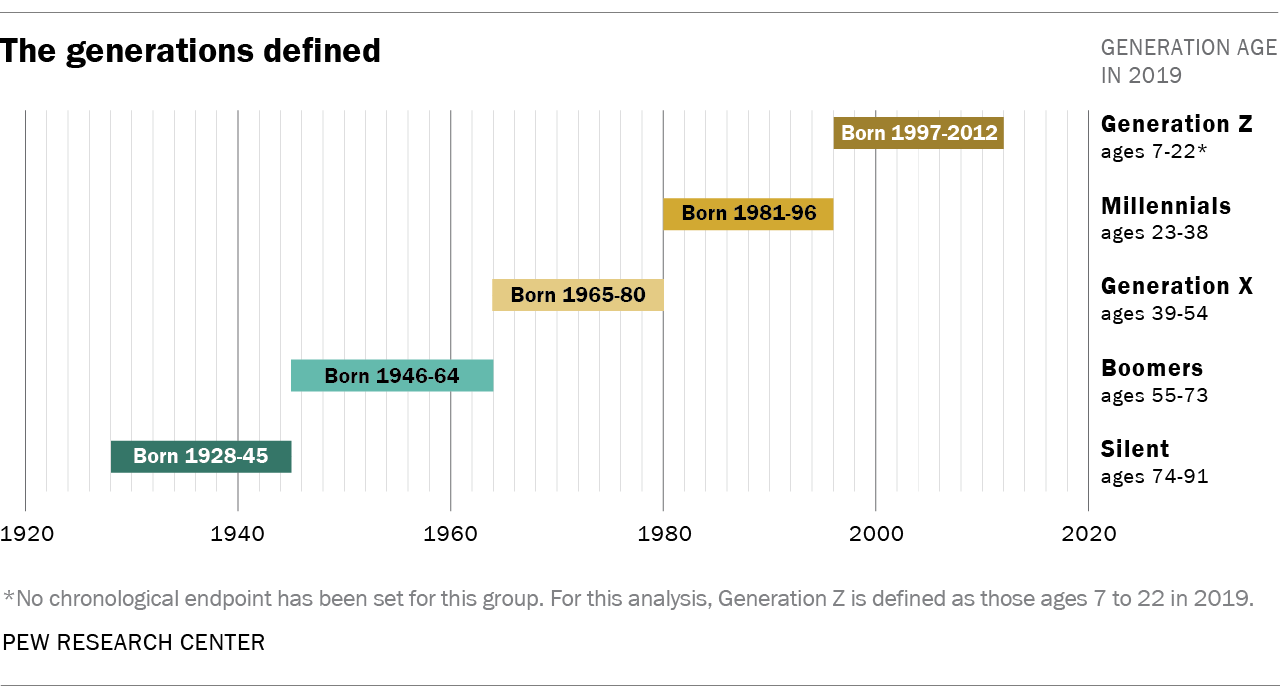
Pew Research defines Millennials as those born between 1981 and 1996. So, they’re currently around 27-41 years old. Millennials have grown up in a culture full of technological advancements and have an unquenchable thirst for knowledge.

What Do Millennials Value?

Here are some things Millennials value:

In short, millennials have a longing for truth and are very purpose-driven. They want to see real change in their communities. Most Millennials are also digital natives. That means that technology, communication, and social media are integral to their lives.

Why Do Church Leaders Need to Worry About Millennials?

First of all, many church leaders probably ARE millennials. In addition, although they used to be considered the next generation of young people, millennials are now adults. They’re in the workforce, many of them have families, and they’re primarily in their 30s.

So, churches need to attract millennials not only to attract young adults or a new group of churchgoers but because millennials are today’s decision-makers.

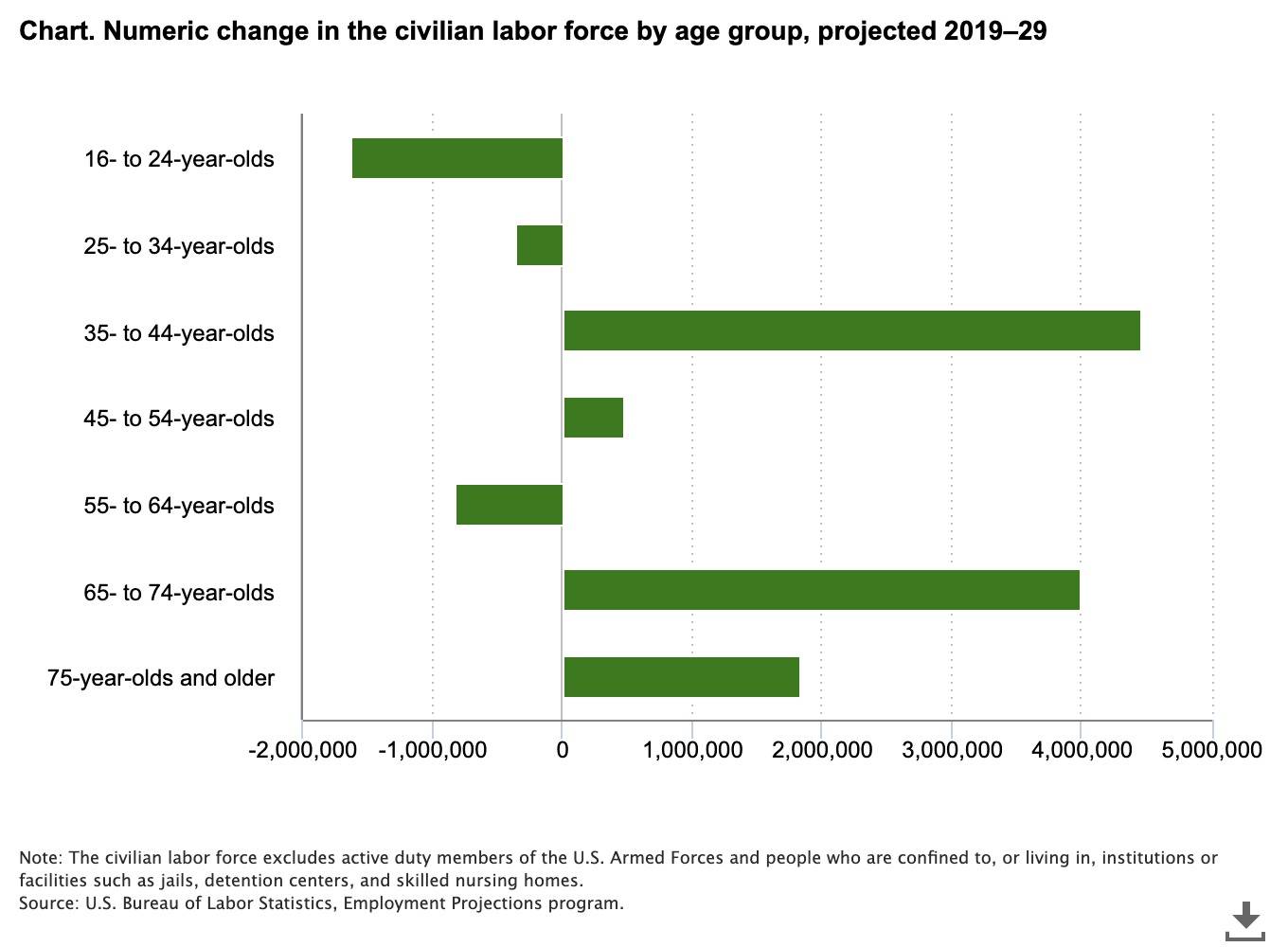
By 2029, millennials will shift into the 35-44 year-old age bracket. The Bureau of Labor Statistics (BLS) projects this group’s labor force size to increase by 4.5 million, the largest of any age group.
12 Ways Churches Can Attract Millennials

1. Create Meaningful Community

Millennials seek connections with like-minded people who share their values and beliefs. So make sure your church prioritizes building relationships.

Younger members have grown up in a hyper-connected digital world. Yet, at the same time, they feel lonely, isolated, and lacking true connection. According to a report by Telstra, 54% of Gen Z and 51% of Millennials say they feel lonely either often, always, or some of the time. This is higher than all other generations.

However, the majority of millennials are accustomed to communicating through screens. So sometimes, in-person interactions can be more challenging for them than for older generations. And that brings us to two additional points for how to build church community.

  1. Provide opportunities for younger generations at your church to interact through social media and online. Sometimes this is a comfortable first step to an in-person relationship.
  2. Don’t assume millennial members will take the initiative to build relationships like older members might. Provide small group environments and other ways to connect, guide the conversation, and help people take the first step.

2. Embrace Technology

Embrace Technology

Technology can be an invaluable tool for reaching millennials. Churches must embrace digital media and stay current with the latest trends to attract millennials.

Recent studies have shown that over half of millennials watch church online or a combination of online and in-person church. These church attendance patterns are persisting post-pandemic. And that’s because millennials are accustomed to consuming every kind of media (from books to streaming TV series) on their phones.

Other ways to embrace technology and build a digital presence include:

3. Utilize Social Media

Beyond embracing technology to attract millennials, you must utilize the fullness of social media. Social media marketing is going to be the key to getting this generation’s attention. This doesn’t mean you have to pay for advertisements through social media platforms necessarily, but you have to be active and consistent on them.

Your social media marketing strategy should follow popular trends and use aesthetics, phrases, and videos that are attractive to millennials. The majority of content millennials consume on social media is user-generated content and influencer marketing. That means the goal is to create something that can spread on social media like wildfire, with everyone posting/reposting about it.

We’re not saying you have to use full social media campaigns or use all your energy and resources on social media strategies, we’re just saying to be active, consistent, and adaptable. If you have millennials on staff you can use to run your church’s social media accounts, they will know the best way to go about it, as they will know what is “in” and effective.

4. Offer Opportunities for Growth

Offer Opportunities for Growth

Millennials are interested in learning and doing a deep dive into their faith. So, as a church leader, think about educational programs and spiritual development opportunities.

Younger churchgoers want to learn about God, the Bible, theology, and how to deal with life. Think outside of the traditional Sunday School format by offering:

Millennials tend to appreciate engaging topics that raise questions of faith and values. They want to discuss their beliefs in an open, honest environment.

Remember that many millennials grew up in a post-Christian culture. Unlike previous generations, today’s youth may have never touched a Bible. And church culture standards like devotional time, small group studies, and serving may be foreign concepts.

So the lead pastor and church leaders shouldn’t shy away from addressing gospel and ministry basics. Millennials are looking for clarity.

5. Help Them Find Purpose and Make a Difference

Young adults want to have a purpose in life and make a difference in the world around them. Your church community is all about this exact cause! Churches want to reach people, spread the great news of Jesus Christ, and serve others.

Often, the church provides tangible needs through community service, financial giving, and missions.

Encourage millennial members to serve at your church by providing opportunities for leadership and involvement both inside and outside the church’s walls. Social justice is a hot topic for millennials. Ultimately, as you engage people, share a message of truth, and help others through the ministry, the church can change the world. And this will definitely attract millennials.

6. Focus on Issues of Importance and Challenge

Focus on Issues of Importance and Challenge

As a church leader, are you in touch with the challenges and issues facing your millennial members?

According to YPulse, the 15 biggest problems among 13-39-year-olds (millennials and gen z) include:

  1. Inflation
  2. Technology over-dependence / addiction
  3. Pandemic / COVID-19
  4. Racism
  5. Social media
  6. Economy
  7. Climate change / Global warming
  8. Acceptance / tolerance / respect of differences (e.g. values, opinions, cultures)
  9. Mental health
  10. Job opportunities
  11. Crimes and violence
  12. Government
  13. Affordable housing / housing availability
  14. Bullying
  15. Social disconnection

Many churches aren’t addressing the biggest challenges faced by this generation. But if you can help them with practical challenges like money management and financial literacy, you can lessen major stressors affecting members’ mental health. And also help them uncover a biblical approach for dealing with practical problems.

7. Offer Flexible Service Times

Millennials often have busy schedules, so offering flexible service times or alternative worship experiences can make it easier for them to participate. These include things such as evening services or midweek gatherings.

Unlike most baby boomers and Gen X’ers, they don’t live under the assumption of keeping Sunday mornings free. Often they will have work scheduled during that time, or some other type of consistent event they attend. Night services (Saturday and Sunday specifically) seem to be a lot more attractive for your target millennial audience.

Flexible service times cater to the dynamic schedules of millennials, acknowledging the challenges they face in balancing work, social commitments, and personal pursuits. By offering varied worship hours, your church demonstrates adaptability and inclusivity. This flexibility accommodates diverse lifestyles, making it easier for millennials to engage with the church community.

It can break down barriers to attendance, fostering a sense of belonging and ensuring that their spiritual journey aligns seamlessly with their busy lives. Ultimately, flexible service times reflect a commitment to meeting millennials where they are and creating a welcoming space for their spiritual exploration and growth.

8. Seek and Use Feedback

Seek and Use Feedback

Seeking and valuing feedback within a church community, especially from millennials, is crucial for creating a welcoming and responsive environment. Actively soliciting input demonstrates a commitment to inclusivity and a genuine desire to understand the diverse perspectives and needs of the congregation. Establishing accessible channels for feedback, such as suggestion boxes, surveys, or open forums, invites honest communication. The more digitally efficient the feedback channel, the better.

But you want to do more than just seek feedback. You need to actually use it too. Demonstrating a willingness to listen, learn, and adapt based on the received input builds trust and strengthens the sense of community. It conveys a message that every voice matters and contributes to the collective growth of the church.

For millennials, in particular, who often seek authenticity and meaningful connections, knowing that their opinions are not only heard but also valued reinforces their engagement. Leaders should transparently communicate how the feedback has influenced decisions or prompted changes, creating a sense of ownership among the community members.

Feedback should be seen as a tool for continuous improvement, helping your church align its practices, programs, and messaging with the evolving needs of the congregation. By integrating feedback loops into the fabric of the church, your leaders can cultivate an environment of mutual respect, collaboration, and shared responsibility. This can foster a vibrant and adaptable community that reflects the values and aspirations of its members.

9. Development and Life Skills Workshops

Finally, we have workshops specifically built to help millennials with all their adulting needs. Professional development and life skills workshops within a church setting can offer a holistic approach to nurturing the well-being of individuals, especially millennials. By providing opportunities for skill-building and personal growth, the church becomes a valuable resource beyond spiritual development.

Professional development workshops focus on enhancing career-related skills, offering guidance on resume building, interview preparation, and career planning. These sessions acknowledge the aspirations and challenges millennials face in the professional world, providing practical tools to navigate their careers successfully.

Life skills workshops address broader aspects of personal development, covering areas such as financial literacy, communication skills, time management, and emotional intelligence. This comprehensive approach recognizes that spiritual growth is intertwined with everyday life.

By facilitating these workshops, the church becomes a supportive community that equips individuals not only for spiritual journeys but also for the challenges of the secular world. When a millennial starts to view your church as a place where they can be challenged, taught, and grown, it will make them much more likely to come back week after week.

10. Authenticity in Leadership

Authenticity in Leadership

If there’s anything young people can see right through, it is fakeness. Young men and women in this day and age have been hurt so much by deceivers and hypocrites, that they are always on the lookout for them. This means that when millennials are looking for a church to call home, they are going to be testing the words and actions of the leadership.

Millennials value authenticity in church leadership for several reasons:

Trust and Relatability

Millennials desire leaders they can trust and relate to on a personal level. Authenticity builds trust between leaders and church members, creating a sense of connection and reliability.

Genuine Relationships

Authentic leaders in the church foster genuine relationships with church members. Millennials seek community and authenticity allows for deeper connections and a sense of belonging within the church family.

Transparency and Honesty

Authentic leaders are transparent and honest about their beliefs, values, and actions. Church members appreciate leaders who are open about their shortcomings and struggles, as it creates an environment of honesty and acceptance.

Meaningful Engagement

Millennials want to be actively engaged in their faith journey. Authentic leadership encourages meaningful engagement by providing opportunities for church members to participate, contribute, and grow spiritually.

Reflecting Values

Authentic leaders reflect the values of the church community and prioritize the well-being of church members above personal interests or agendas. This alignment of values creates a sense of unity and purpose within the church.

Authenticity in Action

Authentic leaders lead by example, demonstrating their faith through their actions and decisions. Church members are inspired by leaders who live out their beliefs authentically, motivating them to do the same in their own lives.

Emotional Connection

Authenticity creates an emotional connection between leaders and church members. When leaders share their joys, sorrows, and triumphs with authenticity, it creates a sense of empathy and understanding within the church community.

Spiritual Growth

Authentic leadership promotes spiritual growth and discipleship among church members. Millennials are drawn to leaders who challenge them to deepen their faith and live out their beliefs in tangible ways.

Overall, authenticity in church leadership is essential for building trust, fostering genuine relationships, and nurturing spiritual growth among millennials and church members alike.

11. Relevant Messages

Relevant Messages

Beyond just focusing on issues of importance on a global scale, millennials want messages that are relevant to their day-to-day lives. Millennials seek relevant messages in church because they want teachings that directly connect with their lives and address the issues they encounter in today’s world. Here’s why:

Firstly, relevance helps them see the practical application of faith in their daily experiences. Millennials are navigating a fast-paced and ever-changing society, and they desire guidance rooted in their current realities. Relevant messages bridge the gap between ancient scriptures and modern challenges, showing how timeless truths can be applied to contemporary situations.

Secondly, millennials value authenticity and honesty in their spiritual journey. They are skeptical of generic or overly abstract messages that feel disconnected from their lives. Relevant messages demonstrate that the church understands and cares about the issues they face, fostering a sense of trust and authenticity within the faith community.

Here are some examples of relevant messages your church could speak on:

Millennials want relevant messages in church because they seek guidance, authenticity, intellectual stimulation, and validation of their experiences. Relevant teachings help them navigate life’s challenges, deepen their faith, and feel connected to a supportive community of believers.

12. Engaging Worship Sets

Millennials desire engaging worship sets in the church because they seek meaningful connection and participation in their spiritual experience. Worship is one of the main ways Christians (especially new Christians) can connect with God and express themselves spiritually without drawing too much attention.

Here’s why having awesome worship sets for millennials could be huge:

Firstly, engaging worship sets create an atmosphere of authenticity and sincerity. Millennials value worship that feels genuine and heartfelt, where they can express their devotion and connect with God in a meaningful way. Dynamic music, heartfelt lyrics, and passionate worship leaders help cultivate an environment where millennials can engage authentically with their faith.

Secondly, engaging worship sets provide a sense of community and belonging. Millennials appreciate being part of a collective worship experience where they can join together with fellow believers in praising God. Through uplifting songs and communal singing, engaging worship sets foster a sense of unity and shared purpose among church members.

Millennials want engaging worship sets in the church because they desire authenticity, community, spiritual renewal, and creativity in their worship experience. Engaging worship sets help millennials connect with God, with each other, and with the deeper dimensions of their faith in meaningful and transformative ways.

Building for the Younger Generation

Building for the Younger Generation

Almost every church leader realizes it’s vital to reach Millennials. This group is well past its youth group days! Young adult Millennials have kids, full-time jobs, and a tremendous influence on society and their community.

Attracting Millennials to your church is essential for the long-term success of a local congregation. They are the NOW generation that’s raising the NEXT generation. As you keep these five steps in mind, your church will attract and retain Millennial members and become more successful in their mission.

More on Church and Millennials

View Full Transcript

Episode Transcript

Speaker 0 00:00:00 Millennials have become the largest demographic of adults in the United States, yet a lot of churches are still struggling with ways to practically reach them. In this conversation, we're gonna give you five tips to help your church engage with more millennials. We hope this conversation helps you reach more people and grow. You're listening to The Reach Right podcast, the show dedicated to helping pastors and church leaders reach people the right way. Hosted by me, Thomas Costello. And with me, as always, is my co-host, Ian Hyatt. We're here to help your church see more visitors and grow. Ready Speaker 2 00:00:45 To go Dump, dump. Ready to get dump, dump. Ready to get Speaker 0 00:00:53 Well. Hey guys, welcome to the Reach Ride podcast. I'm your host Thomas Costello. And with me as always is my co-host Speaker 3 00:00:58 Ian Hyatt. What's up, Thomas? Speaker 0 00:01:01 Hey, not much man. Excited. We're gonna be talking today about how churches can do a better job attracting and connecting with and engaging millennials. I think that's something that a lot of churches struggle with. Um, I think that, uh, a lot of times we are, we're kind of fuzzy on who millennials are. Yeah. Because like, for so long, like we just use millennial as a placeholder for like teenagers and 20 somethings. Anyone who's young, younger than Yeah. And so, yeah. Actually millennials are in their forties now. Some of them, uh, so, you know, the, the oldest ones are in their forties. You and I, um, are, I used to say like, proudly not millennials. Yeah, yeah. But like, you know, we're right on the cusp. Right. So, right. Uh, generally speaking, when we're talking about millennials for this conversation, different people divide it differently, but it's 81 through 96, those birth years there. Speaker 0 00:01:52 So you and I are both not millennials. You're a little bit more, not millennial than I am, but <laugh>, um, it's, uh, you'd love to point that out. Yeah. That's neither here nor there. Both of our wives are millennials, although my wife tends to not like to claim that because, uh, oh. You know, we often blame generational differences for most, of course, of the problems in our marriage. Of course, at some of our <laugh> our discord comes from that <laugh>. Uh, I'm kidding. But, uh, anyway, I just think it's a important conversation because, uh, this is something, it's a really important group, uh, for us to be reaching because it is, since it has now become like the, the largest group of adults in the United States at least. Yeah. Uh, so, uh, millennials already an enormous generation. Yeah. Uh, and I think that, um, if you're not reaching these people that are like, well, I guess 96, they're probably 25 to early forties now. Speaker 0 00:02:41 Uh, so if you're not reaching this group, you're missing out on basically the entirety of the young family demographic. Right. Yeah. Uh, that's out there. So, um, but I guess before we get into some of like the, how, how we do it, how we do a better job as churches reaching millennials, I, I think it might help. I, I think we'd spend, spent a little time talking about, you can share this, Ian, what, what did we unpack as some of the keys? Like what do millennials care about? What are they looking for? That's good. That's a good place to start, I think. Speaker 3 00:03:08 Yeah. Before you start reaching them, it's better to understand who they are and what they value. This Speaker 0 00:03:13 Sense, like a hunter going after its prey, that's, you know exactly what you want to see in that. So tell us what is our prey. Like? Speaker 3 00:03:20 You're not gonna go hunt a shark with just a pocket knife, so, uh, so yeah, you Speaker 0 00:03:25 Never hunt a shark, but go ahead, <laugh>. Speaker 3 00:03:27 Some people do. You Speaker 0 00:03:28 Don't hunt those here in Hawaii. Speaker 3 00:03:30 You're closer to where it may happen anyway, so here we go. So they demand authenticity from organizations they associate with. Um, they value personal growth, and I like this one here. They long to be a part of something bigger than themselves. Um, other than that, they also want to be involved in meaningful conversations. Uh, they want to know that they're making a difference in their lives and mm-hmm. <affirmative>, they're also last but not least, a very tech savvy generation. Speaker 0 00:04:01 Yeah. I, I think that I, I feel, I think a lot of us younger, uh, gen Xers, like you and myself mm-hmm. <affirmative>, we tend to identify with a lot of this stuff here. Cuz I feel like I, we do, I was on the very tail end of the Gen X generation. We're kind of generationally homeless, I would say in some some ways, but I feel the same. I feel like all those things describe the kinds of churches that I wanted, that I created in my ministry and the kinds of environments we want to create here at Reach. Right. I mean, yeah. Other than you and I, everybody on our team is a millennial, I think. And so, yeah. Speaker 3 00:04:32 But you've made it clear. I'm the oldest here at 44. Speaker 0 00:04:35 We have turned 44. You are Speaker 3 00:04:36 Just turned 44. So you Speaker 0 00:04:39 Are our elders. I am, that's exactly right. You're the elder of the, uh, reach Wright family here. So <laugh>. Anyway, I think that it is something that, uh, I can relate to a lot of these things cause I kind of feel like a millennial in, in all of those areas. But I think understanding that stuff you're just talking about is really key to, to, um, I guess understanding that is, is how we came up with some of the ideas that we are seeing effective churches do to reach more millennials. Those that are good at it, they're doing some of these things. So, yep. I'll go ahead and kick us off. The first one is, we need to be, to find ways to create meaningful communities. Hmm. Uh, we need to find ways to do that because I think, like you said, like this place of, uh, being part of something bigger than themselves and like f like having authentic authenticity is off the chart. Speaker 0 00:05:27 Something that they value. And I, I'm always surprised by that. Like, when we talk about authenticity being important to millennials, this is also the generation that is like, that made Instagram. Right. So Yeah. I kind of think of it like Facebook was for Gen Xers and Yeah. Instagram was for millennials and TikTok is for, uh, gen Z. You know, there's all kinds of crossover and people use all of them. Yeah. But I think it's funny to me to think of like, the Instagram world is the world, the users, the, the ones that made that are the ones that value authenticity most. Yeah. Because when you think of Instagram, like the first word that comes to your mind is not authenticity. Right. It's not like, it's almost like feigned authenticity, like the highlight reel, the me pretending that this is my authentic self, but Speaker 3 00:06:11 It's my selfie. Yeah, Speaker 0 00:06:12 Yeah. Here's me, Speaker 3 00:06:13 That's out <laugh>. Speaker 0 00:06:14 That's exactly right. Yeah. So it's the, it's the best food that we eat. It's a picture of that. It's, yeah. You doing the, the most weight you ever lifted. Yeah. Uh, it's you on your, your on when you're looking your best, doing your best duck lips or whatever it is that, uh, that the girls do, or, you know, the way that they hold their knee to make themselves look a certain way. I don't know all the ins and outs of that, but it sounds like you are the point <laugh>. I know of it. I can't tell you how to do it. I can give you really bad advice on how to execute it. But anyway, I think that churches, we need to run with this idea that people are looking for a place to authentically be themselves. We're also seeing left and right that they, the millennials are the most likely group to be watching services online. Mm-hmm. <affirmative>. So there's kind of a disconnect here because, well, there can be authentic community happening online, and it does happen more and more. I think that what we are seeing is that like face-to-face real relationship, often in homes Yeah. Over meals, these kinds of things. It's what millennials are, are really for in their day-to-day life building. They Speaker 3 00:07:19 Volunteer together, do outreaches together, those types of things. Yeah. Speaker 0 00:07:23 Yeah. Absolutely. It's a meaningful community. But here, here's the rub, is that like, I think a lot of people are, are having a harder and harder time finding that, right? Mm-hmm. <affirmative>. So it's like there's this, I, I believe it's the loneliest generation. I just see the loneliness is off the church nowadays, and I think these people have a hard time getting over themselves in some ways to kind of get to that place. So the church has a huge opportunity in front of us to reach this generation. I think it's by making fun, healthy, authentic, safe communities that people of all kinds can be a part of. Not just millennials, it's for Gen Z, it's for boomers and Gen Xers and everybody. But I think that is really a recipe for reaching more people. And that's one of the big pivots where we went from a very large, often inauthentic, big church experience for a lot of people to having more intimate experiences that are authentic. I think that's a really big opportunity for us. Speaker 3 00:08:19 Yeah. No, that's good. I, I don't have much to add to that unless you still have some there. I think that's a good segue into the next one that I have here, which is that you need to embrace technology to better reach millennials. Um, that is, uh, given they are tech savvy, they watch, as you just mentioned, more online messages or they're, they're online more than any other gener, well I shouldn't say any other generation, any gene, other generation that precedes them. Uh, yeah. But, uh, so basically you want to do things like making sure you have an interactive, engaging social media presence that mm-hmm. <affirmative> definitely that you, uh, have online giving options for them. They, they don't write checks anymore. Uh, that, uh, well, maybe, maybe like if a school only takes it or something like that for their kids event <laugh> or something like that. Speaker 3 00:09:10 Yeah. But, you know, have online giving, we, we just mentioned in our last podcast that online giving now has, uh, surpassed, you know, physical giving, uh, if you will. So have a high quality online church experience as much as possible. And by the way, if you're a smaller church, you can still have, uh, in an affordable way, a high quality online church experience. And then other than that, um, having a well-designed website, having church management software, uh, ways for them to log in and be engaged and connect and uh, an app, uh, could be a good thing as well. So you just wanna make sure that you are relevant to them. And that we, this reminds me of a statistic we saw a little while back, and I can't remember the number, but it was maybe 42%, no, it was maybe a 20, whatever it is, between 20 and 40%. It was a long time ago. So I'm okay if I forget it. Um, but basically the, the reasons why millennials don't engage, 20 to 40% of them said they don't engage or go to church cuz they feel like it's no longer relevant, uh, to them. So this is one way to be relevant is to embrace technology with, which is what they're using and where they're at. Speaker 0 00:10:18 Yeah. I, um, I was a youth pastor in the, um, mid two thousands, uh, and early two thousands. And then I hadn't really done much with youth ministry again, again, until I was speaking at a camp or two. Uh, and I did that three or four years ago. I was speaking at camps, uh, and it was amazing to me, and this is a little bit more millennial versus Gen Z in some ways. Sure. But it, when I was a youth pastor and we went, we took our kids to camps, you, the idea of bringing your phone with you to camp was a absolute joke, right? Like, it, it was, it was absolutely strictly no phones under any circumstances. You cannot have any of that there. And now the idea of telling kids at a camp for church that you can't have your phone with you. Speaker 0 00:11:01 Wow. It's, it's like, it's, it's laughable. Right? Yeah. Like, I remember it was surprising to me when I was, I was there speaking at camp and I realized, okay, youth ministry has changed completely. Yeah. And that every single kid here is on their phone really while we're speaking. You know, hopefully they're not doing, you know, TikTok or maybe they are. It's just people are much better at multitasking than they were when I was a kid at least. And so, um, I I was amazed. But yeah. Technology, I think from millennials on, I think it is something that has to be, um, a part of your ministry. It, it's not optional to just kind of use it as like a addition. It is something that it needs to be native to what your ministry is doing there. So that's good. Yeah. Good stuff. Uh, next one, number three is you need to offer opportunities for growth. Speaker 0 00:11:46 I think millennials are more responsive to these kinds of opportunities than their Gen X, uh, peers. Maybe not parents, but like certainly their, their older Gen X parents Yeah. Or, um, their boomer parents if they have those. Yeah. So, um, I I, when I talk about this, I'm thinking about things like, um, financial peace university classes Yeah. Or celebrate recovery type events or marriage seminars or, and, and again, leveraging technology both online and off. Yeah. But I think millennials are very receptive to kind of this idea of personal growth and mm-hmm. <affirmative> being able to learn and actually gain skills. And I think the church is a great place to do that. They, like, there's a whole movement right now, we know this from our industry where Yeah. People they're willing to buy courses, especially online courses more than they ever have been in the past. Speaker 0 00:12:37 So every business person right now, we don't do this here at Reach Wright, but we try to give away most of our educational stuff for free. Yeah. But every business out there is trying to get kind of going in this course world of selling courses, digital courses, all this stuff here. And I think it's because this millennial generation is very open to this idea Yeah. Of paying for something if there's actual tangible growth that they can measure as a result of doing it. So I think it's a huge opportunity for churches is helping them have opportunities where they can actually grow and see a difference in their lives. Speaker 3 00:13:09 Yeah. Now that's good. And I don't know much to add to that because I think that's a perfect segue to the next one is that's helping them find purpose and make a difference. So from that growth, they want growth. And they all a, as we mentioned in the values that we shared at the beginning of this, they want to find their purpose in their life. They want to make an impact and a difference. So as a church, you know, that might start with, uh, you know, we feel like every church should have a good assimilation process these days. We know that's a struggle for a lot of churches to get together. Uh, but churches are getting better at it. I'm encouraged. I I I connect with so many churches that are better at it now compared to yours past, but that could be obviously a class where they, you know, not only to understand service opportunities, but help them discover their unique gifts, their spiritual gifts. Speaker 3 00:13:57 Yeah. Um, you know, make sure that, uh, that they know outlets to, to be involved in outreach. Um, <laugh> you reminded me. So, you know, I have family that, uh, and, and particularly, uh, sisters that don't attend church and are still not there yet. But I remember when you and I used to do laundry love mm-hmm. <affirmative>, uh, which is a, an outreach we did just, uh, twice a month we'd wash people's clothes for free in the community just to be a blessing to them. Touched a lot of people's lives. Well, you know, my sister who's a millennial, that she's wasn't interested in church, but that to her, she was like, I'd love to help your church out with that. I would love to. So, again, and that's, she's was really for that. And again, that's an example of an unchurched person, but it, but this is an example of how millennials are wired. They want to make a difference. So Yeah. Make sure they can get involved in extending beyond just coming because they wanna do more than just go to church on Sunday or watch online. Yeah. They wanna make an impact indifference. So make sure your church is providing those outlets. Speaker 0 00:15:00 You know, I've found that I think millennials and Gen Z, like one of the best evangelism methods is giving people a chance to be involved in service. Yeah. Like, there's such a deep need that I think that generationally that they have so much deeper than the generations that went before them that Yeah. Like this is a real way. And I actually have have people that I'm thinking of right now that have made a decision to follow Jesus that first encountered him because they jumped in with laundry love or other Yeah. Kind of like homeless outreaches and things that we were doing. Yeah. And they jumped in on those and they rubbed shoulders with people, uh, that believed in Jesus and started to connect with them and gave their life over to the Lord because of it. And so, yeah. I, I think that it's a huge opportunity if you wanna reach, uh, millennials and Gen Z I think one of the keys to that is really giving them places to serve a and frankly, they, they will not be a part of a church that is just about what's happening inside of those four walls that they will Yeah. Speaker 0 00:16:00 That, that is unappealing. It's turn off. Actually turn off is a total turn off to them. It's a good way to say it. Yeah. So, um, yeah, I think that's a really good one, Ian. So last one is kind of in the same vein, is focus on the issues of importance, uh, and challenge focus on things that really matter to, to millennials. Uh, and yeah, actually we have some, I'm gonna read some of these off here. Yeah. Um, this is a, a study, uh, from Why Pulse and they stated the 15 biggest problem kind of right before this last election cycle. This is the 15 biggest problems Yeah. In the United States for millennials and Gen Z. Here's what they said. Uh, number one was inflation. So, you know, if you're watching this in 20, uh, 20, 24, hopefully that's not a big deal anymore, but <laugh>, uh, anyway, inflation. Speaker 0 00:16:41 You guys know that right now it's seven or 8% is where we're at. And so, uh, so inflation, uh, technology overdependence and addiction, that's number two. Mm-hmm. <affirmative>, wow. Millennials and Gen Z report that. Number two, their second biggest problem is their overdependence on technology and having an addiction to it. So not shocked. That's something important there. Uh, pandemic, uh, this is, uh, 2022 when we're filming this year. So we're still in people's minds. Number four is racism. They say, uh, number five, social media, number six, economy, then climate change and global warming, acceptance, tolerance, respective differences, uh, in other people's values and opinions. Um, that kind of goes hand in hand with that episode we did a couple of weeks ago. Yes. About how, uh, the, like almost half of Christian millennials believe that following Jesus is the best decision someone can make, but they believe that it's wrong to tell someone of another faith that they shouldn't follow. Speaker 0 00:17:38 They should follow Jesus or that to tell them about Jesus with the hopes that they will change what they faith. So there's kind of some, there, there's, there's some question around tolerance versus what evangelism looks like. Yeah. You can listen to, to that other episode if you're interested. So, um, number nine, mental health job opportunities. Crime and violence, the government as a kind of broad category. So yeah. Distrust of the government. We just saw that. Yeah. Like institutions, like the government, there is more and more distrust for them. Um, affordable housing and housing availability. This is huge for millennials right now, is that they, they're a generation that has a enormous disadvantage and especially now with sky high interest rates and housing prices that have skyrocketed, almost doubled in the last five or six years here. It's really crazy stuff. So there's that, um, bullying and social disconnection. Uh, so this is what they label as their top 15 challenges for millennials. So I think it's important just to know these things. Yeah. I I'm not really even here to like, to, to give like a prescription. I don't think that any church should be tackling all of these things or Yeah. Try to be the answer, answer Speaker 3 00:18:47 Necess don necessarily need a sermon topic on each one of these every Sunday. So Speaker 0 00:18:50 No, and I don't think your church can do much. I mean, you know, it's like, uh, I think all of these are worthy. I think you can have like a sure what the Bible says about these kinds of things of course, and teaching on this kind of stuff. But it, it is important, I think, to see what millennial and Gen Z the things that they are concerned about. Yeah. And you know, I think if you are a boomer or a Gen Xer and you're leading a church, uh, and you start to wonder, well, you know, what does, you know, I I don't really care the same way about, um, you know, the pandemic or climate change or job opportunities or housing costs, the same way that these, these young people do. Well, I think it's important that you, you kind of preach to the audience you have not to the audience that you want. They are where they are right now. And so we need to be focusing on these kinds of issues, uh, that actually do matter to them. And, you know, that's, you know, it's, you know, obviously pray and trust what the Holy Spirit would say on what you should be preaching about. Yeah. But I think this is important to know some of these kinds of things that millennials are getting up day in and day out concerned about. So, uh, yeah. Helpful, I think, Speaker 3 00:19:52 I think very helpful. Again, reminded, and as I often have, uh, been reminded of what Billy Graham said, they don't care how much you know until they know how much you care. Well, if you understand what, uh, they care about who they are, you know how to address their needs and it, and it shows that you actually do care. <laugh>. Yeah. Which is a big deal to them. So, Speaker 0 00:20:14 Good stuff, good stuff. I'll end with this. I've said this before on the podcast, but millennials, we love you guys. Um, yeah. Though we're married to millennials, like I said, so we Speaker 3 00:20:22 Really love millennials. We're closer to you than we are Gen X. Speaker 0 00:20:25 Yeah. But I, I want to say just that like, um, I wanna apologize for, uh, 15 years of abuse that you were leveled from my generation, uh, kind of making fun of you and calling you lazy and, uh, snowflakes, all those Speaker 3 00:20:40 Things and, uh, Speaker 0 00:20:42 The, all the things that we did, clothing stuff. So we apologize. We know that now millennials rule rule the world. So yes. Um, you guys are in the prime season of your life there. So, uh, anyway, uh, if this has been helpful to you, uh, those of you, whether you are a millennial or you are trying to lead millennials in your church, it would mean a lot to us. If you would rate, review, subscribe, let us know in the comments. Uh, if you have any other things that you have picked up that you think are an important part of reaching millennials, we'd love to see that in the comments as well. Uh, thanks so much guys for being a part of the Reach Right family and we'll catch you next week. Speaker 2 00:21:14 See ya. Speaker 0 00:21:18 Thanks for listening to the Reach Right podcast. We hope this episode will help you reach people the right way. Looking for more resources for your church, check us out [email protected]. If this episode has been helpful to you, it would mean the world to us if you would rate, review and subscribe on iTunes or wherever you get your podcasts. Thanks again for listening, and we'll see you next week. Speaker 2 00:21:46 Ready to get funky.

Other Episodes

Episode 0

August 23, 2022 00:24:08
Episode Cover

WordPress vs Squarespace: What’s Best for Churches?

WordPress vs Squarespace: it’s a common debate for those trying to choose the best platform for their website. WordPress has been around longer, but...

Listen

Episode 0

January 07, 2021 00:29:12
Episode Cover

6 Reasons Facebook Should Never Replace Your Church Website

In today’s episode, we discuss six reasons why Facebook should never replace your church website. In the early days of Facebook, many church leaders...

Listen

Episode

February 06, 2025 00:25:59
Episode Cover

The Future of Church Marketing: Trends and Predictions

As we look ahead to 2025, church marketing is set to change in exciting ways. More churches are using digital tools to connect with...

Listen