Episode Transcript
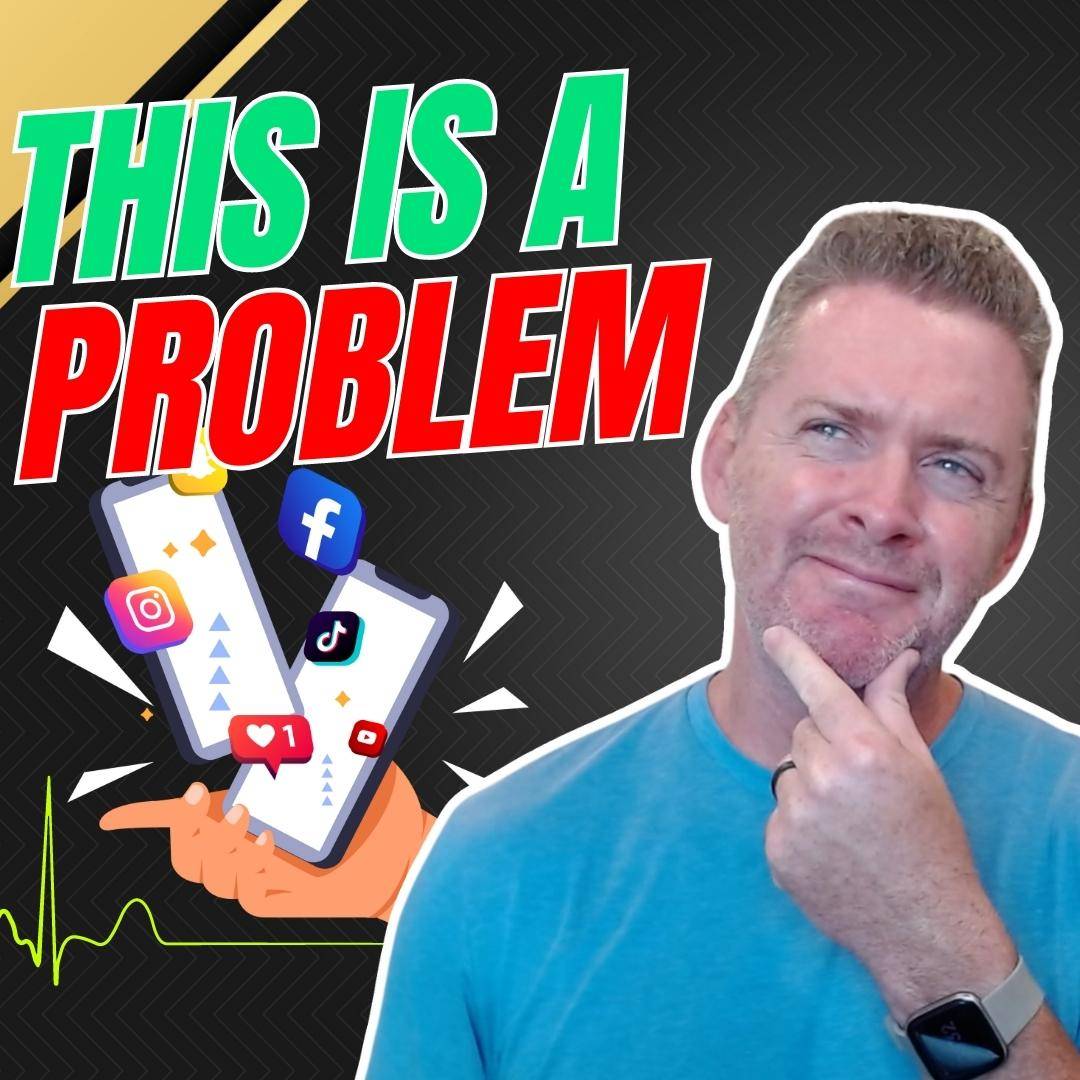
Speaker 0 00:00:00 Well, almost every church nowadays is using social media to engage with their community and the people within their church. But over and over we're seeing some of the same missteps that churches are making that are actually killing their engagement on social media. And in this conversation, we're gonna unpack eight of 'em. Let's do this. You are listening to The Reach Right podcast, the show dedicated to helping your church reach more people and grow. Well, hey guys, I'm Thomas.
Speaker 2 00:00:31 I'm Ian.
Speaker 0 00:00:32 And today we're talking about eight social media missteps that churches make that are actually killing your church's engagement on social media. I think it should be a good conversation to dig into. Yeah. Um, almost every church we talk to knows the importance of social media, uh, that it is something that they need to be doing. Yeah. Um, I think a select minority are doing a very good job when it comes to social media, but it's a huge thing. I think sometimes social media is kind of an afterthought, uh, for a lot of churches. They just kind of try to limp along and get it done right when it really is one of the biggest opportunities that we have to communicate the gospel and the stories that our churches are putting out there. And so it is an enormous opportunity for us as churches, but we are seeing some of the same mistakes that churches make that we want to kind of just discuss. And maybe, uh, you've made some of these mistakes, and if so, maybe you can think about correcting them and we'll give you some ideas on how you can do that. So, yeah, it seems like a plan today, Ian
Speaker 2 00:01:31 Seems like a plan. Hopefully these will be some, uh, marching orders, so to speak, or just the, uh, things that churches have not thought of or, uh, maybe just, uh, the light bulb goes off. Oh my gosh, I am do making these mistakes. And, uh, yeah. And the word engagement, I think I'll mention before we dig into our first point is become a very big deal, um, primarily since the pandemic. I think when we were forced into, you know, when churches were forced into making sure that they're connecting with people online more during that time, the word engagement became a big deal. So not just a first time visitor, but someone following you, staying engaged with your content. And obviously from social media, that's, that's a big place to making, making sure you're engaging people for sure. So yeah, I'll kick us off with the first one here. Oh, go ahead.
Speaker 0 00:02:18 No, so engagement is, is the key. That's the, uh, yeah, that's the centerpiece. And I think that, um, that that's the thing we should be measuring is, yeah. And by engagement, it's how many views are we seeing on these posts and how many people are liking and commenting and, and you know, the number of followers you have and that stuff that really matters less and less now, because most, most social media platforms, they're showing your content to non followers just as much if not even more than people that actually follow you. Yeah. So, yeah, I think that engagement is the key and it's the mesh, the, the kind of the combined metric we should be watching the most.
Speaker 2 00:02:53 Yeah, absolutely. Well, I'll kick us off at the first one. And this one I think is fitting that it's first is inconsistent posting on social media. Yes. Um, we know, we know that, you know, pastors get busy, ministry leaders get busy with other tasks, but you really have to be consistent. If people are expecting content, and if you've put out good content and you've seen results on social media, you need to keep that up to keep people engaged, like we're saying. Yeah. But also because the algorithms really on social media, look for this. And this could really impact how visible you are and, uh, and, and you coming up, you know, front face for the people that you're trying to engage on social media. Um, so things to definitely watch out for is if, you know, you're seeing followers commenting on the, in infrequency of your posts. So if people are saying, Hey, you know, I was, I was, that's
Speaker 0 00:03:48 A telltale sign, isn't it? Yeah. Yeah.
Speaker 2 00:03:49 I was, I was loving this pastor for a while and, and it's what, what, what happened? And uh, and then, you know, obviously if you're seeing, um, a, a drop in engagement metrics and, uh, and then of course losing followers over time, that, that, that can be the end result is just that if you're not being consistent, people are gonna move on. Um, so, and you don't want that, but
Speaker 0 00:04:11 Followers matter less than ever. I think that the thing that Sure. Um, with the inconsistent posting, we were intentional with this word, we didn't say not posting enough. Right. It's, it's more a question of consistency than it is a question of volume. There go. And this is the thing I think that we miss a lot, a lot of times we, we get into this, I we get this idea in our heads that good churches, or if I'm doing my job right, I'm gonna post every single day on every single platform. And that is a rhythm that is very time consuming. Yes. To make good quality content on every social platform every single day Right. Is something that will take one to maybe multiple people full-time on staff Yeah. At a church to be able to pull this kind of thing off. So that's just not realistic for the vast majority of churches that are listening to this.
Speaker 0 00:05:02 Right. Um, so I think the key more than like posting a lot, is posting consistently. So what you need to do is have a hard conversation with your team there of what kind of schedule can we consistently do, uh, and on which platforms that would be a, a rhythm that we can actually maintain for a long extended period of time. Think of this like, what can we do for the next two years? So yeah. A hundred weeks in a row, what posting rhythm can we have here? I would take it on a weekly basis, and then you want to probably choose the platforms and then choose the frequency. Uh, yeah. So we just did a, a episode I think last week where we talked about the, uh, an ideal posting frequency for some of these social platforms. Uh, it is not what it used to be.
Speaker 0 00:05:49 It doesn't have to be every single day. Uh, yep. But, you know, you just won't be able to do it all. You won't be able to have that frequency that you want to have. And if you, unless you have, uh, you know, lots of money to invest in staff and resources to invest here, it's gonna be really challenging to do that. So, um, my encouragement is find that schedule that works and stay consistent with it. Don't let anything let you deviate from that pattern that you've set up there. Yeah. And, you know, maybe it's gonna be just Instagram and we're gonna do three posts a week. That's, that's the rhythm we can handle. That's okay. There's nothing wrong with that. Yeah. Now, you would get better results if you did more channels and you were able to put in more, but that's a good consistent rhythm, and it's better to do that than to post on Instagram and every other channel for one week for five days in a row, or, you know, five days in a row, really, really hard. And then not do it again for three months. That's much worse. And it'll get you far less in results. So anyway, yeah. That's some thoughts on inconsistent posting there. Yeah.
Speaker 2 00:06:46 Good points. Good points. Alright,
Speaker 0 00:06:48 Next one. Uh, not engaging with your followers. This is another one that I, uh, see. You should make it your goal, especially as a smaller social media account, which I imagine most of the people listening to this podcast don't have tens of thousands of people following them. If you have Sure. Under, you know, on YouTube under a couple thousand subscribers, if you on any platform under a few thousand subscribers, make your goal to respond to every single comment, at least the first few. Yeah. On any post that gets out there. Sometimes you'll wind up having a post that kind of goes viral and there's hundreds of comments. You don't need to do a, an emoji on every single one of them. It's okay. Yeah. <laugh>, uh, but, you know, the first four or five or six comments Yeah. Make it your goal to respond. Now we have another whole episode we've done on how to deal with people that are getting nasty in the comments section with you.
Speaker 0 00:07:35 Right, right. The secret is, if it, if you have control to delete it, just do it. Um, just get rid of it. But if it's not nastier, even if it's a disagreement, but it's done in a tone that is kind of a civil, and maybe from a form of like a question of what you think about things. Engage. Engage, yeah. And even if someone says, Hey, great or thanks, or just gives you a thumbs up, give them a thumbs up back. Or in Hawaii we give shakas, here is what we do <laugh>. So give those emojis. It's all a, any kind of a comment or response you can have to your followers when they're commenting or liking your posts. Yeah. Do it because that's a signal to all social media platforms that this is engaging content. Yeah. And it'll help you to get your content in front of more people there.
Speaker 2 00:08:18 I wanna let you, uh, it lets them know that you also care about, uh, their comments and what they're <laugh> what they're saying to you. So, yeah. That's a good point. So, well, I'll grab this next one. Poor quality content. Yes. So thi this is a big deal. I mean, I know that, again, there's churches with limited resources, but honestly, you don't have to have a big media budget or, you know, high end cameras. Uh, it's great if you have those things and if you can do invest in those things, but, you know, are you having grain? Do you have grainy images you're posting? Is it generic stuff? Are there shaky videos? And those types of things there. I mean, that stuff really, again, gives people a bad impression. Um, but also it's just not engaging. Yeah. Um, and so, you know, that's, if you're getting feedback about the quality of your posts, then that's a good sign, uh, you know, if people aren't sharing it. Um, and so definitely, and if they're not engaging in it, so make sure you put out there, put some quality content out there, and it's, if you're gonna be posting regularly, which we're recommending, of course it's worth doing it. Well, <laugh>. Yeah.
Speaker 0 00:09:24 Yeah. I I think we, when we, when social media started, it was like just, you posted like kind of normally whatever was happening in your life. At least that's how we did it, you know, back in our MySpace days, Ian. Yeah. And then you and I met each other right around the time face. We got Facebook accounts and Yeah, you would post just a little bit of text about, um, hey, you know, having fun at the baseball game tonight. Yeah. We didn't really have a lot of photos or something.
Speaker 2 00:09:48 I'd check in, I'd check in when I got to work and
Speaker 0 00:09:50 You would check in <laugh>, we would check in. That's true. <laugh>. And then, you know, you'd then, then imagery came along and, you know, famously we took pictures of food and they weren't really good because they were done on flip phones in some cases. And, you know, it was, remember social media was primarily things we did on computers, not on our smart phones when we first got them there. So. Right. It really has changed, but, you know, the, the, the idea that like, we can't just kind of, you won't fall backwards into good quality content. Yeah. It takes some planning to do it. You can't just kind of sit there on a, on a Monday after service, and that's the day you're supposed to post and say, okay, uh, let's just think of something in 30 seconds here and type it up and put it on there.
Speaker 0 00:10:31 Let's just kind of choose a random scripture and make a graphic out of it and we'll just call it good. That stuff just doesn't work anymore. It might've worked five, six years ago. Right. That's just not the case anymore. You probably need to have a real strategy, have plans, and maybe, you know, a good post, uh, especially when we're talking about video and short form video posts that might take an hour or two to really put something great together. Yeah. But the reach and the engagement may be worth it for you. So Yep. Uh, take the time and do good quality posts. The next one, uh, kind of like it, this is a mistake that makes for lack of quality posts. Yeah. Um, a mistake I see churches make is they're doing overly promotional posts or they're doing promotional posts too often. Too much of their balance is promotional posts.
Speaker 0 00:11:15 And so yeah. By promotional posts, I mean things like, Hey, we have this event coming up. Uh, hey, have you been baptized yet? Uh, hey, we have a great service coming up this week. Will you come at nine o'clock on Sunday? These things that are asking people to, to do something promoting a service or something happening at the church, this should be a small fraction of your church's social media diet. Uh, yeah. This is a mistake that so many churches make where the majority is, here's what's happening at the church. It's internally focused to get people that are already members to do something that we want them to do. Yeah. And you have to remember that most people on your social media that are gonna see your content now are not followers, so they're probably not members. Yeah. And so you need to think about, hey, if that's the case, you know, this invitation to come to like, um, the, the next, uh, membership class at our church.
Speaker 0 00:12:11 Right. It's probably not gonna be really valuable content for them, right. Because they don't even live near me in some cases. Or if they do, they haven't even been to a Sunday service or know who I am. Right. I want to engage them with other content there first. So really watch that. I think the right rhythm is probably one to maybe two, um, posts per week if you're doing a daily posting schedule. So, you know, that comes out to like most weeks, I would say one. So call it like 15% of your posts can be somewhat promotional in nature. Uh, any more than that. I think you start to, you know, saturate a little bit and it's something that would probably put off and reduce your engagement long term when you do that.
Speaker 2 00:12:53 Yeah. No, that's good. That's good. I'll tackle this next one, which I think is also important. Not adapting to platform norms. What do we mean by that? Each social media, you know, platform, Instagram, Twitter, Facebook, it kind of has its own vibe. Um, it has its own way of doing things. So for instance, the way you post on Facebook is not gonna be the same as far as how you post on Twitter, uh, or Instagram. Um, so the, they all have their different way about going things. And while, um, I know for the longest time, me personally, I use Facebook and not Twitter. I, I'm sorry, not, uh, Instagram. I'm actually, uh, I'm more on Instagram these days. I've made that switch. It just kind of happened. Uh, but, uh, but at the same time,
Speaker 0 00:13:41 How you love you, it's great. That's awesome.
Speaker 2 00:13:42 You know, I, I gotta try, right? But, uh, but basically, you know, a lot of, you know, churches may just be posting on Facebook and, and yes, those can automatically go to Instagram and some of that's helpful, but at the same time, there needs to be some unique posting on Instagram as we've talked about. It's a very photo heavy, while Facebook has that, you know, it's just different. You can't just get away with the same type of posts across these, these platforms. Yeah.
Speaker 0 00:14:11 I, I think so. Some of them are more similar than others. Um, yeah. But I think that you can't, for instance, put the exact same post, uh, on TikTok and LinkedIn. Right. Of course. You wouldn't want the exact same content going on those two channels. And it's easier to do that. It's easier to write one blurb and one do one video and tie 'em together and put 'em out on all the social channels. And you conceivably could do that. I just don't think it'll get you the best results. You want to tailor your messaging for each platform now. Yeah. The, the exception is that we recommend now that when it comes to short form video, um, so channels like TikTok, Instagram reels, Facebook reels, YouTube shorts, you can put the same video on all four channels right now. I actually recommend that you do that.
Speaker 0 00:14:59 You just wanna probably change the text that goes along with each one of them. For YouTube, it's still a much more search based, uh, platform. So you wanna make sure you get all your keywords right and use the right keywords in there. Uh, and then for, uh, Instagram reels and Facebook, it's a little bit of a different audience. It's probably, it trends younger still on TikTok, and so you want to maybe use a little bit of a variation of some of the copy used there, but the video is the same. Um, that's totally fine to make it that way. Yeah. So that's
Speaker 2 00:15:28 Good. No, that's good. That's good stuff. I think you got the next one here.
Speaker 0 00:15:31 Next one. Uh, ignoring feedback, uh, this is something that is kind of a fine line because there is feedback to be ignored, right? Mm-hmm. <affirmative>, we just, um, we, we, we, when you post a lot, um, as we do here at Reach, right? We get all kinds of feedback and we get some really terrible feedback. We might do an episode one time dedicated. Yeah. We should
Speaker 2 00:15:50 Just to
Speaker 0 00:15:50 Like reading, uh, like, it's kind of like that mean tweets that Jimmy Kimmel does where they read mean tweets. That's, if we just read the mean comments and the bad feedback that we've gotten over the years, uh, it might be a fun episode. I don't know. Maybe let us know in the comments if you want us to give that a shot. Uh, so definitely ignore that, you know, there, there's gonna be haters out there, ignore those kinds of things. But if you tend to get feedback, uh, that is consistently saying, Hey, I see something differently. I'm not saying you necessarily have to like change what you're doing, but it probably, if one person, or if these few people are thinking this, chances are a lot of people are thinking the same thing. So it's at least something that you want to address. Yeah. If someone is consistently bringing up something.
Speaker 0 00:16:33 So for instance, for us, we, we are doing a, a series of shorts right now in our social platforms mm-hmm. <affirmative> that are a, we've repurposed a, uh, podcast episode and some other videos we've done about pastor salaries because people are always shocked to hear how little, and some shocked at how much pastors make, and it really is all over the map. But, um, we've been getting a lot of feedback that people, when they see it in a short form, a lot of people are more likely to think that while pastors are all overpaid, when it's just a short form video appealing to a really broad audience on these channels. I, I've had multiple people, a lot of people tell us, Hey, that's a bad look to be even. Yeah. Like talking about this as a, as a leader of a church, uh, you should be cautious with these kinds of things. And so that's something we should at least maybe consider or at a minimum kind of address with our audience, because chances are a lot of people are thinking it. So that's the thought there. Yeah,
Speaker 2 00:17:25 Absolutely. Very important. So this next one here, a lack of variety in content. So we talked about, you know, poor content mm-hmm. <affirmative>, we've talked about not being consistent, but, you know, and we understand when you're consistent. Sometimes it could be a challenge to, to have variety out there, but you definitely need to make sure that you're providing variety and you're not always just, I mean, what did we see? It's funny when we were talking about when, when we first started using Facebook and, and, uh, when churches started first using it, what did we see them only post events and then like a scripture or verse of the day. Yeah, exactly. And, and while those things are good, uh, you need a lot more variety in there and not become, don't become predictable. 'cause that gets boring. Mm-hmm. <affirmative>, you know, gets, get some things in there, get some testimonials, get some community spotlights on people, maybe behind, we've said this before, behind the scenes stuff that maybe you're, you're doing at the church to prepare for an event and just, you know, authenticity. There's a lot of different types of things that you could be doing, but you wanna definitely have variety to to keep it spicy.
Speaker 0 00:18:33 Yeah. Yeah. We're all for, um, repurposing content right now. Uh, and I think that's really valuable. But I think that we can quickly pass the line of like, if we're just repurposing content and specifically we're talking about short form video again for reels and TikTok and YouTube shorts, those kinds of things. Yeah. Um, if you're just repurposing that and you're doing it like more than a few times a week, it starts to become, Hey, I've already seen this. The guy was wearing the same shirt the last time I saw this video. It's probably the same video. People just kind of continue to scroll that way. Uh, so you wanna be cautious with this. I think that you, you can't have the same thing over and over and over again. Yeah. And you do need to change it up a little bit just to throw a curve ball out there. So if you're doing one or two or maybe three repurposed videos every single week from your sermon, you know, maybe consider doing a different kind of short video that, uh, would be a, a quick question and answer or, uh, an invitational type video if you wanna do that one promotional post Yeah. Uh, per week to be that. So change it up and I think you'll start to see better results. Don't make that mistake there.
Speaker 2 00:19:37 That's good. That's good. All right,
Speaker 0 00:19:39 Last one, uh, is avoiding current events and social issues. So I say this one as well with a caveat. Um, social media is probably not the best place to have an entire discussion on some of the most challenging theological and social topics of our time. Yeah. So we don't recommend that your church produce content about politics in general. Yeah. So you know who you should vote for. Obviously there's all kinds of reasons for that. Um, I don't think that, um, like trans, uh, L G B T Q issues are great for churches to have those discussions on social media online. Yes. But social media, it just doesn't lend itself to the nuance that you need to have to have a full conversation on these kinds of issues or the abortion issue or other, you know, kind of hot button issues that churches and pastors we deal with here.
Speaker 0 00:20:35 So I'm, I'm not saying avoid the issues. I'm not saying you shouldn't talk about them. I'm just saying that a 15 second clip is not going to let you give the nuance you need to, to make someone who is struggling with transgenderism Right. Feel both loved and the, the truth spoken, uh, with them at the same time. It's just not right. It's, it's impossible. It's not the format for it. So yeah. Have those things online, put them out there, but don't try to give all of that away there at the same time. So that's the socialist you side current events. Um, so we're filming this a few weeks after, uh, the Maui fires here in Hawaii.
Speaker 2 00:21:11 Yeah, yeah.
Speaker 0 00:21:12 Um, I think current events, if you just ignore some of these things, especially here for our church to just kind of have our schedule and stay with it. Like, we didn't have the Maui fires on our schedule, so we're not gonna post about it. That's a huge no-no to do that there. Right. Right. So you need to be flexible when these things arise that will require you to say something or it's valuable to, to right. To kind of bring these up in some of your social content there. So I'd say on average, like every four to six weeks you'll have some of this kind of content that needs to be brought up, but it always will play well. I'm not saying that it's you, these, these Maui fires. I don't mean to make it like it's a play, but I think Right. Just things that are maybe less negative or less, uh, sad news. Just if they're big, maybe even there's social trends or things that are happening or Yeah. Challenges that you see on social media. Yeah. Don't be afraid to jump on some of those because you will get some extra engagement just by kind of connecting with those trending hashtags or some of those things that are happening. But especially when it comes to some of those big sad pieces of news, make sure your church is ready to have a response and talk about what you're doing to help in those kinds of situations.
Speaker 2 00:22:21 Yeah. And that all last thing I'll add to that shows that you care obviously. Yeah. 'cause I mean, if you ignore big events like that, it, it, it just gives the impression that you're out of touch with the, the, the world events and Yeah. And with culture and those types of things. You want to be, churches want to be relevant, they want, they wanna pray for these types of things when they happen. Or even sometimes churches are, you know, uh, offer support, uh, um, as they should when these types of things that are tornadoes happen or whatever it is. Uh, big. Yeah, big events, um, you know, definitely shows that you care shows people that are following you, that your church is aware of these things. So that's
Speaker 0 00:22:56 It, that's what we're here for as a church, so. Yep.
Speaker 2 00:22:59 Um,
Speaker 0 00:22:59 Yeah, that's good. But I wanna know something. What missteps has your church made? Have you seen any, like, major mistakes that a church has made on social media? Have you seen something that like, was really funny, uh, because you can't believe a church, put that on social media? I'm sure I've done some of those kinds of things before, but let us know about those down in the comments. Uh, we'd love to hear some of your horror stories there. Uh, yeah, if you have found this helpful, it would mean a lot to me if you would rate, review, subscribe, do those things. Uh, thanks so much guys for being a part of the reach Right. Family. One more thing before you go. All of these episodes, we try to source them from the comments that we get on our YouTube feed or on our blog posts. So if you have any questions or things you want us to cover in a future episode, let us know about that down in the comments too. Thanks for being a part of the Reach right family. And we'll catch you next time. See ya.