Dominating Local SEO: A Church’s Guide to Mastering Google Business Profile

May 02, 2024 00:19:29
Dominating Local SEO: A Church’s Guide to Mastering Google Business Profile
REACHRIGHT Podcast
Dominating Local SEO: A Church’s Guide to Mastering Google Business Profile

May 02 2024 | 00:19:29

/

Show Notes

In today’s digital world, getting your church noticed locally is vital. That’s where local SEO and Google Business Profile come in. Imagine your church popping up first when people search online for nearby churches.

That’s the power of mastering Google Business Profile (previously called Google My Business). This article is your guide to making it happen. We’ll break down the steps in easy-to-follow language, so even if you’re not a tech expert, you can boost your church’s online presence. This podcast will cover an overview of SEO, Google Business Profile, and church local SEO strategies.

Get ready to reach more people in your community, make a difference, and grow your church with the help of local SEO and Google My Business.

Let’s dive in.

Estimated reading time: 10 minutes

Understanding Local SEO for Churches

Understanding Local SEO for Churches

Local SEO (Search Engine Optimization) is like a roadmap that helps your church appear on search engines when people nearby are looking for churches. It’s all about making sure your church website shows up in local searches.

Let’s break it down with some simple questions:

What is Local SEO?

Local SEO is how search engines like Google or Bing decide which websites to show when someone searches for something nearby.

For example, if someone types “local churches near me” into Google search, the search engine uses local SEO to determine which churches are most relevant to that person’s location. This means that if your church has good local SEO, it’s more likely to show up at the top of the search results when people in your area are looking for a church.

How Does Local SEO Work?

Local SEO works by taking into account a few key factors. First, search engines look at your church website to see if it’s relevant to the search query. This means that your website should include information about your church’s location, services, and activities.

Second, search engines also consider other factors, like online reviews and directory listings, to determine how trustworthy and authoritative your church is. The more positive reviews and accurate directory listings your church has, the better it will rank in local search results.

Using Local SEO

By understanding how local SEO works and optimizing your church website accordingly, you can increase your chances of showing up at the top of search results when people in your area are looking for a church.

This means more visibility for your church, more visitors to your website, and ultimately, more people coming through your doors to worship with you.
Google Business Profile for Churches

Google My Business for Churches

So that’s local SEO. But what is Google My Business, and how does it all connect?

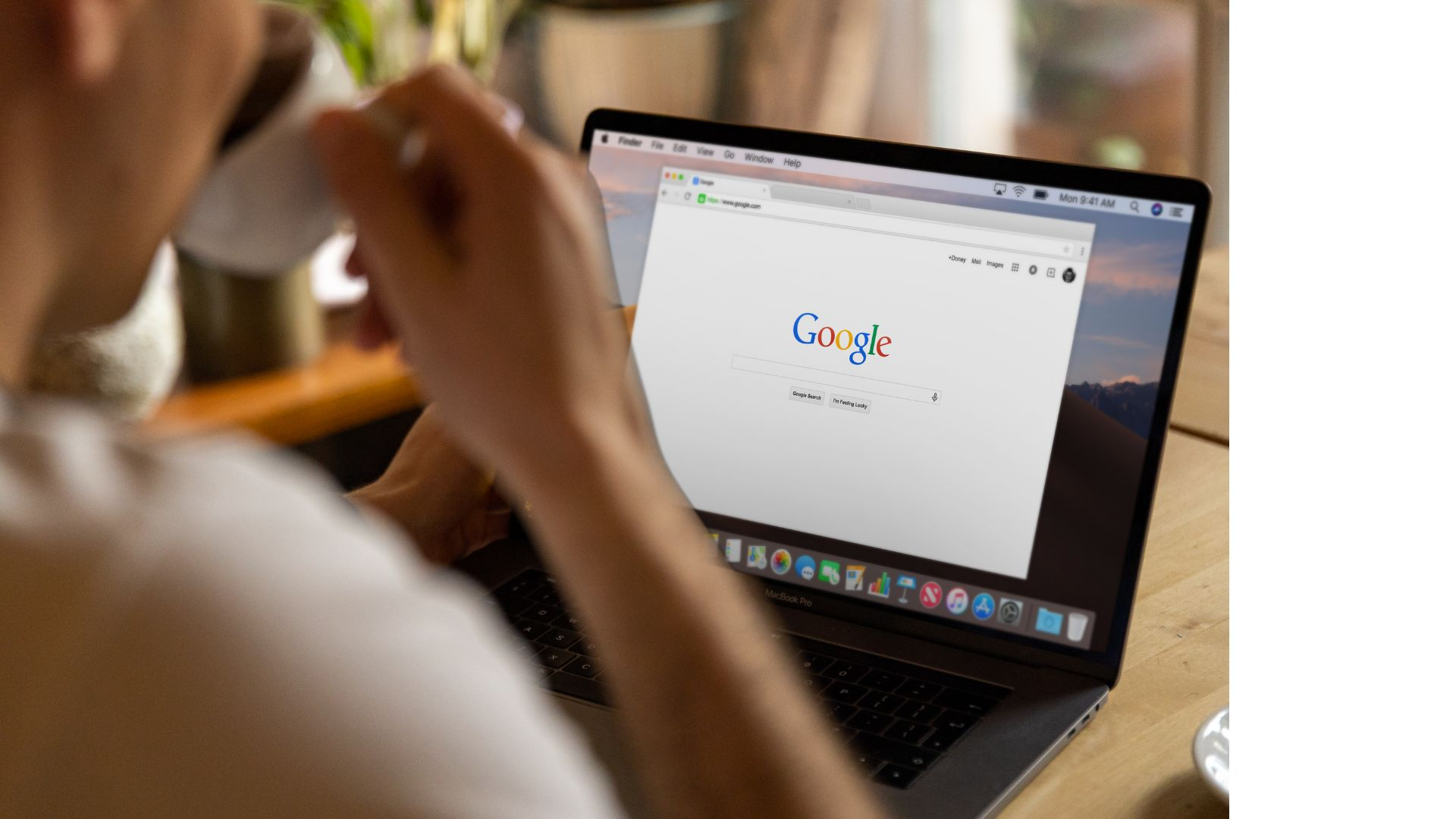
Google Business Profile is like a digital storefront for your church on Google. It’s a free tool that lets you manage how your church appears in search results and on Google Maps. With Google My Business, you can add important information about your church, like your address, phone number, and hours of operation.

You can also post updates, respond to reviews, and even see how many people are finding your church through Google. It’s an essential tool for getting your church noticed online and connecting with people in your community.

So what does all this mean? Google Business Profile is a tool that will help your church with local church SEO. Essentially, Google My Business provides you with multiple easy ways to get your church to appear higher on Google when people search for nearby churches. Sounds pretty useful, right?

Let’s dive into how you can start using Google My Business to boost your church SEO.

Getting Started

Here are some simple steps to start with Google My Business (GMB) for your church:

  1. Visit the GMB website and sign in with your Google account.
  2. Then, follow the prompts to add your church’s name, address, phone number, and website. Make sure all the information is accurate and up to date.
  3. Next, verify your church’s listing by phone or mail. Once verified, you can add more details like your church’s hours, photos, and a description.
  4. Don’t forget to link your GMB profile to your church website to boost online visibility.

With these simple steps, your church will be ready to shine on Google!

Creating Compelling Content

Creating compelling content with Google My Business for church websites is easy and important. Start by uploading high-quality photos of your church’s interior, exterior, and events. These visuals help people get a feel for your church online and encourage them to visit. You can also share videos of sermons or special activities to engage your audience further.

Additionally, use the post feature to share updates, inspirational messages, or event announcements directly on your GMB profile. Encourage church members to leave positive reviews, which can build trust with potential visitors. Remember to link back to your church website in your posts to drive traffic and provide more information.

By regularly updating your GMB profile with engaging content, you’ll attract more people to your church and strengthen your online presence.

Engaging the Local Community

Engaging the local community with Google Business Profile is crucial for your church’s outreach efforts. Encourage church members to interact with your GMB profile by leaving reviews and sharing their experiences. Use the events feature to promote upcoming activities, enticing locals to attend.

Since many people use mobile devices to search for nearby places, ensure your GMB profile is mobile-friendly. Respond promptly to inquiries and reviews to show that your church is active and responsive.

Additionally, share a blog post or two on your GMB profile to provide valuable information and engage the community further. By actively participating in GMB and providing relevant content, you’ll attract more visitors to your church and strengthen connections with those in your neighborhood.

5 Church Local SEO Strategies

5 Church Local SEO Strategies

You understand local SEO and how to use Google My Business to enhance your search engine optimization. Now, it’s just time to ramp it all up to the next level. These five SEO strategies will take your church website up near the top of the Google search page.

Let’s jump in.

1. Optimize Your Church Website

Optimizing your church website is key to improving its visibility in local searches. Start by conducting keyword research to identify relevant terms that people in your community are searching for, such as “church near [your location]” or “Sunday service times.” Incorporate these keywords naturally into your website content, including headings, titles, and descriptions.

Ensure that your website is easy to navigate and mobile-friendly, as many people use their smartphones to search for local businesses, including churches. Include clear contact information, such as your address, phone number, and email, on every page of your website.

Additionally, create location-specific landing pages or sections on your website to cater to different areas within your community. This can help improve your church’s visibility in local searches for specific neighborhoods or districts.

Regularly update your website with fresh content, such as blog posts, event announcements, and community news, to keep visitors engaged and encourage them to return. By optimizing your church website, you can attract more visitors and strengthen your online presence in the local community.

2. Get Listed in Online Directories

Getting listed in online directories is an essential step to boost your church’s visibility in local searches. Start by submitting your church’s information to popular online directories like Google Business Profile, Yelp, and Yellow Pages. Make sure to provide accurate and consistent information, including your church’s name, address, phone number, and website URL.

Additionally, consider niche directories or church-specific platforms where potential visitors might be searching for local churches. These directories can help your church stand out among competitors and attract visitors who are specifically looking for religious services in your area. Regularly monitor and update your listings to ensure that all information is current and correct.

When you get listed in online directories, you increase your church’s online visibility and make it easier for people in your community to find and connect with your church.

3. Encourage Online Reviews

Encourage Online Reviews

Encouraging online reviews is a powerful way to boost your church’s reputation and visibility in local searches. Start by asking satisfied church members to leave positive reviews on platforms like Google My Business, Facebook, and Yelp. Let them know how much their feedback means to your church and how it helps others in the community discover your services.

Make it easy for church members to leave reviews by providing clear instructions on your website, social media pages, and in-person interactions. You can also send follow-up emails after events or services, kindly asking attendees to share their experiences online.

Respond promptly and graciously to all reviews, whether positive or negative. Thank reviewers for their feedback and address any concerns or issues raised. This shows that your church values community feedback and is committed to providing a positive experience for everyone.

By actively encouraging online reviews, you can improve your church’s online reputation, attract more visitors, and strengthen your presence in the local community.

4. Create Local Content

Creating local content is essential for your church to engage with the community and boost its visibility in local searches. Here’s how you can create compelling local content:

By creating local content that resonates with your community, you can strengthen your church’s connection to the area and attract more visitors to your website.

5. Analyze and Adjust

Analyzing and adjusting your church’s local SEO strategy is crucial for maintaining and improving its online visibility. Regularly monitor key performance metrics such as website traffic, search rankings, and engagement on Google Business Profile. Use tools like Google Analytics and GMB Insights to track these metrics and identify areas for improvement.

Pay attention to which keywords are driving the most traffic to your website and adjust your content strategy accordingly. If certain pages or posts are performing well, consider creating similar content in the future.

Additionally, monitor your competitors’ online presence to see what strategies are working for them and how you can adapt or improve upon them for your own church.

Based on your analysis, make necessary adjustments to your local SEO strategy. This might include updating website content, optimizing your Google My Business listing, or refining your keyword targeting. By regularly analyzing and adjusting your approach, you can ensure that your church remains competitive in local search results and continues to attract visitors from your community.

Church Local SEO

Church Local SEO

In conclusion, mastering local SEO is essential for your church’s online visibility and community outreach.

By optimizing your website, engaging with Google Business Profile, creating local content, and encouraging online reviews, you can connect with more people in your community and attract visitors to your church. Regularly analyzing your performance and making adjustments based on data insights will ensure that your church remains competitive in local search results.

Remember, local SEO is an ongoing process, so stay committed to providing valuable content and engaging with your community online. With dedication and strategic effort, your church can dominate local search results and continue to grow its impact in the community.

We hope this was helpful! Let us know of any more SEO strategies you know in the comme

More Resources on Church SEO

View Full Transcript

Episode Transcript

[00:00:00] Speaker A: If you're just getting started out in church marketing and you're looking for an easy win, I would look no further than local SEO. This is the search engine optimization tactic that helps your church show up when people type in searches like churches near me. And in this conversation, we're going to unpack five tips that'll help your church reach more people through local SEO. Let's do this. You're listening to the reach, right? Podcast, the show dedicated to helping your church reach more people and grow well. Hey guys, I'm Thomas. [00:00:35] Speaker B: And I'm Ian. [00:00:36] Speaker A: And today we are talking about local SEO for churches, which means how people find your church online when they're looking for churches near me in your area, and how your church can actually rank better on local searches. So, should be a good conversation. Hi, Ian. [00:00:52] Speaker B: It should be. And it is our 200th podcast, is it not? [00:00:57] Speaker A: It is, yeah. I'm excited. It's quite a milestone for us here. Back when we first started, we would say this is episode number. Whatever. I think about 60 or 70, we'd say episode numbers on this. We don't do that anymore because. No, seems that we care more than our audience does about what episode number it is. But this is a milestone. It is 200 episodes, almost four years. Lot of work doing the podcast with you, Ian. It's been a good time. [00:01:21] Speaker B: Yeah, it has been a good time. I will tip my yeti full of water to it. So there you go. [00:01:26] Speaker A: I'll tip my ember coffee mug because it's early here in Hawaii. [00:01:29] Speaker B: That's right, earlier there. I know it's after lunch here for me. [00:01:32] Speaker A: So that's it. So. Well, cool. I think this should be a really good conversation though. You know, local SEO is something that is dear to our heart. It is. I think this is like some of the lowest hanging fruit for churches to reach more people. If you want to see more visitors in your walk through your doors, getting this right, it's not going to solve things by itself. It won't grow a church just by doing it. You have to have a lot of other things in place. But it is the first, the literal first impression a lot of people have with your church because it is something that is happening when people type in churches near me and then this is like what it says on Google and their first experience on your site, that's what they see. So a lot of times we talk about first impressions and we think it's like, hey, right when they sit down and the worship starts or those things, this is like the first of the first impressions. That's right, your local SEO. So we have some tips that we want to share with you guys. But before I even get into the tips, I do want to mention this. So we have a tool built into our website that does a totally free local SEO rank checker to just kind of see how your church stacks up right now on local SEO. So I want you to take advantage of this. It's something that we provide for free for churches. Actually cost us a little bit of money every time someone runs one. So don't run it for all your every church in your town, please. But if it's something that would help you, and I hope it will take us up on this, it's a totally free checker. To see kind of how you rank on that, I'm going to put a link down in the description. If you're watching this on YouTube, if you're on our website watching this or listening to this, you'll find it in the description and the show notes here. So take advantage of that, see where you rank and that will kind of help you set a baseline and you can start to measure from that point on. Some things that we're gonna give you today should help you improve some of those metrics so that you are that church that ranks high. So we do this. I know how important this is. I pastored a church in Madison, Wisconsin for six years. We were never a very large church, 150 people or so, and our little church would come up consistently all throughout town. We would be one or two on Google search rankings locally for this small church. And this is a town that had mega churches and churches with thousands of people in it. So this is one place that really, regardless of size, even small churches can have a huge leg up in this area. So yeah, absolutely. Something churches of all sizes need to be thinking about. So with that, I'd love to dig in and talk about some of the things that kind of five important strategies that we consider when we're thinking about local SEO. So some practical steps you can take to improve your ranking there. So the first one is to optimize your church website for local SEO. So this is a really broad one, a big one. But local SEO is a little bit different from what we would call like organic or on page SEO, which is where you rank in the organic searches. We're talking mostly about where you rank in what's called the map pack. So when you do a Google search, there's usually for a local business, there's a map and it shows you like the top three or four listings that Google thinks is most important, and your website is actually a key part of that, but it's a little bit different. So what makes how you optimize your website is really by using the keyword and your location in your content on the site. So for churches, your keyword is surprise church and churches. So you want to optimize your website for those keywords. So here's how you would do that in your title of your website. So this is what you'd call like your h one tag, if you're getting technical. But just kind of think of it as the title of your website. The biggest words on the top of your site. Try to find the words church and your location in there. So, you know, if you have a, if your church name is something like First Baptist Church, obviously you're gonna have the word church in your title. Right. And then if your name is, if that is your name and you happen to be in Georgetown, Texas, you'll have Georgetown, Texas in there. So First Baptist Church of Georgetown, Texas. Right. That's a great SEO title to have on the top of your page there. Yeah. For other churches, the church that I pastor at now is called New Hope, Hawaii Kai. So we have our location in there, Hawai'I Kai, but we don't have the word church in our title. So that leaves us in a little bit of a predicament. Like what do we do? We don't have the word church in the name of our church. So kind of tricky. So what we usually do in this kind of a case is we will try to use a tagline that goes with it. So new hope, a church. A a church in Hawaii kai for people like you or something like that. We haven't. We're sorting some of these things out here at our church as well. So that's some things. That's the way I kind of think of that. So you want to optimize that. And then throughout the content on your site, specifically on your homepage, try to use locations in your content there. So use the word church. Use churches. You know, use locations. And here's one of the other tricky things, is that for a lot of churches, you're in a location, but you're also part of another location. So, for instance, my church is in Hawaii kai, which is a part of East Honolulu, which is a part of Honolulu, which is on the island of Oahu. Right. And because I'm in a small place, people could come from anywhere on the island and come to our church here. So we have to use lots of different kinds of locations in order to reach people, depending on what terms they're searching for. We don't want to just limit it to your area. So your area, Ian, you're in Georgetown, Texas, but right next to Round Rock, Texas, which people would generally call the Austin, Texas area. Right. So you want to use all of these kinds of terms when you're kind of creating content on your site there. So these are the things I would consider when we think about optimizing your website. Some of the things you look at. [00:07:50] Speaker B: No. And those are detailed, very important pieces. But just, just also to add to that, you want to make sure that your website is mobile, responsive, mobile friendly, easy to navigate, up to date overall, keeping sermons, events and those things up to date because Google also looks at that, not just these overall details that we just discussed. So also just make sure your website's up to date in general. Absolutely. And the next, the next thing that is often overlooked big time and not thought of is every church needs to get listed on online directories. Now, there are dozens and dozens of these and some that people are familiar with, of course, Yelp, yellow pages, people you know are familiar with Uber. But then there's all these other weird ones that we. That no one's ever heard of out there, like data, Axel or Zenrin and eight coupons and all these other bizarre ones that are out there. But why these are important is Google and the search engines are looking for your church's name, address and phone number to be listed accurately on all of these directories. And the thing is, is it's not a one and done. It's something that does take some ongoing work, but you at least want to make sure you get this done initially as well and get your church's name, address and phone number on these specific directories. [00:09:18] Speaker A: Yep. Yeah, that's good stuff. I think that it's not to say that the value of all these is the same. So, like, if you had to choose between like a citation on Facebook and a citation on eight coupons, like, I think that there's more weight to the citation on some of the more prominent ones, your yelps or apple maps or bing maps or some of those kinds of things. But yeah, I think we like for churches when we help them with this. I think there's something like in the seventies is the number of different citations we go for. So, yeah, that's just something you can do. Now if you're going to do it manually, you could pay a service. Like, we have a service that helps churches with this here. You could also do it manually, but it's just a lot of work to go in there and set up 75 different profiles on different sites. And then here's what the real killer is, is that these things tend to just change over time. So, like, people will go in and like, the public has the ability to edit some of these. So if they go on to yellowpages.com and they say, well, I don't think that's actually right. I think that the name of the church is a little bit different and they're actually not on this street, but they're on a different variation of the street. These things change up and so you have to keep an eye on it quite a bit. But yeah, getting these online citations, that is a major signal that Google uses to decide where someone's going to rank in a local search there. Yeah, that's good. Awesome. Next one is encourage online reviews. This one is also important. I'd say, let me reframe it to encourage five star online reviews. That's really important there. It really is both. And like, so I wouldn't, like, don't get all down about the fact that someone is giving you a bad review. This is going to happen. We have like, even with reach right here, we have like a four point something. But one thing that bothers me the most is they had this person that is a self described atheist that saw some of our content and got upset about it and put a review on Google about us. We never worked with this person or anything, but that stuff's going to happen. You're going to have these things happen at your church. People are going to review you and they're going to say things they don't, you don't want them to be saying about you. Really focus on what you can control. And so one of the nice things about Google reviews is they're not particular on whether or not you ask for reviews. In fact, they encourage you to ask for reviews. Other sites like Yelp, that's a big no no. They don't want you to ask for reviews. They want it to come naturally. But Google, they encourage everybody to offer reviews. And so at my staff meeting at my church just this week, I told all of our staff members, like leaders within the church, get on there and leave a Google review for us. Make sure it's five stars. I told them, even if you're upset with me about something, so I asked them all to do that. And so they're trickling in right now and just do things when you're having conversations I wouldn't be opposed to, even in announcements. If our church has been a place. [00:12:19] Speaker B: That you love, you've been encouraged or blessed. [00:12:21] Speaker A: It would mean a lot to us if you would share a review on Google reviews. And the way we frame it is to think of it more as a testimony. Think of it as a way for someone to practically tell someone how much they love the church. And it's a way to get their face out there and put their stamp of approval behind it. And it really makes a big difference. So, yeah, this will absolutely help you to show up higher in those local searches there. [00:12:44] Speaker B: Yeah. And just a good thing to all reiterate that you just said, because we have seen that some pastors and ministry leaders kind of have, have a tough time wrapping their mind around how to, or they feel like it might be awkward to ask for these. Think of it as a testimony. You said that obviously you're excited about what God is doing at your church. And if people are finding it helpful, which hopefully they are, nothing wrong with them going online and shouting from the rooftops there. So think of it that way for sure. Makes it a little less awkward. So good. [00:13:15] Speaker A: Yeah. [00:13:15] Speaker B: Next one is create local content. So what does this mean? So obviously you're trying to reach people locally within your community, so you want to be visible with local types of content. So you know, this is really good. Also think of it as if your church is outreach oriented and you're partnered with like a food pantry or a homeless shelter outreach, or there's a community events that are taking place. You want to make sure, not that you're an online newspaper for your local city or town, but obviously you want to make sure that you're relevant to things going on, any gatherings, activities that you're involved with within your church's community, outside the four walls, making sure that content is on your website and that you're creating content for that. [00:14:10] Speaker A: Yeah. So I think of this as an opportunity with church events. Right. So I think that it's a rethinking of how we talk about church events, especially online. So let me as an example, we just got through Easter here, and a lot of churches we work with, they do Easter egg hunts and community type events like that. So I think that when you talk about that, you need to online think of your Easter egg hunt, because I think every church that's a community event, right? So even though it might, you know, most people might be from the church, it is something that we hope people from the community will come to think of it that way and talk about it that way online. So instead of calling it the first Baptist Easter egg hunt 2024, what if you called it the Georgetown community Easter Egg hunt at First Baptist Church? If you use those kinds of things that way, if you're using a local location, a place that's there when people are online searching for Easter egg hunts in Georgetown or something to that effect, which people do search for those kinds of terms, people are looking. That great idea is with harvest parties or Halloween parties, those kinds of things. People will type in Halloween events in Austin. They'll do those kinds of searches. So when you talk about your events, rethink them online to be more community based events and not just like internal church events when we're talking about them. That'll help you to show up in that. And just, again, the rule I told you as the first point here is get your location content into your site. So write your city name, write Georgetown and Round Rock and Austin and put those kinds of things into your content everywhere you can. And that'll be yet another signal to Google that this is something that is for a local audience there. [00:16:02] Speaker B: Yeah, that's good. [00:16:04] Speaker A: Good. All right, last one. We end with this one quite often, but it's analyze and adjust. This is something that you need to do. I mentioned before that we have a free analysis tool that you can take advantage of, and the link, again, is down in the description for that. That's a tool that we put out there so you can take a look at where you stand right now, and then hopefully that will inspire you to make some of the necessary course corrections on things. So you want to analyze your citations that you have on other sites out there. You analyze where you're ranking right now. And then one of the things that I do is I get in the habit of taking a look at other organizations in my same area that are maybe ranking above me and seeing what they're doing that's different from what I'm doing. So, and I know with churches, like, so we're all on the same team for the most part, right. I think that, like, there's, if you're doing ministry properly, there's dozens of churches in your town probably that, you know, you are, you support them, you want them to succeed. You want to succeed. So it's not to say, hey, we want to beat them out or anything like that, but, you know, it is something that you're responsible for your organization and how you're leading it and you don't have to just look at churches. You could do some of the testing with if you just put in plumbers near me and take a look at their sites and see what they're doing differently from each other and make some corrections in your context of a church, you can actually just see some growth by doing this. So measure what you're doing, see how you're ranking on these kinds of things. Come back to our site and get another report in three months and see if there's been any change. Take us up on those kinds of things there, and over time you can make some of those course corrections. And yeah, you can actually start to see some growth in this area. So, yeah, we just encourage that you measure it and then take a look at what's working for other people and then change to make yourself more like that. So that's the advice there. [00:17:56] Speaker B: Like we always say, if you're doing the work, then you definitely want to know how that work is performing and serving you well. So. And results count for sure. So you definitely want to. And I like that you touched on the we don't like to think we're in competition to other churches, but the way I've phrased it when I talk to pastors and ministry leaders about this very thing is like, don't you want to be just as visible as the other church down the road? You know, don't you want to give someone the opportunity to see your church? And often, if you're not looking at what other churches are doing and if you're ranking below them, unfortunately, sometimes your church may not be seen. So definitely important to analyze that. [00:18:34] Speaker A: So, yeah, good stuff. Happy 200th, Ian. [00:18:38] Speaker B: Happy 200th more to come. [00:18:40] Speaker A: Hey, if this podcast has been helpful to you over the last, whether you've been with us for one or all 200 episodes, just want to thank you guys so much for being a part of the Reach Rite family. I hope we have been able to help your church reach more people and grow. That's the reason why we do what we do here at Reach Riot and why we do this podcast. So it would mean a lot to me if you would hit that like and subscribe button if you're watching on YouTube or subscribe to us on any podcast app that you're using to listen. If you're listening to us and leave us a comment, how is your church doing on local SEO? I'd love to hear if you have any questions on that. We do try to respond to every single comment that we get on these. It's a promise we have. As of now, we're still able to do those kinds of things. So drop us a comment down below and we'll catch you next time. See ya.

Other Episodes

Episode 0

June 24, 2021 00:31:22
Episode Cover

Seven Hacks For Better Mobile Web Design For Churches

In today’s episode, we unpack seven hacks to improve mobile web design for churches. Most of your browsing today is happening on a mobile...

Listen

Episode 0

April 15, 2021 00:37:33
Episode Cover

13 Engaging Social Media Post Ideas For Churches

In today’s episode, we discuss 13 Engaging Social Media Post Ideas For Churches. Every pastor knows that being on social media is an integral...

Listen

Episode

July 10, 2025 00:23:15
Episode Cover

These Follow-Up Mistakes Are Why Your Church Visitors Never Return

Your church worked hard to create a great Sunday service. The music was on point. The sermon was heartfelt. You even had fresh coffee...

Listen