Episode Transcript
Speaker 0 00:00:00 For a lot of churches, advertising is kind of like a four letter word, but it doesn't have to be. In this conversation today, we're gonna talk about 10 dos and don'ts for church advertising. We hope this conversation helps your church reach more people and grow. You're listening to The Reach Right podcast, the show dedicated to helping pastors and church leaders reach people the right way. Hosted by me, Thomas Costello, and with me, as always, is my co-host, Ian Hyatt. We're here to help your church see more visitors and grow. Ready
Speaker 2 00:00:41 To go Dump, dump. Ready to get dump, dump. Ready to get
Speaker 0 00:00:49 Well. Hey, guys, welcome to the Reach Right podcast. I'm your host Thomas Costello. And with me as always is my co-host
Speaker 4 00:00:55 Ian Hyatt. What's up, Thomas?
Speaker 0 00:00:57 Hey, man, I'm much excited to talk. Today we're gonna be talking about the 10 dos and don'ts of church advertising. I think it's gonna be a good conversation to have coming into a new year here. And I think a lot of churches are thinking about new ideas on how we can reach more people, and that's what we mean when we talk about church advertising. I know for some churches that's kind of a, a four letter word, like church advertising. And anytime we ever do any like ads on social media as a company at Reach right here, we are always hit by people that offer their comments on why advertising is evil and Right. The Holy Spirit will do it all for us if we just <laugh>, uh, lift up the name of Jesus that he'll draw all men to himself. And I, I agree. I I don't agree with their conclusion.
Speaker 0 00:01:42 I agree with the fact that the Holy Spirit is important in growing churches. Obviously, <laugh>, it's the, he is the central, uh, piece of that. Uh, we do believe that if we preach Christ crucified, that will grow our churches, that that's all important. But we also believe that it makes sense for us to do everything in our power. And one of our sayings here at Retry is we do anything short of sin to reach people with the gospel. Right? And so that's why church advertising, uh, or church outreach or church marketing, uh, is something that we help churches do. We specialize in digital marketing for churches. Uh, and so we have some, uh, dos and don'ts I think that should be able to help our audience with, uh, some of their new advertising initiatives coming up into the new year here.
Speaker 4 00:02:25 Yeah, absolutely. And I think at, at the end of the day, advertising boils down to reaching more visitors, which I, I think is evangelism. So, uh, now obviously it's not the end all be all of Avan. There's a lot of kinds of different ways to evangelize, but that's really, I think at the end of the day, what, what advertising should do Yeah. Uh, for a church.
Speaker 0 00:02:45 Yeah. You know, I think that anytime there's new technology or new methods, that there is always some resistance that comes with it. Like of course, uh, you know, you, you, there words debate in churches on whether or not they should, uh, involve microphones in their services, right? Like, so yeah. This is a debate from, well, 50 years ago, 75 years ago, a lot of churches had to make that move from, you know, just having a loud voiced pastor to one that's able to use a microphone. And there was a lot of debate, like, I'm sure people said some of that same stuff. Like, whoa, the Holy Spirit wants you to be heard. He can amplify your voice and they'll be able to hear it, and they can say those same kinds of things. Right? So I'm
Speaker 4 00:03:20 Sure there'd be a lot of pastors that wouldn't be around these days if, uh, if, if they stuck it out that way, so, yeah. Right.
Speaker 0 00:03:26 Not you and I, I don't think, I think we could have fade it. No, we're our, we're, we're, as our wives tell us all the time, uh, yes, we are loud working from home offices, that does tend to happen that way, so, yep. Anyway, well, we'll kick it off then. I guess we're, again, talking about the 10 dos and don'ts, and I think we'll go ahead and start with the dos. Yeah. Uh, so the first thing we need to do is make your, make sure you're choosing the best channels to be marketing on or doing advertising on. You want to be choosing the best channels for that. And I think this is really important right now, because the best channels, they change dramatically over even a short period of time. I mean, I don't even want to get into how much the, the channels are 100% different when you and I started helping churches do church marketing to what they are today, right?
Speaker 0 00:04:14 Yeah. So they're, the channels that we encourage churches to market on today didn't really even exist Yeah. When we started doing this. Right? So obviously if you're doing the same thing that your church did in 2005, uh, you're probably using the wrong channels. Right? But sometimes we get stuck in these ruts where like, well, this is what worked in 2017 so well for us. Yeah. Um, it's probably gonna keep working now, and that's just not the case, especially Yeah. When it comes to digital marketing, um, I think that that's something that if you're wanting to reach people online, what was working five years ago is very different from what's working today. Nobody even knew a bunch about TikTok. I don't even know if it existed five years ago. No, no, it did maybe three years ago, but it was very rarely used by people then.
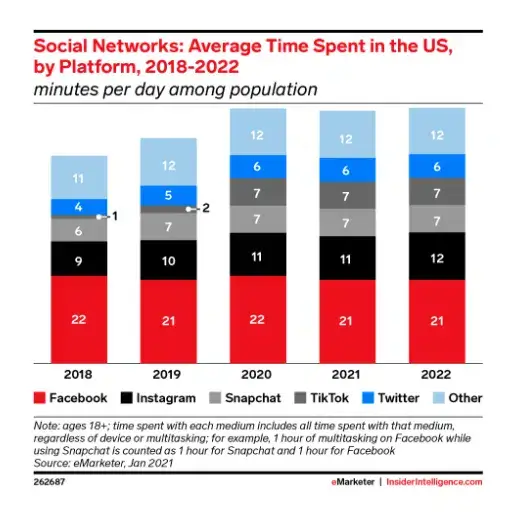
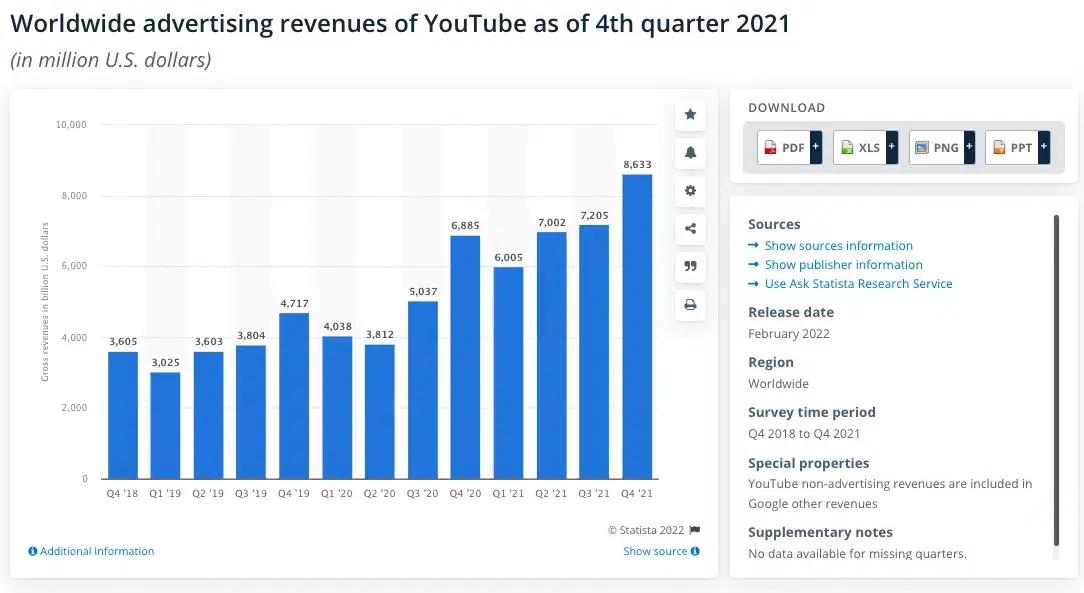
Speaker 0 00:04:57 Uh, but it is now, uh, for millennials, it's actually the third most used search engine behind, uh, Google and behind YouTube, which are two people don't think of YouTube as a, a search engine, but it is a really important advertising channel. But TikTok, for example, is a medium that I think a lot of churches should be exploring right now. It's something that a lot of your audience is using all the time. And so that's just one example. There's many others. Uh, but you really have to take a look at your, at your mediums and the places that you're act, the platforms that you're trying to work on. Yeah. And analyze that. I think 2023 is a good fresh time to take a look at that with fresh eyes.
Speaker 4 00:05:36 Yeah. And the word that's coming to mind is be fluid, right? Because of how much this, this changes. Um, there's some things that, uh, stand the test of time when it comes to advertising, uh, longer, uh, compared to other, uh, other ways to advertise. But you should always be ready to be fluid, I think, and make, make some changes. And I think, I think also it's safe to say that not everything out there is good to do, you know, for one church, you know, it may be that they, they have their niche with one form of advertising and then another with another church, with another form of advertising. Now, there are some things though, that I think every church should do, for sure, when it comes to advertising, but yeah, I think that's a good point. You make that, uh, being fluid there. So, yeah.
Speaker 0 00:06:20 No, that'll be helpful, I think.
Speaker 4 00:06:21 Yeah. Well, good. So next thing to make sure you do is do create a church website and use seo, uh, best practices. So that's one of the things that I think has been tried and true. You and I, when we started consulting and helping churches with all of this man back in 2005, 2006 I think is whenever I started, uh mm-hmm. <affirmative> at a church at that time, did TV commercials and just web design, uh, primarily, but, and one thing that still remains now, though, websites have drastically changed since then, <laugh> and the approach with them, that is still the thing that I think it's thing number one, uh, to make sure you get established is to get a good web website in place. Cuz still the majority of marketing is gonna funnel to your website. So you're kind of, uh, yeah, for, as the saying goes, you're putting the cart before the horse, and now I like how we're mentioning, you know, and use best SEO practices alongside of that because SEO, search Engine optimization, what that stands for is going to funnel people to your website. So when someone does a Google search, um mm-hmm. <affirmative> for churches near me or churches in Austin, Texas, the first thing that Google looks to send that person searching to is your website. Uh, there is, uh, if you're in that map pack, as we've talked about, uh, of the list of locations near them, there's a website button and a directions button. Uh, and so it's gonna, it's gonna funnel, uh, Google and other search engines are gonna funnel people to your website first and foremost. Yeah.
Speaker 0 00:08:00 Yeah. I, I think that I, I like that we include SEO as part of your strategy for advertising your website. I think that it's one of the most common misconceptions is that if I build a website and I do it the right way, then it'll just automatically start to get people to, to come onto it. Right? And this is not gonna happen that way. You have to be intentional about this, uh, in, it's, it's getting more and more competitive to get eyes onto your content. Now, I'll tell you this, there's lots of different ways to get people onto your website. So the way that you think of a website now, it's not an advertising platform in it of itself, it's the other things you do to get people onto your website. It is the, it is, like we've said for a long time, it's the front door to your church now.
Speaker 0 00:08:43 Almost everybody is gonna be on there before they show up for the first time. Yeah. Uh, so really the way you get people on there, there's lots of options. It could be through, if you're killer at social media and getting attention there, you can funnel people onto your website from there. We think that the lowest hanging fruit in most cases for churches is SEO, though. Uh, so you probably want to take a crack at search engine optimizing your website. Now, what that means, it's not just a technical thing. It's actually about creating content that lives on your site. And I guess that's what it all boils down to, is whether you're gonna try and get people on your site through TikTok videos or Facebook, uh, mastery or Instagram reels or whatever it would be, uh, or if you're trying to use SEO to do it, it's all about making content on one of those platforms, right?
Speaker 0 00:09:31 The reason why we like seo, uh, is because the, the content that you make there is what we would call much more evergreen. It's something that will stay for a long time. The lifespan of a TikTok video, well, yes, it can be found, uh, three, four months down the road. It doesn't have the kind of life that a sermon that's well SEO optimized will have on your website there. It'll be something that's valuable, just as valuable five years from now as it is right now today. So I think it's just a really big opportunity and some low hanging fruit there.
Speaker 4 00:10:03 Yeah, that's a good point there. So why don't you get the next one.
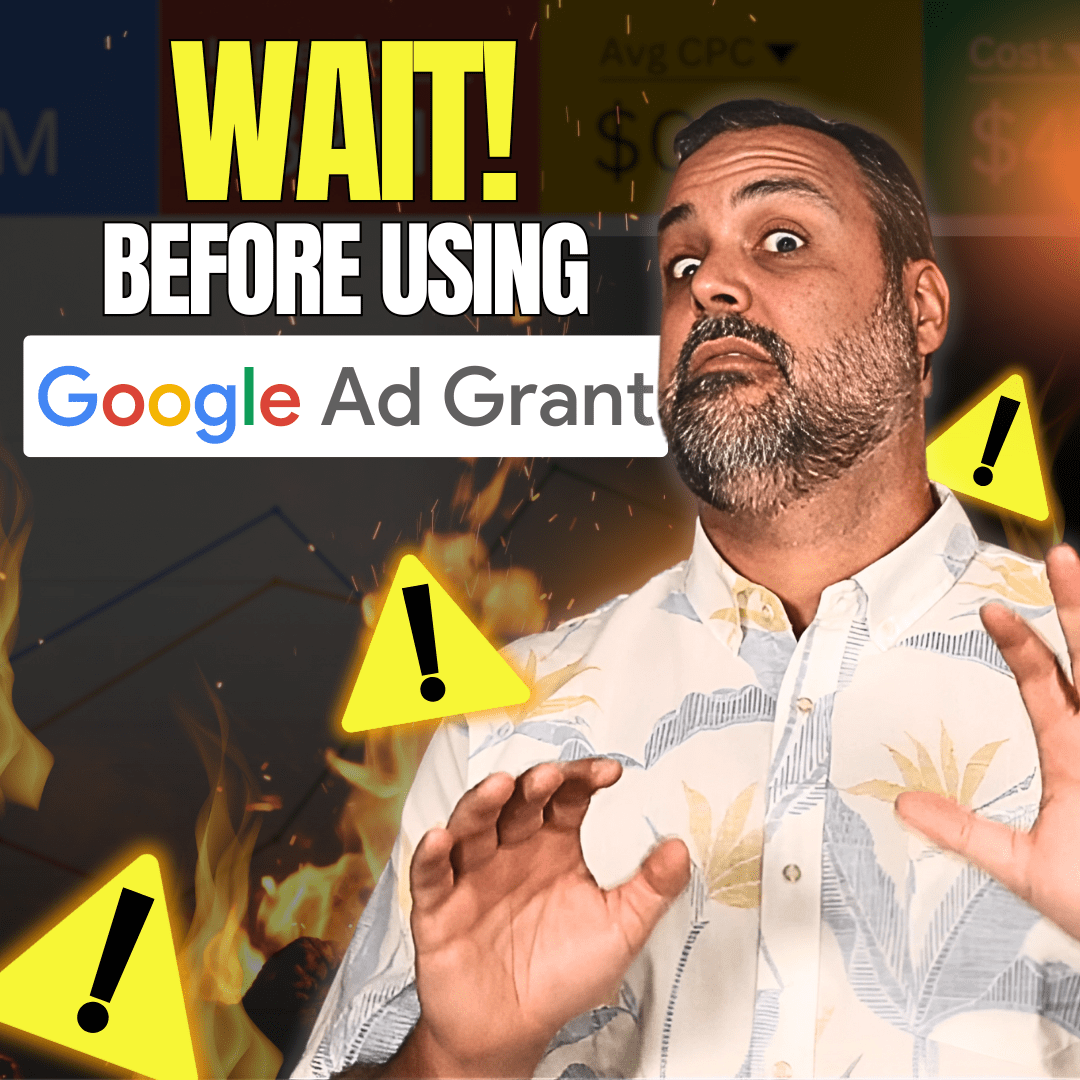
Speaker 0 00:10:06 Next one is, uh, take advantage of the Google Ad Grant. Uh, the Google Ad grant, we talk about that a lot here. Uh, this is something that is very low hanging fruit. Uh, for those of you that don't know, Google gives churches, uh, any nonprofit, but churches are included in that. Google gives them the opportunity to claim a $10,000 per month grant, uh, in money that can be used on their system for Google search ads. So the ads that come up when someone first gets onto a, a Google search, maybe they typed in churches near me, or Baptist churches in Nantucket or whatever they would type in, your ads will show up at the top, even above the map pack where they list kind of the Yeah. The closest or the most relevant search results there. So this is something that every church should take advantage of.
Speaker 0 00:10:56 It's not even a question of whether or not you can get it. The only real requirement is there's a few technical things on your website, but the biggest one that's the biggest hurdle is having a 5 0 1 <unk> <unk>. So actually being a nonprofit organization or being part of a parent organization that has a nonprofit. So if you're part of a denomination that, uh, you don't have your own 5 0 1 <unk> <unk> but you have it at a regional or denominational level, you can usually get it by submitting a letter from your denomination saying that you're a subsidiary. And Google will accept that as validation there. Yeah. So, but this is just such an easy low hanging fruit. You have to take advantage of it. Uh, we recommend having someone help you with it. That's a service we offer. Sure. Here, atri helping churches manage that Google grant. But it is really something that every church should be taking advantage of.
Speaker 4 00:11:45 Yeah. And it takes a lot of work, of course, to manage it. So you gotta count the cost there. But we believe every church really should be taking advantage of it because like you said, it's low hanging fruit and it's free. It's free. Yep. Marketing money. And we know that churches are focused on that. And that's actually a good, that's a good segue into the next one we want to cover here, is you do wanna also after you see good results or maximize things like the Google grant and free other, other free resources, social media, um, consider paid advertising. Uh, and paid advertising can be on social media. Uh, that's, uh, yeah, we know many churches now are trying to investigate and, and many churches have used for years, whether or not it's Facebook ads, Instagram, um, ads, and then, um, yeah. And there's a lot more other than that, but, you know, paid advertising has some really good benefits to it as well, because Yeah. You're paying for it and, and you will get some precedents, <laugh>, uh, and some more visibility when you pay, right? So,
Speaker 0 00:12:41 Yep. Yeah. I think just about average church should be doing some paid advertising on some of these social platforms. Uh, the easiest one is to do it on meta, which is Facebook and I Instagram. Right. Um, chances are you hit a pretty broad audience with that. There's a case to be made for, uh, putting ads on, uh, on my Twitter. You could make a case for doing it on TikTok some other channels as well. But I think these are the, I think the easiest way if you're not doing this yet, is to get onto meta, set up an account there. The great thing about their advertising platform is you can target such a specific demographic that is tailor-made just to people that would be good candidates to visit your church there. And I think a lot of times churches get hung up like, well, shouldn't I be targeting people that like, don't really know Jesus already and they're bad candidates for our church?
Speaker 0 00:13:32 Yeah. Well, I mean, I get what you're thinking with that. I know that it's about going to people that are unreached, and I understand that, but in most cases, you wanna reach, uh, p you wanna target people that are, you know, in the, the common age demographic within your church, and Yep. They speak the same language that the people of your church do, and they live within five miles of your church and some of these kinds of things that really lets you tailor your audience to get someone very specific there. So we love those pays, paid ads on that platform. But yeah, if your church isn't messing around with some paid advertising, I think it's probably time to start doing that.
Speaker 4 00:14:06 Yeah, it's a good point.
Speaker 0 00:14:07 Yeah. Good. Next one, uh, uh, last of the dues, uh, is, is important that you create great headlines, content and eye-catching visuals on all of your content there. So I can't express this enough. We've picked up over the years just how important getting these, like the, the structure part, right? The things that people see, like, let's use YouTube as an example. Um, if you are just putting your YouTube videos on there, your sermon videos every week, um, and you're using, let's say, like the same, maybe it's just your church logo as the main thumbnail, uh, and you're titling your messages like January 24th sermon Pastor Ed, you know, if that's the name of the, the sermon. Yeah. You know, if that's what you're doing, you are gonna get results from people that would already be looking for your sermon. So Right. Members of your church that were out of town, or people that needed to, to listen to what you said again before small group, that kind of stuff. Or
Speaker 4 00:15:06 That already love Pastor Ed. Yeah,
Speaker 0 00:15:08 Exactly. Yeah. So now <laugh>, if you are, if you're actually taking the time though to write a great headline, uh, so the ultimate guide to, uh, praying, uh, for healing, uh, in your life, you know, something like that. If you were to write a, a title like that, I know that's a, a big claim and you don't call it that in church. Yeah. But if you call it something like that, uh, that's something that people might actually be searching for. Yeah. And better yet, if you had a thumbnail that wasn't just your church logo, but a picture of Pastor Ed actually preaching this moment right. In, in a moment when he was really animated, uh, and then you have some words right next to it in the thumbnail that say, yeah, say always pray for this is what it says in big bold letters. Yeah. It's something that would grab someone's attention.
Speaker 0 00:15:55 And if your content in there, it actually is spelled out, it has a bunch of key words in it, and you write some of that content, or better yet you have it transcribed on your YouTube video, some of those kinds of things, well then you're gonna start to reach beyond just the people that are already looking for pastor ed sermons. Yeah. And they'll be looking for people, it, it'll be starting to catch people that, Hey, I need healing. Where do I start? How do I pray for healing? What is the, the bible have to say about that? Right. They're turning in those kinds of key terms. And then when they see the 12 results that come up for videos about praying for healing, they'll see that graphic that you made and say, well, this one looks really interesting. I'm gonna click on this one here. So a lot of this is just a way that you can enhance what you're already doing there. That's an example for YouTube. I think the same thing applies for blog posts, it applies for your social media posts. Absolutely. It applies to the TikTok real, uh, and the reels that you put out there, all that, um, like getting those structural pieces really. Right. Yeah. That's like half the battle in a lot of cases. Yeah. Anything to add to that? I
Speaker 4 00:16:57 Mean, well, yeah, cuz that's content that's of interest. I, I like to, when I consult with churches, I, I like to use that phrase that you want to have content that's of interest. People are interested in visuals that are interested in big catching headlines, visuals, those things. And, and, you know, getting back to a little bit on the SEO subject, you know, Google knows that's what's people are looking, people are looking for and searching for and clicking further and taking steps on line further with. So absolutely, you want to, you want to definitely have, I've just say, content that's of interest there, and that's gonna help you engage more visitors. So Yeah, there
Speaker 0 00:17:34 You go. Absolutely. It'll, it'll introduce you to people that don't know about your church already. Yeah. That's, that's what's going to give the algorithm the juice that you need to do those kinds of things,
Speaker 4 00:17:43 Which should always be a church's goal for sure. So that's it. Well, good. Why don't we kick off some things we don't want to do in church advertising. Um, so I like this first one, don't use a random approach <laugh> and don't Yeah. Don't just kind of, you know, uh, just be aim, wandering, aimless, uh, Lee through your, your advertising strategy. You wanna accidentally, uh, you want to actually sit down and have a strategic approach, you know, be intentional, understand the approach that you're gonna take. Now, some of this is trial and error when it comes to church advertising and some things may fail quickly. Most things in advertising, you wanna not just jump ship quickly on, you want to give them time, obviously, because there's work that be done in testing and, and time will will tell, as they say on what's effective. But you definitely don't want to just be random. You want to know, okay, what advertising is gonna work best for our church and, and what should be the goal with that? What do we, how do we measure what we're doing? Sit down and think through that and don't just, you know, sign up for something and not really know what it's, what it's doing. Yeah.
Speaker 0 00:18:51 You know, in, in my experience, I think most churches choose their advertising platforms and methods based on what is the other church that I think of? What are they doing? Right? Right. That's kind of how we, we generally choose that. And that actually is in many cases the worst place for you to be advertising because you have a built-in competitor. Not that we're really competitors, but a built-in competitor that's right there. Uh, and they're already on that platform. So, yeah, I think all things being equal, that's probably the one that you should look at last. Um, you know, there's probably some juice there because if other people are using it, a lot of times it makes sense to take a look at that. But, um, I think that that's one mistake that churches make. And the other one, I think, and what you're getting at with all this, Ian, is that the opposite of being kind of random and just kind of choosing and trying things out is actually being strategic.
Speaker 0 00:19:42 And here's the key is measuring, measuring everything. And that's the great thing about digital advertising is it is, it is night and day better at measurement than all the old forms of advertising that went before it. You know, they had these very strange methods like the, the Nielsen ratings for television commercials where they took a stab at how many people were watching, but they didn't really have any idea of that. And when you do a, uh, a direct mailer, well, you know how many houses it goes to, but it's, it's hard to really measure that. Or if you have a billboard
Speaker 4 00:20:13 No, I'm gonna show up at your church with the mailer in hand saying
Speaker 0 00:20:17 That <laugh>, it's hard to measure. Exactly. Yeah. Whereas with digital marketing, so whether it be social media ads or Google ads, or your, your website and just, uh, the SEO work you do there, you have the ability to measure, honestly, much more than any church has any business measuring. Yep. You don't need to measure everything that you can do, because the depth of what you can measure in Google Analytics or the Facebook or the Meta Ads platform, or on your website itself, uh, it's, it's so amazing. Like how many things, things you can actually look at there. You don't need to, you need to get into 10% of it, but you can actually look at the results and see what's working and make corrections and kind of manage it that way. So, yeah. Yeah. That's good. I think that's, uh, don't be random. Instead, I guess kind, we kind of gave a due is you gotta measure things instead anyway, so.
Speaker 0 00:21:02 Yep. Uh, that's that, uh, number two, uh, on the things not to do is don't set it and forget it. Um, this is something that frankly I think a lot of churches are guilty of, cuz I know I have been guilty of this is so, of course easy to just, if something is working to leave it, and I have found myself leaving ads on, like, on the Facebook platform. I've run some of the same ads in some cases for years because they continue to keep working. And so now if it is still working, um, yeah, which doesn't typically happen, usually it'll start to lose some juice because people have seen that same ad 97,000 times and they're like, okay, enough already kind of how we all feel about flow from progressive. Right. It's like, oh my gosh. Right. Why haven't they gotten the memo that Flo is, let us know in the comments if you like Flo, maybe I'm totally wrong on this, but she seems like the, the mascot for a company that I don't know anybody that actually likes her yet. They have stuck with her for like a decade at this point here. Now you're not a Flo fan, are you Ian?
Speaker 4 00:22:04 No, I'm more of a Mayhem fan, the guy that, uh, gets into all the accidents Yeah.
Speaker 0 00:22:08 With Allstate Mayhem. Okay.
Speaker 4 00:22:09 I like mayhem. So
Speaker 0 00:22:11 Yeah. Who's he's, Allstate is Mayhem, is that right? Yeah, it's, he's Allstate. He's some advertising. He's Allstate anything, Geico is good, but progressive, my goodness. But anyway, we've all seen these things so many times and it gets really played out over time. Yeah. So you can't just set it in, forget it with this kind of stuff. It can be easy to do that on social platforms, but if you don't watch, you'll see generally the way ads work is they'll, they'll start off kind of medium and then they'll reach their peak after a couple of weeks. Yeah. And then they'll start to trail off. And it can be a very long trail off in some cases. Uh, but, and the way we're measuring that is your actual number of clicks or number of conversions per dollar is kind of the way you measure that. Your cost per conversion is the best metric for that. But anyway, um, don't just set it in. Forget it.
Speaker 4 00:22:58 That's good. Good point. So next one is don't bait and switch folks. Um, yeah. Uh, people you're trying to reach and, and that's saying still applies. And actually I'd say, you know, that saying's been around a long time. You've heard people, uh, for, for the longest time now, you know, false advertising is, is mm-hmm. <affirmative>, definitely nothing that anyone considers good, but I would say even more so now en engaging millennials, gen Z and beyond, there's been so many studies that have shown that they greatly value authenticity. And if there's anything that is coming off as disingenuous or whatever, they're, they're greatly turned off by it. Yeah. So in any advertising, don't, you know, don't cast. Now there's a balance with all of this. Like, when we consult churches on web design and their branding and those types of things, we say, Hey, listen, you want to paint a picture of where you want to go, but it's really important to also communicate who you are now.
Speaker 4 00:23:54 Yeah. Uh, I kind of chuckling thinking about this when again, you and I mentioned how long we've been, uh, doing church, uh, web stuff and ad and marketing, you know, back in the day, uh, back in, I would say 2005 to 2008, you would see on so many church websites, just these stock photos of shiny happy people and people that, uh, and and it was so funny, we would joke about it cuz we'd see the same family on numerous church websites out there. Yeah. And then one time I was like, yeah, that, you know, that family's on, they go to that church in, in Austin, Texas, and then they go to that church in Milwaukee. They're
Speaker 0 00:24:33 Real
Speaker 4 00:24:33 Church hoppers. They're Yeah. Real Yeah. From state to state, and then all of a sudden you'd see them on the wall at Walmart, uh, in a stock photo. So stock photo is just one example of Yeah. Uh, false advertising and in a, well, in a way, you can get away with some sometimes, but I, I know that real actual photography, that's just one, again, one example, uh, is comp, you know, having real authentic, but I think it's also, you know, in, in anything that you're promoting with marketing and advertising, you know, making sure that the content you're putting out there, it, it accurately represents your church so that when someone does come, you don't want them to feel bait and switched. Uh, case in point here. So.
Speaker 0 00:25:15 Yeah. I gotcha. Um, yeah, o on stock photography, one quick comment on that. I, I think that that's something that is tempting because it looks better in most cases than your photography. Yeah. But people can sniff it out a mile away. So, um, there was a time where like it was maybe, you know, if you absolutely had to, you could, but I, I just want to come out and say, just don't do it. Like, just, yeah. Um, it might cost you a couple hundred bucks to have a photographer come and take shots of your church, uh, and, uh, uh, a service that happens there, catching people in the act, living out the values of your church is what you're looking for. But yeah. Um, it we're, we're past that time. Um, yeah. Photography is something that is very valuable. You'll use every one of those images on social media platforms, it'll be on your website.
Speaker 0 00:26:01 So make the investment in that, uh, and it'll be well worth your time. I think so, um, also I guess about what I see as far as bait and switch most often, uh, is it's the church that, like you were saying, they, they, they want to be something that they're not. Yeah. But they lean too heavily into that, so Right. Most often it's something where it'll be an older church, um, where they really want to finally break that barrier and reach some young families again. Yep. And they're just not doing it, but they have like two young families, and so they take lots of pictures of those two young families and all of the website is full of them, and then someone comes and visits and they see, see all kinds of gray hair and they're Yeah. You know, it's just not what they expected.
Speaker 0 00:26:46 Uh, so it's not, nothing wrong with that. Um, there's nothing wrong with churches that are, uh, aging or older. Um, but I just, I see that a lot. I see that with predominantly white churches that want to appear more multicultural. Uh, and so they have one person of color in their church, and so he's in all the photos, and so they'll try to get that's, that's an example of kind of that bait and switch. Yeah. It's, I I totally get it. I get the kind of the, the tension that's there and we can, we can aim for towards where we're going, but we can't do it to the point where it becomes misleading to people. Yeah. Where they'll look around and say, this is not what I expected at all. Because that's a surefire way for them to not come back to your church. Uh, so that's exactly right. In the end, that's not what we want. So,
Speaker 4 00:27:26 No.
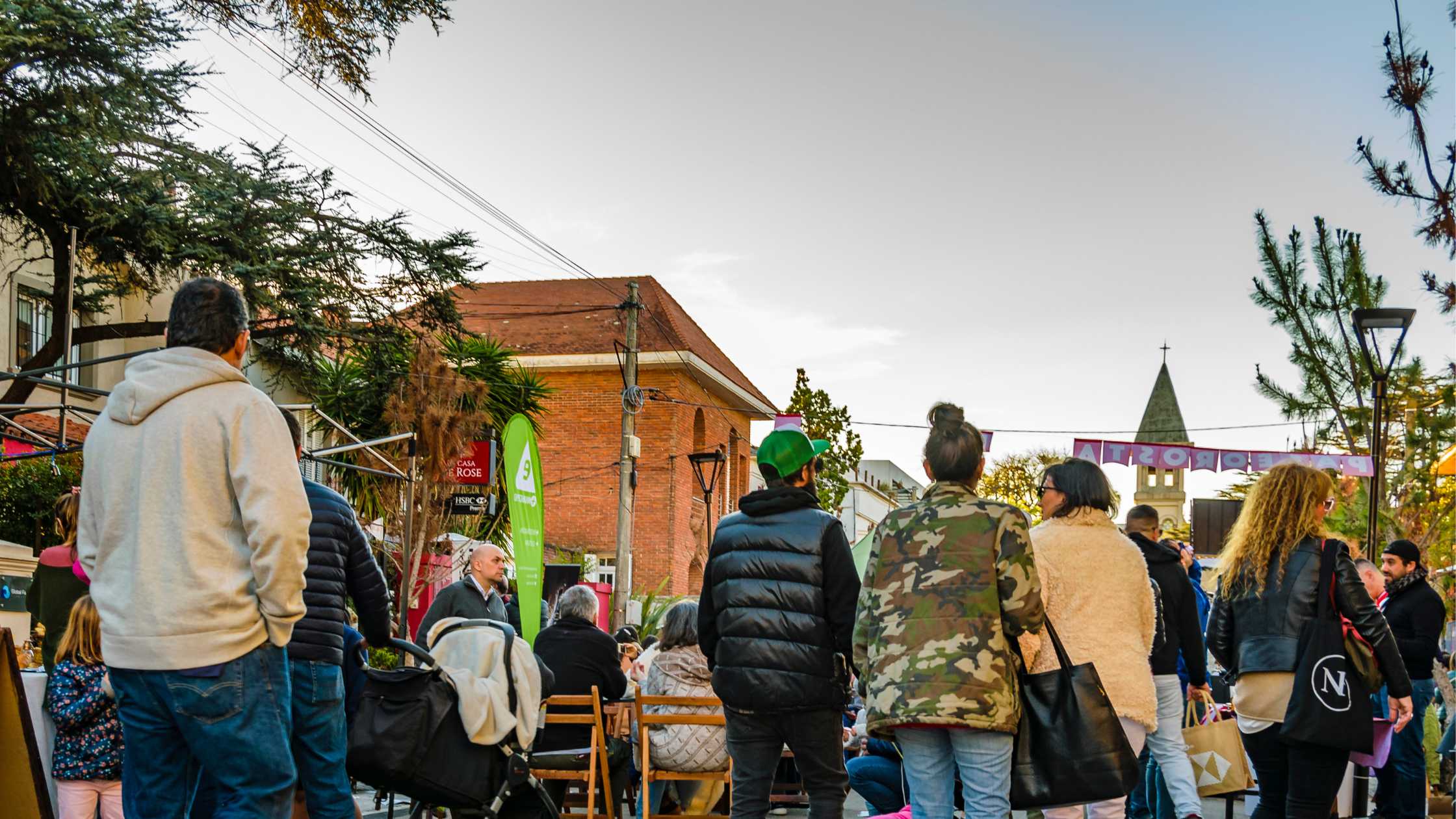
Speaker 0 00:27:26 Anyway, that's about that. Uh, next one, don't forget your local community. Uh, do not forget your local, uh, community right there. I think there's so many opportunities in your community that are advertising, even though they oftentimes don't really cost you anything. It's Yeah. Things like service projects or we just got through Thanksgiving, right? So, right. Uh, almost every city in this country has some kind of a large Thanksgiving outreach, whether it's hosted by churches or hosted by a Parachurch organization Right. Or a second organization. There's nothing wrong with jumping on that and being a part of that in your community. Hey, where t-shirts from your church, uh, if you want, and kind of get the word out there that way about it. But yeah, I think most local communities have opportunities like these. Um, just in my town here, uh, this last week we had our annual Christmas parade, uh, and all kinds of local companies march in the Christmas parade.
Speaker 0 00:28:24 Uh, and the Mormons walked in it, and our church walks in it too. So we have a whole thing. And you know, we, we try to give the best candy at the entire parade. We throw out the kids, it's a small thing. We, we walk for a mile down our street here and just kind of connect with people and they get to see faces and just that kind of stuff. It brings awareness. And nearly that is advertising. That is marketing. That's outreach. That's what you're doing with that. So there's lots of opportunities for churches in that, I think.
Speaker 4 00:28:49 Absolutely. And it's also good to be known as the church with the best candy that, uh, can't hurt you. So, but, uh, absolutely <laugh>, well last and most certainly not least, don't do it alone. Don't try to do it all alone. Um, you know, we can't forget too that our church members are good advertisers for us and ambassadors for us. Now, again, the better way to put that we know, uh, in ministry is that, you know, they are your witnesses. They're your disciplers. They should be, uh, after all Jesus said, go and tell everyone, you know, he calls his church to, uh, to go, you know, spread the great commission, spread the word, and to, to love on others. And also when we're talking about these advertising strategies like, you know, shareable posts, that's a, that's a good one. So, you know, yeah. With anything that you're putting on social media or on, on your website, make that shareable, you know mm-hmm. <affirmative> <affirmative>, invite your members to also be a part of, this is probably the better way to put it. Whatever advertising strategies you have, while not every member will be able to be directly involved in everything, invite them to be a part of, of that and be behind that. It's good for your members to know what you're doing with, with marketing so that they, when they're inviting, they, they, they are under the, the same kind of banner and vision of, and strategy of what you're doing. So.
Speaker 0 00:30:07 Yep. Um, I, I would just say for our weary pastors out there, we just gave you nine things so far, and this is the 10th one. Yeah. Um, it might feel like it's overwhelming, right. Especially here. Yeah. I don't know when you're watching this, but we're filming this just before Christmas and, um, you know, it's probably something that, it feels like one more thing and that the main point here is don't do it alone. Yeah. This is not something just for you to do. We need to, we need people around us because this is a whole category of ministry that hardly existed 15 years ago, right? Yeah. Like we didn't, back when I got out of Bible college there, there weren't enormous video teams at large churches and content teams and Yeah. Social media teams, I, I don't know if people are aware of this, but like, uh, uh, larger churches, it's not uncommon for them to have 10 people working on video stuff and five people managing social media and three or four people doing content writing.
Speaker 0 00:31:03 And this is something that larger churches really tend to invest in. And so for some reason we think, well, I'm the pastor of this church, so Yeah. The video editing and the social media and the content writing, I have a small church that all has to fall on me. It doesn't. Yeah. You have people within your church that probably have something, they're probably more skilled than you are at at least one of those areas. Yeah. And so you need to release some of that and build a team around this. And I think this is really where you're gonna make it all happen. So Yeah. Yeah. Have the courage to not go it alone. Uh, bring a team around you to help you with it.
Speaker 4 00:31:35 That's it. That's it. We can also help.
Speaker 0 00:31:37 Yeah. <laugh> absolutely. We'd be happy to be part of your team as well. That's, that's really what we're here for is for churches that do need to outsource some of these kinds of things. Yeah. These advertising things, whether it, uh, be, uh, search engine optimization related stuff, or Google Grant or website development, we're happy to help. Uh, even if we could just point you in the right direction, um, we'd love to just have a chat there. You don't have to work with us. We can help you, uh, and guide you. We'd love to have a conversation. Uh, we have a free website analysis, which is kind of our starting point for most organizations. We'll take a look at your website, which includes how you're doing on, uh, local searches and how you're doing for the grant. And we include all those things in that and give you a score. You don't have any obligation to work with us on that, right. But we're happy to give that to you. And it kind of gives you marching orders on That's
Speaker 4 00:32:24 Exactly what I was about to say.
Speaker 0 00:32:25 Yeah. Here's a game plan on how your church can take your advertising to the next level. So I hope you'll take us up on that. There's a link on our site, it's all over the place. Uh, just click where you see website analysis. We'd be happy to get that for you there. Uh, and I wanna say thank you also for being a part of our reach Right. Family. If this has been a helpful episode for you, it would mean a lot to us if you would rate, review, subscribe, like, comment, uh, the comment again, what do you think of flow? That's the question we want answered this week here. That's right. Flow from Progressive. Uh, are you a fan? Do you get it? Uh, why are they still doing it? Let us know in the comments. Thanks guys for being a part of the reach ride family, and we'll catch you next week. See you. For a lot of churches, advertising is kind of like a four letter word, but it doesn't have to be. In this conversation today, we're gonna talk about 10 dos and don'ts for church advertising. We hope this conversation helps your church reach more people and grow.