Episode Transcript
Speaker 0 00:00:00 A few short years ago, no church was really thinking about digital ministry, but doing ministry online has become more important than ever before. In today's episode, we share with you five pillars for an effective digital ministry for your church. We hope this conversation helps you reach more people and grow. This is the reach right podcast.
Speaker 1 00:00:23 You know how
Speaker 2 00:00:29 You're listening to the reach, right podcast, the show dedicated to helping pastors and church leaders reach people the right way, hosted by me, Thomas Costello, and with me as always as my co-host Ian Hyat, we're here to help your church see more visitors and grow.
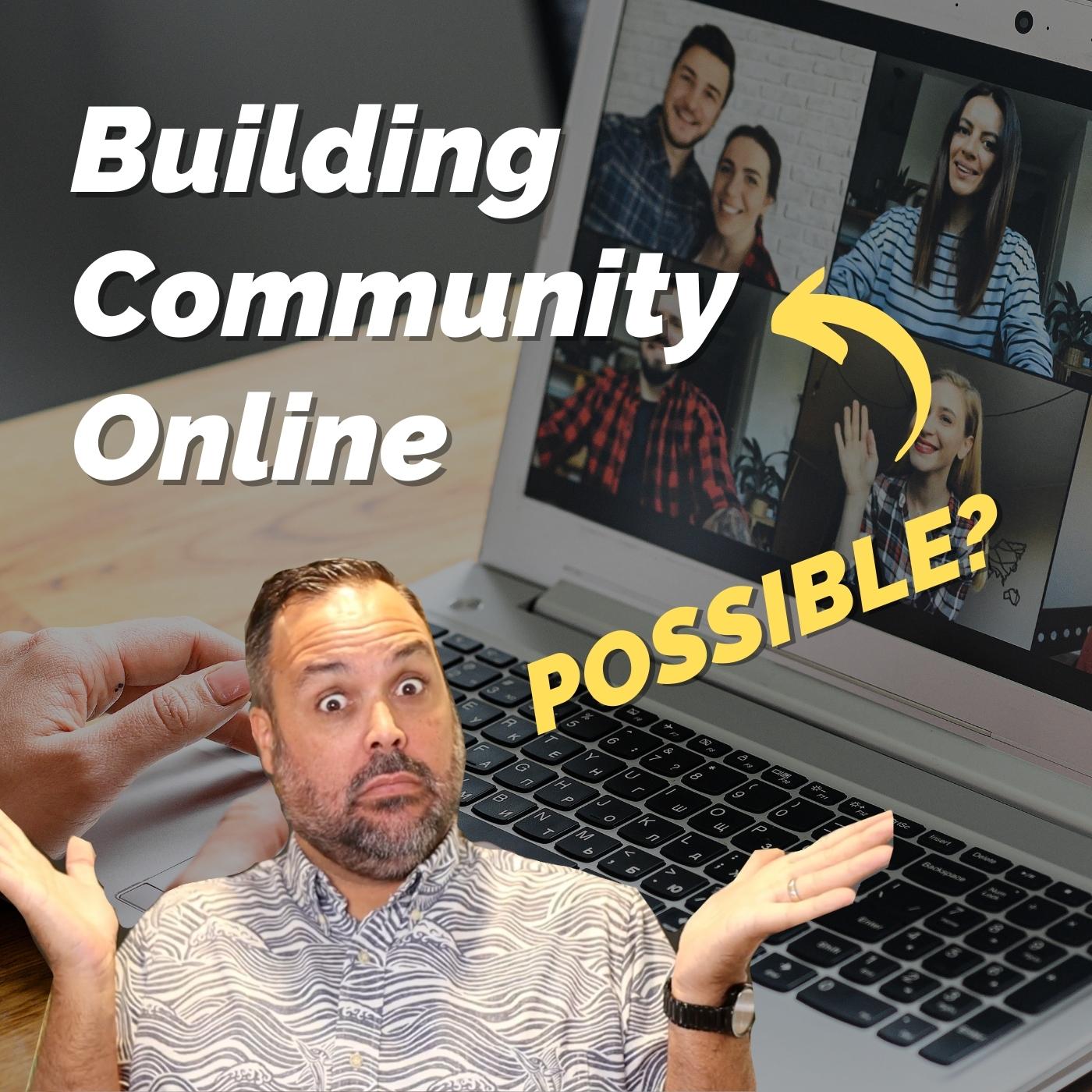
Speaker 0 00:00:56 Hey guys, welcome to the reach right podcast episode number 107. I am your host Thomas Costello. And with me as always is my co-host Ian Hyat what's up Thomas. Hey, not much man. Excited to talk to. We're gonna be talking about five digital ministry tips for transformational community online. I think it's gonna be a good conversation for us to have, this is a kind of a, a buzzword or I guess this digital ministry idea is something that five years ago, nobody was even really thinking about like what digital ministry looked like. Uh, you know, we, I think we understood the importance of digital marketing five years ago, but we didn't really think much about digital ministry in that time. And I, I think that's an, uh, there's really a distinction between the two it's an important thing for us to kind of dissect and talk through.
Speaker 0 00:01:42 Yeah, there is a difference. And I think this one is you're right. It's newer than what churches probably understand about digital marketing. And there is a different approach to this and the, the, the two are two different things. And I think that coming out of the pandemic, you know, as much as I don't like to use that word pandemic anymore, and I don't like talking about it and everyone's trying to be over it. <laugh>, uh, let's face it one positive is that digital ministry was something that was kind of, I would, it wasn't born out of the pandemic, but I think it was really, it was something that, uh, I think the light bulb went off and, and the need, the need for it was more realized with churches. Yeah. Yeah. And, and let's get this out there. So you and I we've talked about this on episodes before we are not proponents of yeah.
Speaker 0 00:02:25 Of, uh, the church pivoting to being digital only. Right. And when I say the church, I mean, with the capital C yeah. I think that, um, there is a place for people to do digital ministry online. Yeah. But if, uh, someone's only encounter with the gospel and with a church is only online. I don't think we're quite there yet. Maybe we'll get to a place where our ecclesiology works out and we think that that's, that that's okay to do. Yeah. I don't think you and I are there, uh, that someone probably needs to be a part of a local physical expression of church, I think today. Yeah. To really, uh, to, to really honor the requirement that we not forsake our gathering together, that we're called to in scripture. Yeah. But I think that every church has a really big opportunity before them to pursue some of these digital digital ministry opportunities, uh, because I think they can make a really big impact.
Speaker 0 00:03:15 So before we get into deep though, maybe we should really define what we're talking about when we say digital ministry, what we're not talking about and what we really do mean by this here. So yeah. Um, when we say digital ministry, we don't mean digital marketing. So the difference for me is digital marketing is something that a physical traditional church, uh, that we would use in order to help people go from having never heard of your church to people that would visit and become members of your church. So the steps that people take, so this can be digital marketing, like, uh, doing email ads, uh, or email campaigns or Facebook marketing or marketing on TikTok, YouTube, right. Doing all these kinds of things that we put together. Uh, we help churches do things with, uh, uh, the Google grant, right. So they can be found on search engines, Google with local search engine optimization, all of this falls into digital marketing.
Speaker 0 00:04:08 Right. But that's not really the theme today. When we're talking today, we're talking about what are some practical things that churches can do to actually do ministry in a digital form. So they would actually be able to disciple and help people grow right. And grow in their faith and take a step to be closer to Jesus, uh, having never set foot into their church, or maybe yeah. Only occasionally coming to their church, uh, and then having most of their growth taking place online. So that's really what we're trying to uncover. Do I have that right? Yeah, I think so. And I like that used the word disciple because I think that'll, you know, for pastors and ministry leaders kinda, uh, identify what we're talking about. Uh, you know, I, I think it's still new for many churches to think of discipleship. When it, when you think online, you think of digital marketing to attract visitors.
Speaker 0 00:04:56 Right. And then once they're there, you know, I think most pastors think, okay, that's when they're discipled. That is absolutely the case. Yeah. I think, you know, in person, discipleship is, uh, I think I personally believe that that's, there's an edge and advantage with that, but there's still, there's still ways to, um, digitally disciple people and, uh, see them grow in their faith. So I think you, you differentiated the two really good. Yeah. Yeah. No, I couldn't agree more so, well, I we've broken it down into like our, our five pillars, I guess, of digital ministry. Yeah. So we have five different ways. I, I think that if you're wanting to get started in this area as a church and you want to kind of take some of those next steps, we have five pillars you need to be considering as you do that. So I'll go ahead and take the first one.
Speaker 0 00:05:38 Yeah. And kind of switch off there. But the first one is you need to create a digital strategy. Yeah. Uh, that's the first step just with about anything you do in ministry is creating some kind of strategy, but before you just kind of jump in and I, I imagine that some of us have kind of jumped in. If you take a look at a typical church's Facebook account, there are digital discipleship tools happening on there for you're putting, uh, on your Instagram. You're maybe putting, uh, little sermon clips on there or on YouTube. You're, you're doing things to digitally disciple people. But I think really the first step before you go into this all the way is to take a step back and, and start to consider your strategy. So yeah, we have a few ways that churches can do that. Um, some of those ways is figuring out what your goals are.
Speaker 0 00:06:19 What do you, what, what is a win for our digital ministry? What do we want someone to do? If someone doesn't know Jesus, they encounter our digital ministry. What do we want them to look like by the end of that there? So that's one of them, uh, what are the different channels you're gonna use for digital delivery? That's part of your strategy, right? Are you gonna use Facebook or TikTok or both, or Instagram reels or YouTube, or are you gonna doing it mostly through email? Yeah. There's so many different ways that you can be doing this. Uh, but try to think through what some of those different, yeah. Those different routes or delivery mechanisms are gonna be. So, um, here's another one we encourage churches to ask is the why, why do you produce content? Why every time you want to produce some piece of digital content, you have to ask that question of why am I making this?
Speaker 0 00:07:05 And what do I want someone to do as a result of having that? Just like a good sermon. You didn't even know why you're preaching it and what you want someone to respond with. The same thing goes for everything you're doing digitally. Yeah. Um, answer questions. Like how often am I gonna produce content? Are we gonna do things, uh, is it gonna be weekly? Is it gonna be daily? Really, if you're gonna be successful in digital ministry, it has to be done multiple times per week. Uh, now I wanna say that that doesn't mean you have to do things every single day. Right? You can actually set things up to, you could work on it one day and have it publish, uh, on a schedule with a tool like buffer or hoot suite. You can push content out to multiple channels that way, but you can figure out how often you're gonna be producing content.
Speaker 0 00:07:46 And then, uh, here's probably the biggest question is who is gonna be responsible for this. Yeah. Who is gonna be the, the champion, the champion of our digital ministry. Because if you just kind of decide that we're gonna all do it and everybody on staff is gonna take their own little share and we're all gonna be equals in it. Well, that's a good recipe for nothing ever really happening or for it to drop off after a few weeks. So a champion has to be assigned, recruited. Yep. Uh, and made, ready to go on this. So anything to add to that, Ian? Not much. I would just say, I think it's good that you identified all those things. Cuz first you gotta sit down and you gotta obviously think through these things to know what you're gonna do. And I think we've seen for years and it's always a, it's a noble gesture and a goal that churches wanna do, you know, everything that they can.
Speaker 0 00:08:32 Right. Uh, and, and like we've seen, you know, we've seen small churches that have 12 different ministries listed out on their website and, and we really kind, they don't manage all those ministries. Well, you know, they're not running and it's, it's not that they don't have a vision for all those ministries, but they're simply not there. So I think, yeah. The one thing that I thought of when you're talking about all that, that might help is I could sit down and, and you do wanna think about, okay, what ministries do we have physically at the church? What, uh, as far as our digital ministry strategy, strategy's gonna come from these different ministries. Right. Uh, and, uh, and then like you said, the channels, the who, again, not every channel's gonna be right. You don't have to do newsletter Facebook plus this plus that, you know, there might be only a couple of things that are, that are right for you.
Speaker 0 00:09:18 So I think, you know, making sure you know, how, what you can do and how and the who and how to manage it. So that's good. That's good stuff. So good. Um, yeah. I'll get the next one. I think that's defining your target audience. Yeah. Um, you know, I think it's, you know, in ministry, we, we know we want everyone to be welcome to your church, you know, of course, no one, uh, we hope no church is out there turned down anyone who's, who is exploring faith. But when we're talking about, you know, digital ministry, it might be a certain kind of person or, um, you know, a certain demographic that just because of who you are as a church that you can serve well, so you need to say, you need to sit down and think through who is gonna be your target audience, who what, what, as far as content, you know, what your ministry provides uh who's that gonna serve best, you know?
Speaker 0 00:10:09 Yeah. And, and so I think that that is same thing. Like with digital marketing, you know, when you're thinking about who you're trying to, mm-hmm, <affirmative> bring in, this could be, you know, who you're bringing in, but who are we going to disciple? Yeah. Uh, you know, who are we best able to disciple? You know? So, yeah. That's good. Yeah. So I, I think the way to do that when you're trying to think through, um, who you're trying to reach, who your target is, I think it's helpful to build, I I'd kind of call it an avatar, right? Yeah. So you're building, uh, this person you're kind of thinking through who is this person that we think would be most blessed or most benefited by a digital ministry? Like what we offer, because the fact is that if we try to just say, Hey, this digital ministry is for everybody and we want to give it this broad appeal.
Speaker 0 00:10:57 It really is gonna wind up speaking to nobody. Right? Yeah. You need to really target who that is. So, um, because the way you would communicate to a 19 year old yeah. Uh, who lives in a city is different from someone who's a shut in who's 80 years old living in the country. Right. They have just, they speak a different language, different things will appeal to them. Different illustrations will make more sense. And so you could probably spend some time thinking through how old is the person, like the ideal person that we're able to reach online. Yeah. And what, where do they live and their background, right? Yeah. What, what language do they speak? You know, some of those things that are obvious, right? Like you, you, you really won't be able to reach everybody. I, you probably are gonna make content primarily in one language.
Speaker 0 00:11:36 Right. You'll you'll, if you're listening to this podcast, most of us are speaking English primarily. Right. So you're probably not gonna be able to reach, uh, Spanish speakers or Japanese speakers as effectively. Sure. Uh, if you're, if you're, uh, not really intentional about those kinds of things. So all that to say, spend some time to kind of craft that avatar, think through who that person is. You're trying to reach. I think it'll help you loads in the process here with that. Yeah. No, that's good. Awesome. Next one is develop a content calendar. Uh, this is really expensive, uh, really expensive. It's not expensive, actually. It's really relatively cheap to do that. It's really important that you develop a content calendar. Here's why, if you don't have a specific plan and I'd even call it like a commitment yeah. To produce content at these regular intervals, you will always compromise what your goal is, right?
Speaker 0 00:12:29 Yeah. So if you don't say, I am gonna put out content, uh, this many times a week on these channels and be very specific about it. It's gonna be very easy when you're busy, uh, or things are really crazy. Or you've had a death in the church and you have funerals to do or weddings to say, you know what? It's not that big of a deal. If you don't get content out today, if you have a commitment to yourself and a calendar that says we will do it at these times on these days. Yep. It will go a long way at helping you actually produce results and get the consistency that you want to want to have in this. So there's several things you want to cover in that. Like, so you want to, you wanna figure out what topics are we gonna cover and how often?
Speaker 0 00:13:07 So a lot of times, and we actually did a whole episode about this. We can link that. Um, if you're watching on YouTube in the card, that's gonna be up here. Uh, but a lot of times we find that it's best to do the same content on the same day of the week, every week. So, uh, if you have like, um, if you're gonna do sermon clips, right, or maybe you do a real or a TikTok video of your sermons, maybe you do that every single Monday. And you commit to making that go live on Mondays, or you need a couple days to get it produced. Maybe it's a Wednesday that, that you do that. So, yeah, but you have the same content that you do consistently on consistent days of the week, how frequently you're gonna release new content. Uh, what platforms are you gonna share these things on?
Speaker 0 00:13:48 You draw all of that out and it'll help you kind of be consistent. One thing I'll say is that all of the main, uh, content publishing tools out there, and I'm thinking about buffer and TSU, those are the two big ones. Those are tools that let you push out content online at regular intervals, they have really fantastic calendaring tools. So you know that every Tuesday at 6 0 5, we put out this, uh, this kind of a post and all you have to do is load it in there. So yeah. It helps you to kind of stay consistent. I'd recommend one of those kind of services. You could do something like buffer for about $10 a month, really it's money well spent to do something like that. It's good that you mentioned that because I think a lot of people, when they hear the word content, they think a lot of work <laugh> and they think absolutely they think of, uh, that, uh, and, uh, and it's really, there's super duper tools out there that, that push this stuff out there and schedule it and all of that, you know?
Speaker 0 00:14:42 And, and yeah, but I will say that the content is still hard work. Oh yes. So don't get product making content is hard enough by itself, right? You don't need to be there waiting by the phone, ready to push, send at a specific time every day. You, you need to be able to kind of let that do it itself and there's tools to make that happen. So you could put more time into creating really good quality content, which I think you're gonna talk about next. That's it. And that's the next thing is you need to create compelling content. Um, so, uh, what do we mean by this? I mean, people are in, uh, first thing that comes to mind for me, people are impatient online. You have to engage them, uh, people, you know, even online or impatient. So, you know, having compelling content that, that that's gonna be of interest to them, that's gonna serve them, meet them.
Speaker 0 00:15:29 Uh, you know, where they're at is very key. And these are things like obviously having appealing graphics, photos, videos, uh, we know that, you know, the saying has been that a picture speaks a thousand words will video even trumps that. So videos, yeah. Videos are huge now, uh, and you don't have to have incredib incredibly lengthy videos, or you don't have to, uh, you know, always have the most high end camera equipment to get effective, compelling content, video content, or even, uh, you know, uh, photos as well. So, um, a lot of these can be, we do recommend you, you obviously, if you can invest in better cameras and, and so on and so forth, you do that. But a lot, lot of compelling photos and video can be done from an iPhone or smartphone. So, and other than that, keeping it short again, people are impatient temp, attention spans, uh, you know, are dwindling even more these days.
Speaker 0 00:16:26 It seems like <laugh>, so pastors know that good and well when they're preaching as well. So, um, headlines that stick out, you know, headlines are huge, especially when you have text within your website or wherever this content is, social media having headlines that, that, uh, stand out. And, and then lastly, you know, is one of the things you wanna do is make it interactive, uh, and engaging and interactive, meaning someone there's a, something that they can do. They can respond whether or not it's, uh, you know, writing in filling out a form, chatting, uh, you know, all of those different things that needs to be very interactive. So, yeah, yeah. Yeah. I mean, so if you're, if you don't create good content, this is all a, a, a waste of time, like, cuz you know, there's so much content that people are flooded with all the time, every single day.
Speaker 0 00:17:15 Yeah. That if you're not really putting the effort in behind this and, and hear me in this, I'm not saying expensive content or it doesn't need to always be the slickest video production. Right. But if you're not actually putting the thought in and creating this content and investing in it, it's probably not gonna be worth your time to even be doing this stuff here. Yeah. So, um, I will say that smartphones today are off the charts in the ability, uh, to create good video content. Yeah. Like the tools that are available on TikTok. I know, uh, just kind of from the numbers, most of our audience doesn't create TikTok videos, maybe. Yeah. A good chunk of us are on TikTok. I know we do it for, for reach right here. We, yeah. We create TikTok videos on there, but just the tools you have in there or in Instagram reels, the things you can, the video content you can create in a matter of minutes.
Speaker 0 00:18:05 Uh, it is things that would've taken days just a few years ago, right? Yeah. So it's something that, that the tools you have at your disposal for free are right there. You can create content. But the, the main thing I was saying is not expensive, but it takes some real thought and some work behind it. That's what we're trying to encourage you towards. So that's it. Um, last thing, fifth pillar and final one is, and you were kind of hitting on this is, you said make it interactive and engaging. Yeah. Well this is the last one is encourage engagement. That's part of the, the pillar is you have to, it, it all goes around in encouraging engagement online. There's a few reasons for this number one is the more engagement you see online, the more widely broadcast your messages will be. So yep. Um, every single platform, whether it be Facebook or TikTok or Instagram or YouTube, if they see people engaging with your content, they will show your content to more people.
Speaker 0 00:18:59 Uh, those engagements look like on, on TikTok or on Instagram reels. It's how long are people watching this video? And then how many people follow you and how many people click the like button. But the chief one is how long are people watching this same thing goes for YouTube. Yeah. If people are watching the first four seconds of your reel or your TikTok, and then they click off every time TikTok is gonna start to say, well, you know what, this must not be a very good video. Let's stop showing it so much. Yeah. But if people are watching it for the full 60 seconds on a reel, uh, and then they keep watching it after that, they wanna watch it three times, Instagram is gonna start to say, well, you know what? This content is obviously really engaging. They'll stay on our platform longer. If we keep showing this content, let's show this to more and more people.
Speaker 0 00:19:46 So there's an algorithmic reason as to why we need to encourage engagement. And then there's just kind of a spiritual reason if, if you're just making content and nobody's engaging with it, you're just wasting your time. There's right. If no, one's actually, uh, getting anything from it or watching it or taking any kind of a next step, they're not taking that next step in discipleship. So we're just kind of losing our audience in that way. And it's, it's not really benefiting anybody, anything. Yeah. This brings to mind, uh, we saw, um, well, one of many articles, um, Kerry Newk who comes to mind, there's others out there that have, have used this word engagement has becoming more important with digital marketing and ministry. And also that, that being a metric, um, in addition to tracking just physical attendance at your church, you know, how many average attendance weekly, how many folks are coming, this word engagement has become bigger over the last few years.
Speaker 0 00:20:44 Again, the pandemic kind of accelerated it to keep people engaged online. So yeah, I would say this too, doing all of these things we've talked about here today, um, tracking all of this and, and that's a whole nother podcast, uh, you know, yeah. Tracking metrics and all of that, but this word engagement, I think is a good takeaway. Uh, as we're closing this podcast out to know that keeping people engaged is going to disciple them and, and keep and help their discipleship, their spiritual journey. So yeah, it really does make a big deal on both ends on the algorithm and on people's actual lives engagement really has become king. So yeah. Yeah. I hope that, uh, that's something that's a sticking, uh, piece for people as they, they consider some of this here. So we just wanna encourage you guys. I think this is a huge opportunity for the church going forward.
Speaker 0 00:21:32 There is no doubt in my mind that by the year 2030, just to choose kind of an arbitrary date in the future eight years from now, people will be engaging and there'll be more digital ministry taking place than there is today that this is not, so that's gonna be going away. We can't just kind of cross our fingers and say, let's just hope that all this digital stuff goes away and we go back to exclusively in person discipleship. Yeah. That is not gonna happen. Nope. Um, so, uh, I, I really think this is something that we should be at a minimum considering and starting to, to kind of dip our toe into the water on these things here. I think it represents one of the greatest opportunities that the church has in front of it. Yeah. It is really the way that we can fulfill that great commission and going into all the world.
Speaker 0 00:22:15 Yeah. Uh, digital ministry really allows that more than it's ever been allowed before. So hopefully this conversation's been helpful to you in kind of dipping your toe into the water on this stuff here. So if it has, uh, it would mean the world to us. If you would rate, review, subscribe, give us a comment. Watch till the end, because again, the algorithm likes when you stick around on these things. Yeah. Uh, so, but do all that stuff. It really helps us to get the word out there and get this podcast out to more people. Uh, thank you guys so much for being a part of our reach, right. Family. And we hope to catch you next week.
Speaker 2 00:22:47 Thanks for listening to the reach right podcast. We hope this episode will help you reach people the right way, looking for more resources for your church. Check us out online and reach, write studios.com. If this episode has been helpful to you, it would mean the world to us. If you would rate, review and subscribe on iTunes or wherever you get your podcasts. Thanks again for listening. And we'll see you next week.
Speaker 3 00:23:13 Get ready to get boom
Speaker 4 00:23:16 Gig.